





About the organization
The organization responsible for the Romanceiros do Itanhy project is the Institute for Research in Technology and Innovation (IPTI), now called The Human Project (THP), an initiative dedicated to the development of social technologies aimed at promoting human development in territories marked by social vulnerabilities. Its work is based on the integration of education, culture, community development, and strengthening of local capacities, with the purpose of creating sustainable solutions to expand opportunities for learning, expression, and protagonism of children, adolescents, and communities.
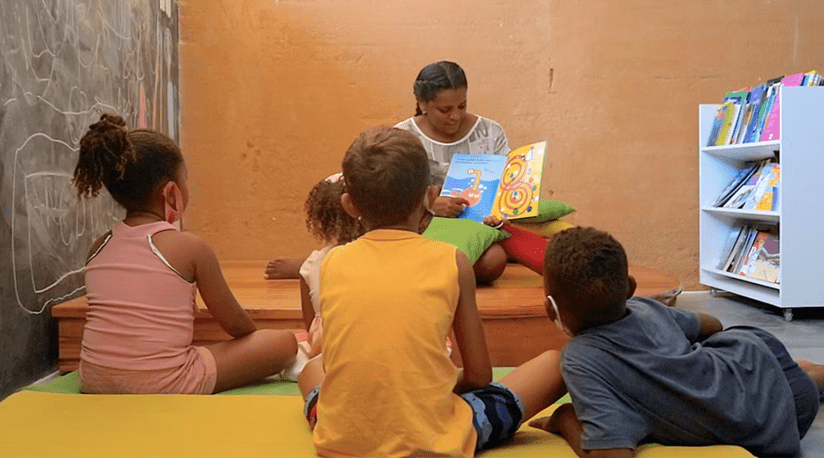
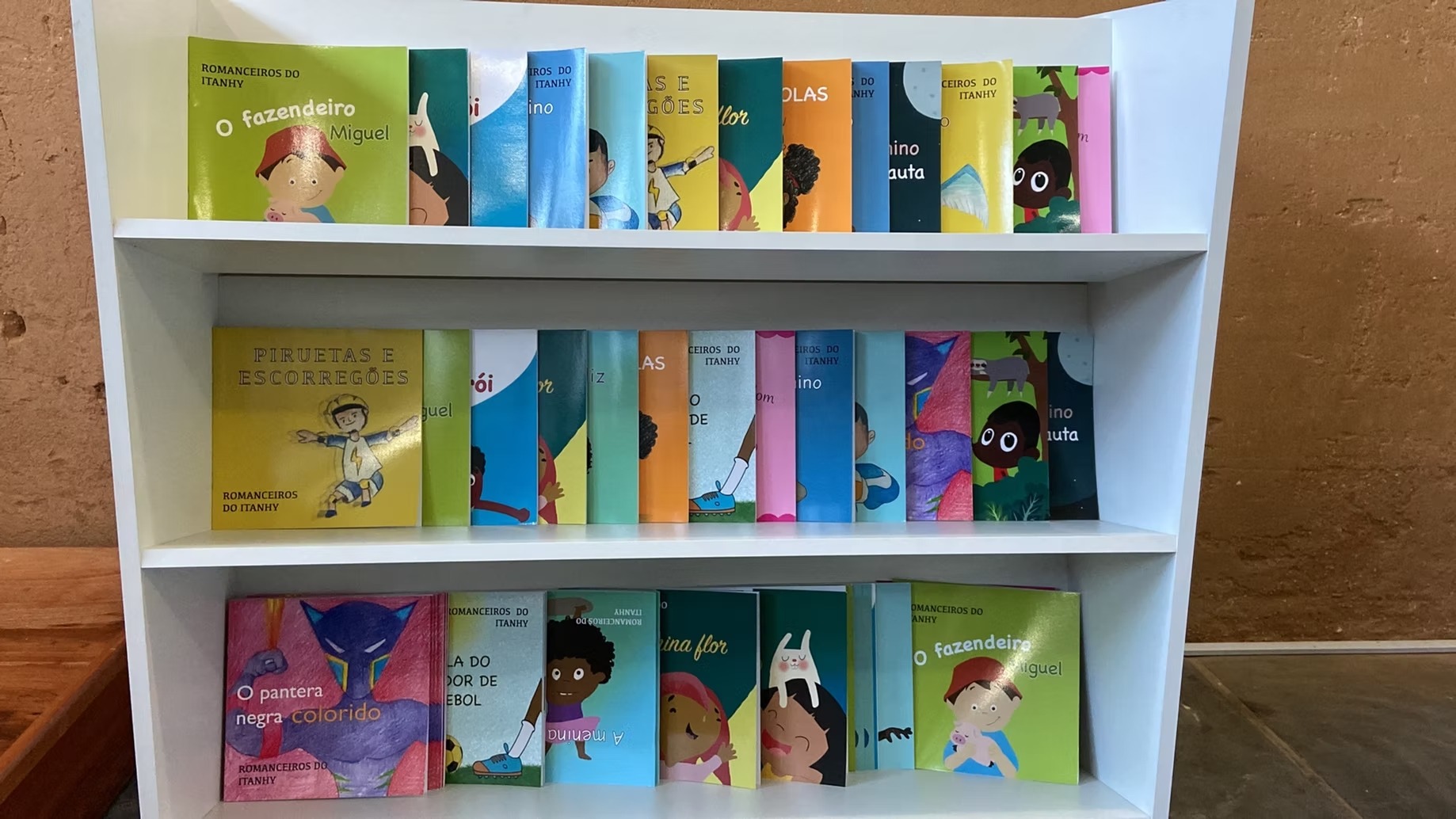
In this context, the Romanceiros do Itanhy Social Technology emerged in 2017, designed to stimulate the literary and artistic expression of adolescents in the municipality of Santa Luzia do Itanhy through the production of narratives, publication of books, and valorization of local culture. As the methodology matured, the project began to include children as well, incorporating approaches focused on comprehensive early childhood development, consolidating itself as an initiative that articulates creativity, participation, inclusion, territorial belonging, and social transformation.
Socioeconomic context
Romanceiros do Itanhy is developed in the village of Pedra Furada, in the municipality of Santa Luzia do Itanhy, in southern Sergipe, a territory marked by high socioeconomic vulnerability. According to the 2022 Census, the municipality has approximately 13,616 inhabitants, of whom approximately 78% live in rural areas, in an economic context strongly linked to artisanal fishing and subsistence agriculture. According to the race/color declaration, 69% of the municipality’s population is brown, 15% black, and 14% white. The declared quilombola population is 4,647 people. In March 2025, Santa Luzia do Itanhy registered 3,172 families benefiting from the Bolsa Família Program (Ministry of Social Development, 2025), data that reinforces the presence of persistent situations of poverty and social fragility. At the same time, it is a territory with a strong historical and cultural heritage, expressed in manifestations such as Reisado and Samba de Coco, which constitute important references of identity and community belonging. It is in this scenario that Romanceiros do Itanhy operates, responding to challenges directly related to its field of action—education, literary expression, children’s emotional health, belonging, and cultural valorization—by strengthening orality, creativity, self-esteem, identity, and community bonds among children and adolescents, in a context where poverty also affects prospects for full development and confidence in the future.
Project objective
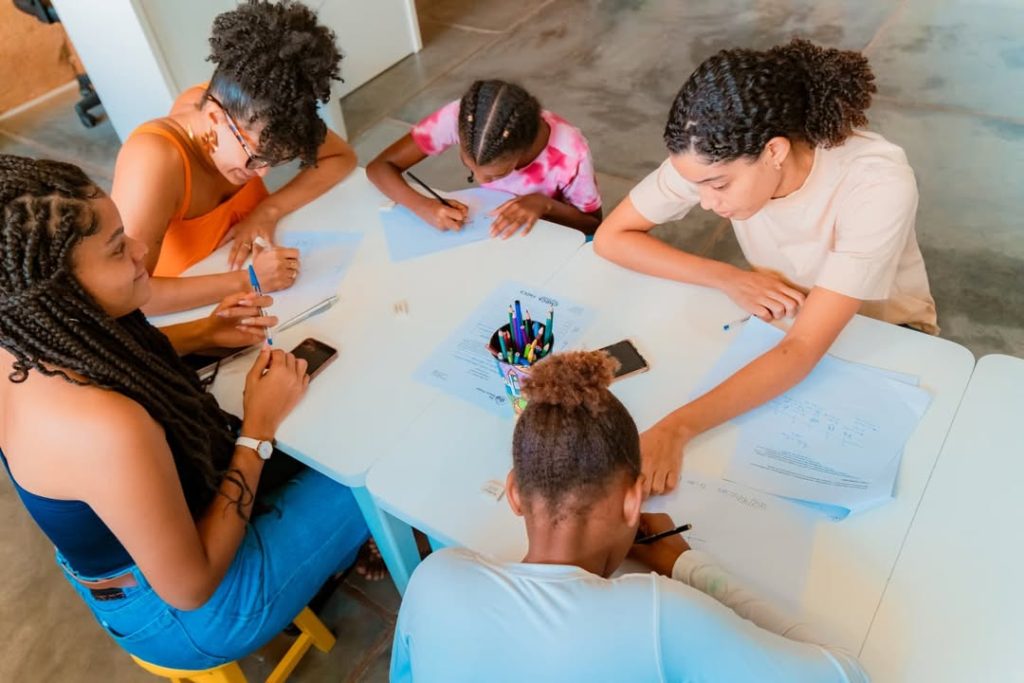
Expand children’s and adolescents’ access to literature, artistic production, and narrative creativity, strengthening their learning, expression, and comprehensive development through storytelling and thematic workshops for creative writing. The initiative seeks to continue working with children aged 4 to 10 and, at the same time, resume and consolidate adolescent participation, forming a core of replicators capable of acting as co-managers of literary and cultural actions in the communities and schools of Santa Luzia do Itanhy. To this end, the project articulates the creation of playful materials, the implementation of artistic and literary workshops and events, the systematization of a digital collection of the works produced, and the expansion of the methodology to new villages, focusing on cultural development, youth protagonism, and the valorization of artistic expression as a tool for formation and community belonging.
Partners
Dialogue with public policies
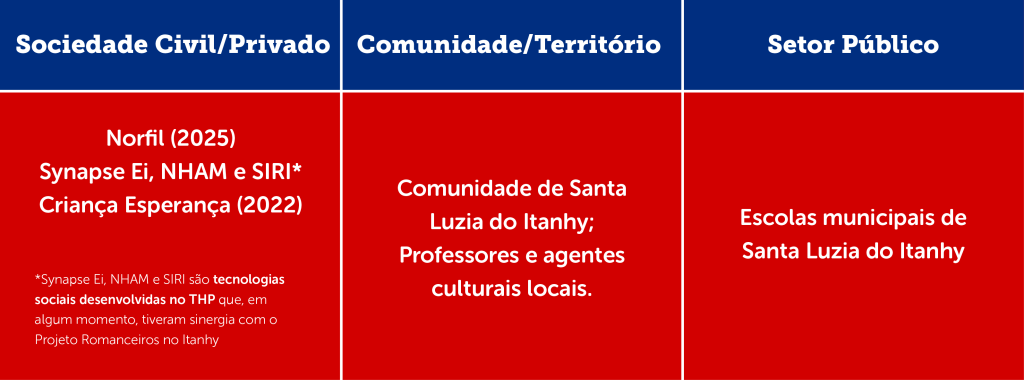
Romanceiros do Itanhy develops actions in dialogue primarily with public education policy, by operating in communities and schools in the municipality of Santa Luzia do Itanhy, mobilizing children, adolescents, families, management teams, and teachers around workshops, literary events, and formative processes focused on artistic expression, orality, creativity, and comprehensive development. This dialogue is justified because the initiative operates in direct interface with the public school network, depending on coordination with the calendar and school management to ensure participation and continuity. The project also articulates with other social technologies present in the territory, such as methodological integration with Synapse Early Childhood Education (Synapse Ei), to strengthen non-cognitive skills, expand the pedagogical potential of activities with children, and contribute to the qualification of educational and cultural practices in the municipality.