







Promoting the mental health of adolescents and young people also involves creating spaces for listening, strengthening bonds, expanding access to information, and ensuring that youth themselves participate in decisions and the construction of solutions that affect their lives.
It is from this perspective that Infinis – Future is Healthy Childhood Institute supported the implementation of ECOA, a training path developed by the Association for Emotional Health (ASEc+) to combine knowledge on mental health promotion, social participation, and advocacy.
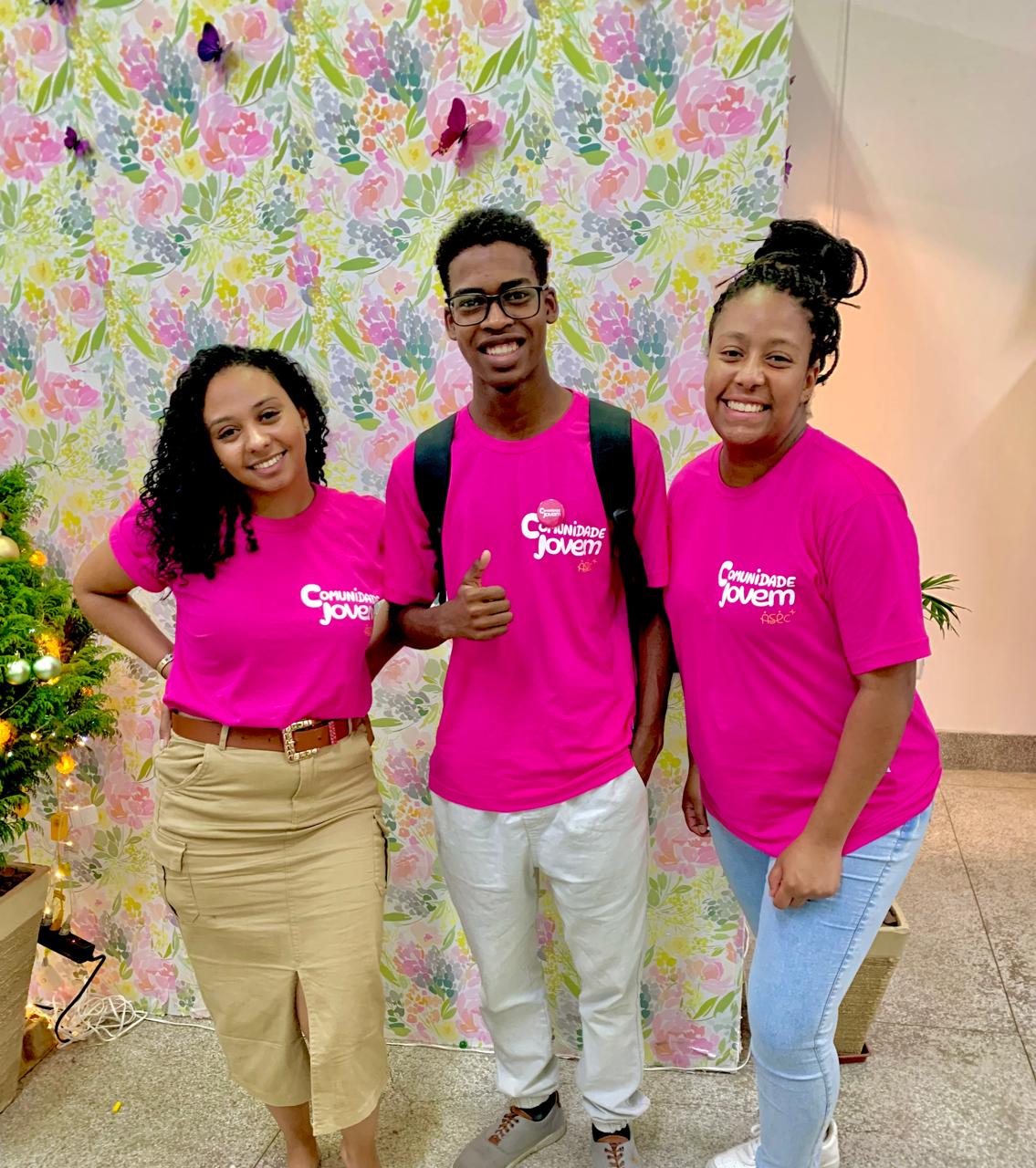
The initiative is part of the ASEc+ Youth Community, created in 2023 to offer youth a welcoming and emotionally safe environment for exchanging knowledge, strengthening bonds, and collaborative peer-to-peer construction. Since its launch, the community’s various actions have already reached more than 30,000 young people from different regions of Brazil.
Mental health, participation, and citizenship
Conducted between 2025 and 2026, ECOA was aimed at young people aged 18 to 29 in the State of São Paulo interested in working in the field of mental health. In total, 22 young people participated in the training, which combined ASEc+’s 20 years of experience in mental health promotion with tools for political organization and social advocacy.
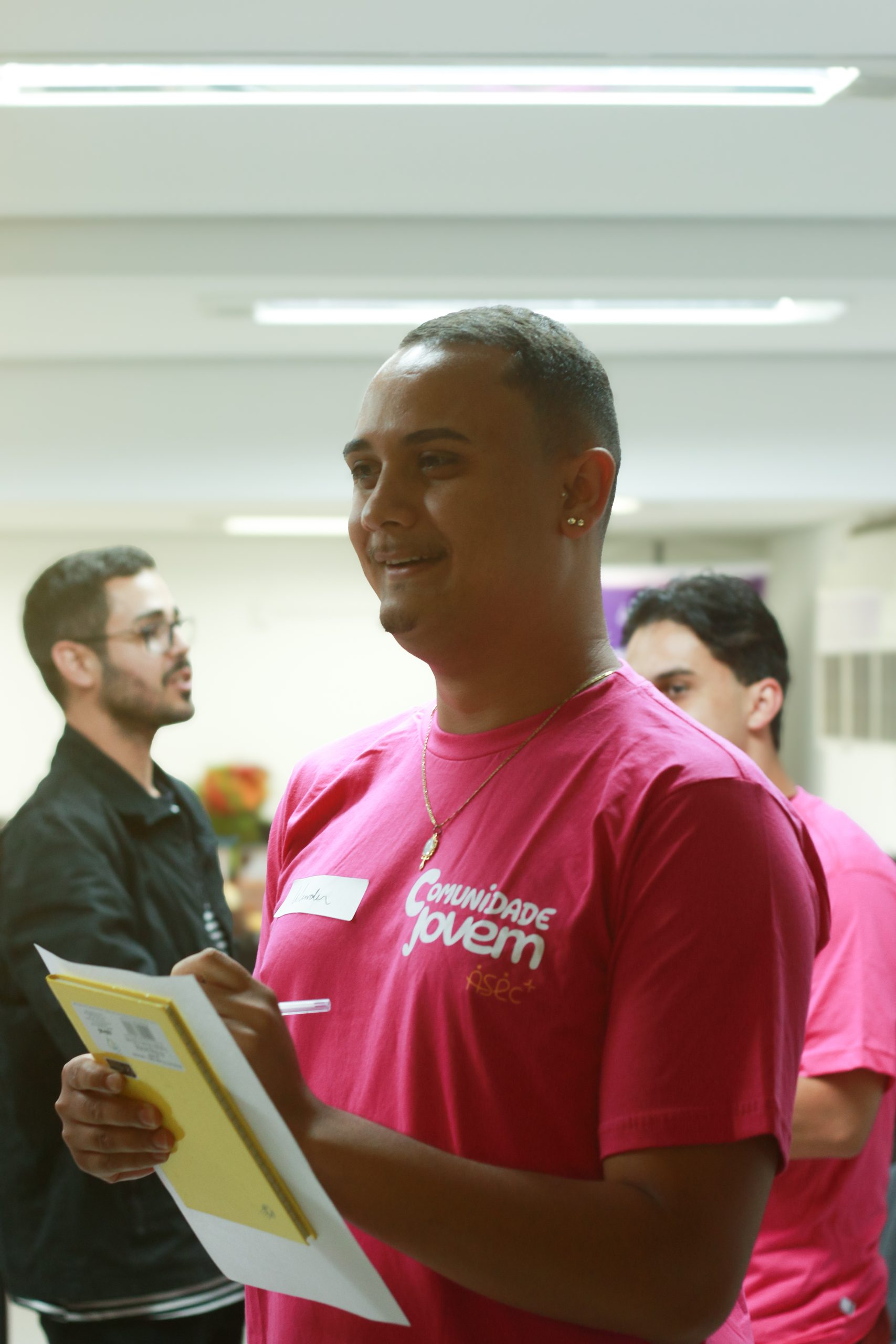
Throughout the journey, participants had weekly meetings on mental health promotion, the functioning of public services, data analysis, and advocacy strategies. They also had specialized mentoring and moments of self-management to transform the knowledge acquired into concrete actions.
As part of the initiative, audiovisual content and a digital booklet on mental health promotion in school contexts were produced. These deliverables gave rise to a digital campaign that seeks to broaden the debate on mental health in schools, strengthen networks, and stimulate youth empowerment.
Often, it is civil society that mobilizes to ensure the effectiveness of Law 14.819/2024 (which establishes the National Policy for Psychosocial Care in School Communities). Above all, we must look beyond illness and understand how we can talk about mental health before illness sets in, says Letícia Cortes, social educator.
For Nicolas Silva, a student, the school plays a fundamental role in this support network:
“You don’t always have support, especially at home. So, if I’m not going to have it at home, I’ll have to have it somewhere; if I’m not going to have it at school, I won’t have it anywhere.”
More than just transmitting content, the proposal sought to broaden the understanding of mental health as a right influenced by living conditions and the realities of each community. Socioeconomic, gender, race, sexuality, climate, and environmental issues were also part of the reflections.
With this repertoire, the young people were encouraged to identify relevant issues in their communities and collectively build strategies to address them.
From training to action
The experience resulted in three advocacy actions, all aimed at the dissemination and implementation of Law No. 14,819, which establishes the National Psychosocial Care Policy in School Communities.
One of them was Coffee with a Purpose, held at Galpão ZL, which brought together 28 participants, including education professionals, family members, and teachers, in a program featuring a conversation circle, information sharing, and artistic interventions. The meeting also resulted in the collective construction of a political manifesto.
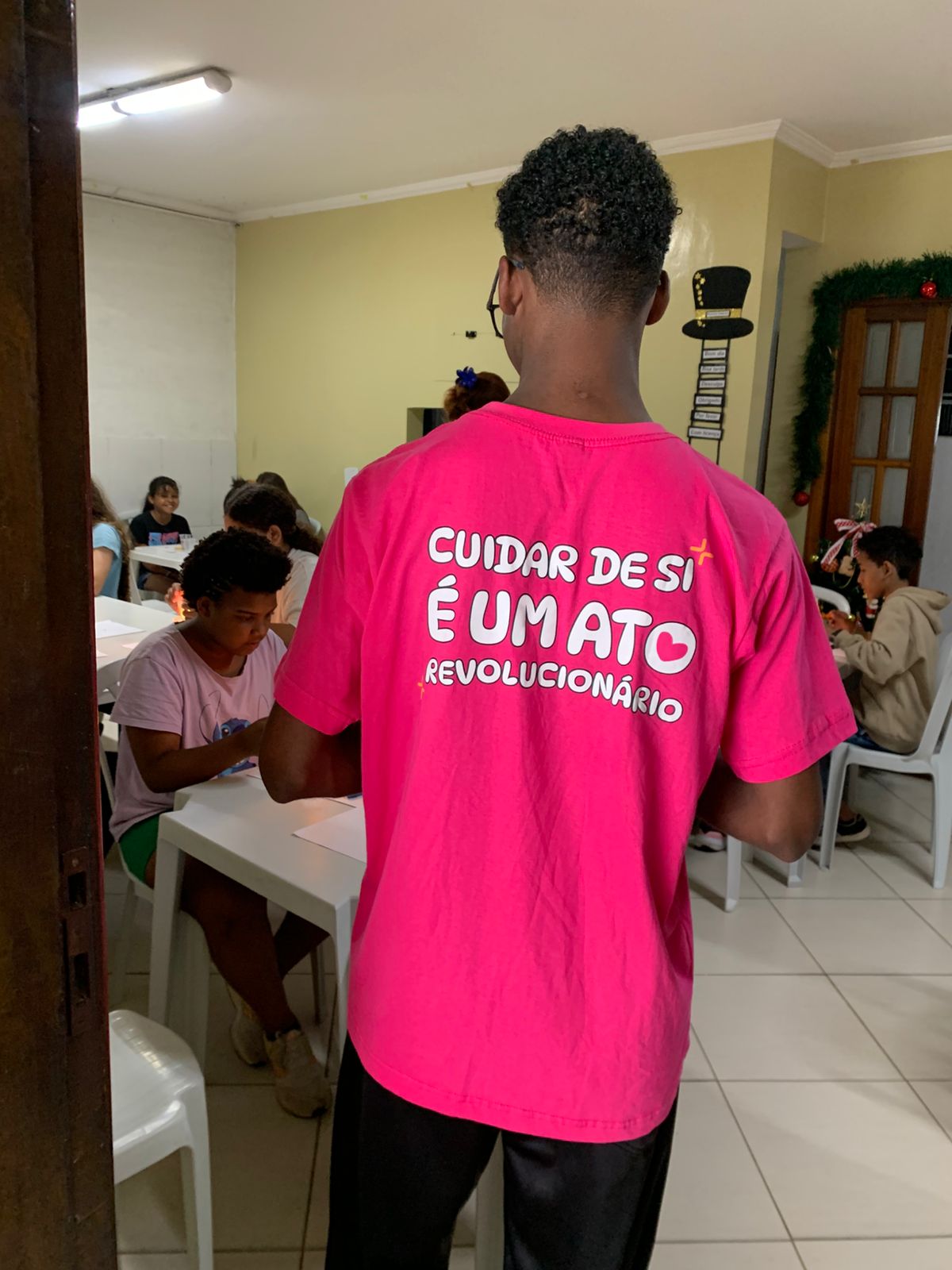
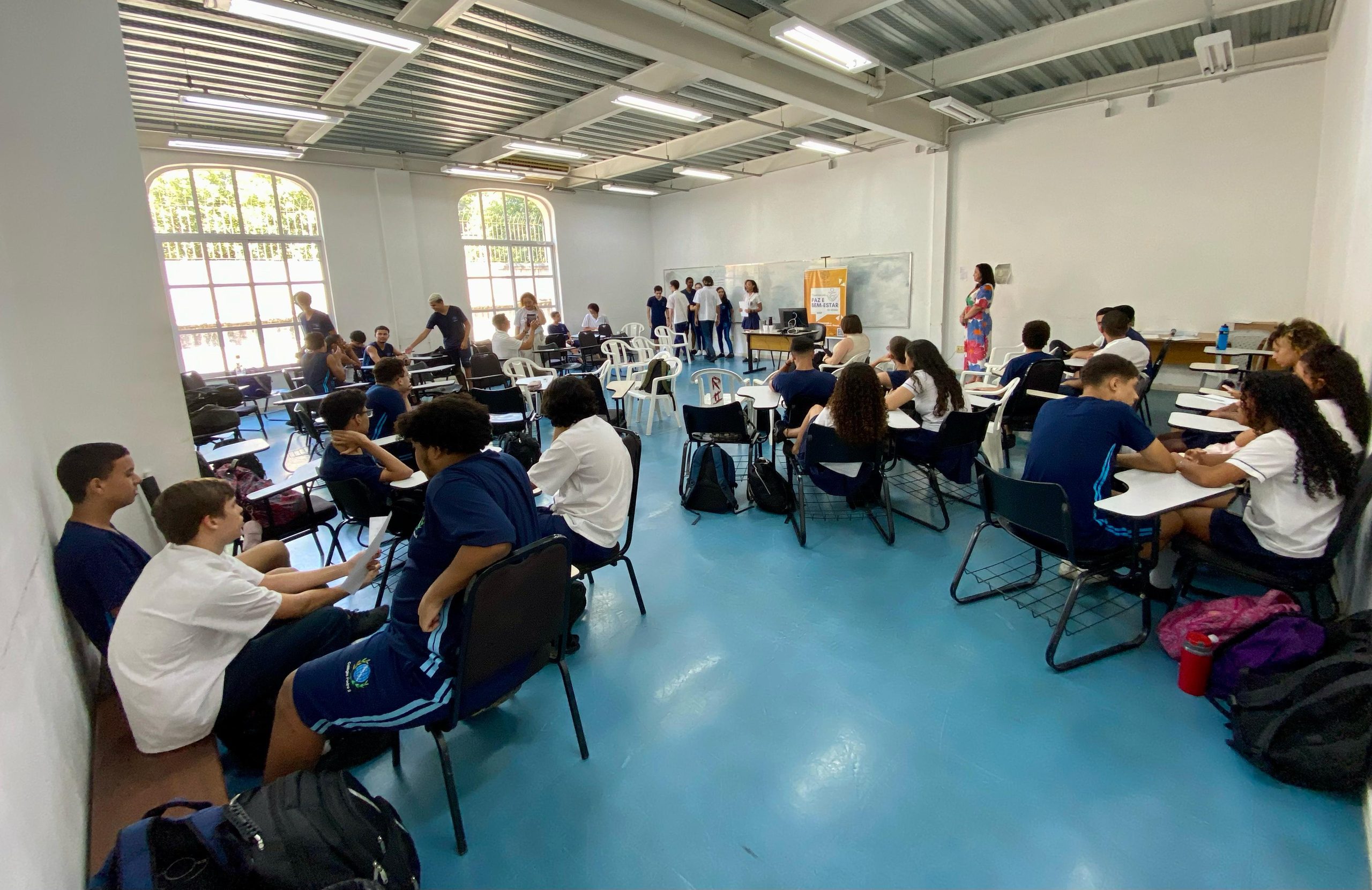
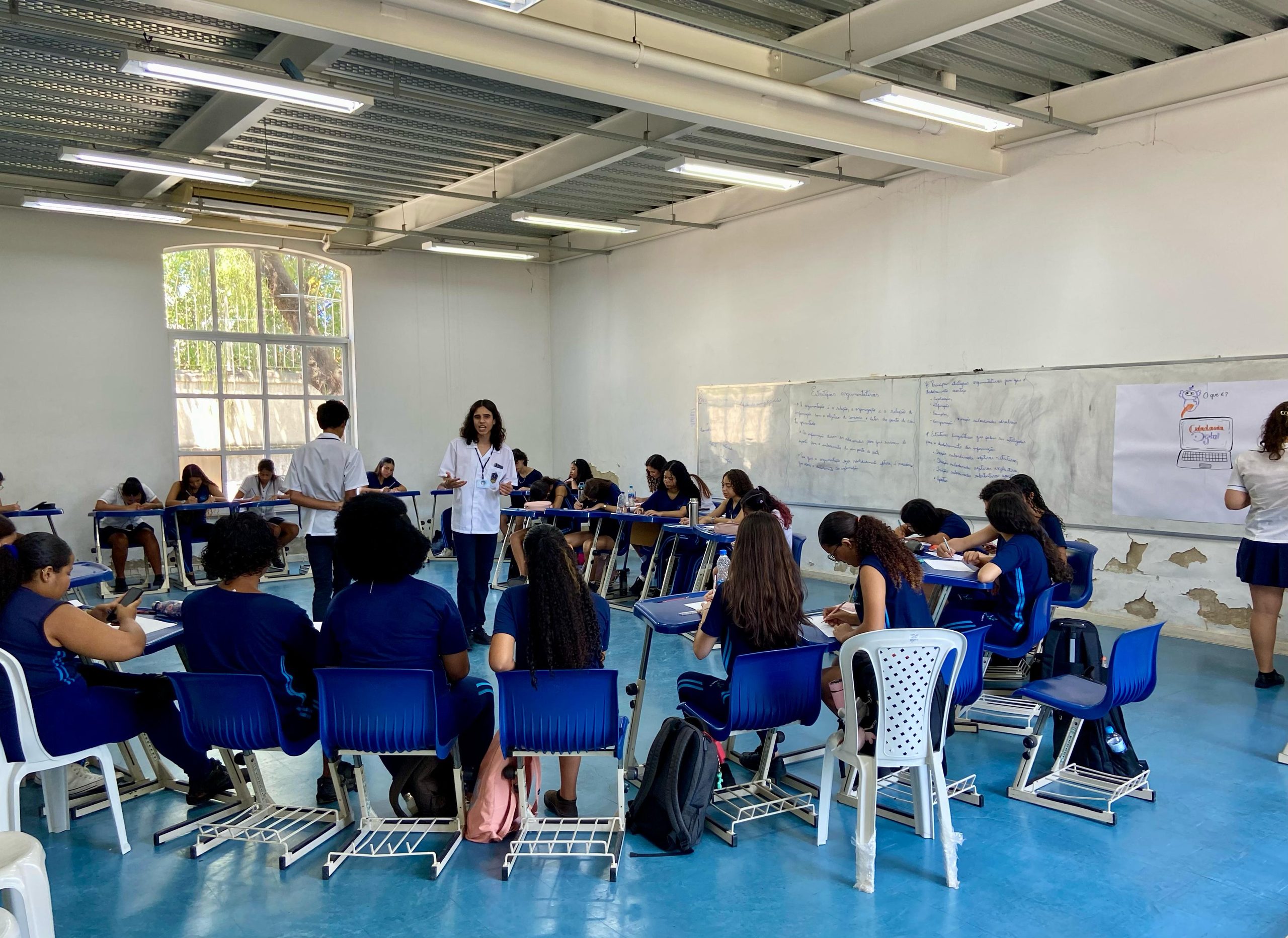
Another front was an Information Caravan, which traveled through educational spaces and reached about 110 young people. Activities included conversation circles about mental health in schools, dynamics, and data collection on the students’ own experiences.
The third action was the creation of an audiovisual campaign produced by the youth, gathering records of activities in the communities and testimonials from students, family members, and professionals about mental health in the school environment.
Why does Infinis support initiatives like this?
Mental health is a fundamental dimension for children, adolescents, and young people to develop in a full and healthy way. But promoting it requires going beyond individual responses: it is necessary to look at the contexts in which these youth live, strengthen the protection network, expand access to information, and build public policies capable of responding to their needs.
For Infinis, this path also involves recognizing adolescents and young people as subjects of rights and protagonists in the construction of solutions that concern their own lives.
That is why we support initiatives that combine training, social participation, and the strengthening of youth leadership. By bringing mental health and advocacy together, Ecoa helps participants not only to better understand the topic but also to develop tools to dialogue with their communities, mobilize others, and influence public policies.
The experience shows that promoting mental health also means creating conditions for youth to be heard and to participate actively in the transformation of their communities.

ECOA Training