






About the topic
The mental health of children and adolescents is currently one of the main challenges in the social field in Brazil. Data from the On My Mind study indicate that one in six children and adolescents in the country lives with some mental health-related disorder, highlighting the magnitude and widespread nature of the problem. This scenario is even more concerning when observing that about 50% of mental disorders begin before age 15 and approximately 75% by age 24, which reinforces the centrality of childhood and youth as critical periods for prevention and care.
In the Brazilian context, structural factors deepen this situation. Childhood poverty, combined with early exposure to socio-environmental adversities such as violence, food insecurity, and fragile community bonds, significantly increases the risk of psychological distress and mental illness. The evolution of suicide data makes this diagnosis even more alarming. Between 2000 and 2022, there was a 185% increase in suicide deaths among adolescents aged 10 to 19 and a 112% increase among young adults aged 20 to 29, according to Fiocruz. These numbers reveal not only the worsening of mental suffering but also the limitations of the psychosocial care network in responding equitably and timely to the demands of this population.
Although the country currently has 275 Psychosocial Care Centers for Children and Adolescents (CAPSi), this number is insufficient given the scale of the challenge and presents profound territorial inequalities. São Paulo and Minas Gerais concentrate about 41.8% of these facilities, while states like Roraima and Acre have no such services, and Alagoas, Rondônia, and Tocantins have only one unit each. This unequal distribution restricts access to care, especially in regions historically marked by greater social vulnerability.
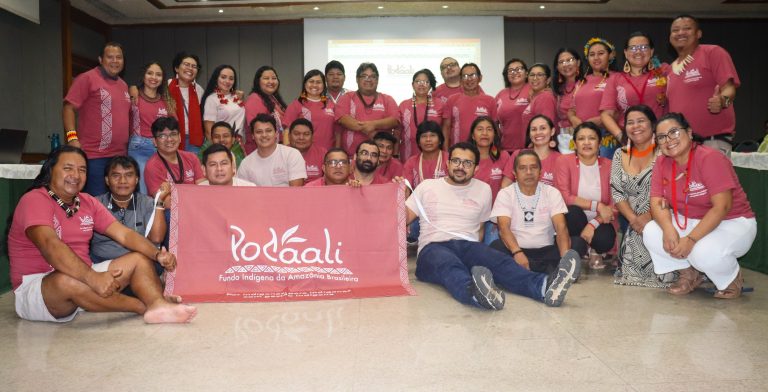
Inequalities are also expressed forcefully among specific population groups. Among indigenous peoples, suicide mortality, especially among young people, is 2.7 times higher than in the general population, according to recent studies. Among Black and mixed-race children and adolescents, structural racism, daily discrimination, and barriers to accessing health services figure as relevant determinants of mental suffering, deepening inequities and making specific needs invisible.
This set of evidence reinforces that childhood and youth are, at the same time, periods of high vulnerability and a strategic window of opportunity. Qualified, early, and localized interventions have the potential to alter risk trajectories, reduce future impacts, and promote the healthy and full development of children and adolescents.
About the topic
Childhood and youth are decisive phases for emotional development. Investing in care, prevention, and public policies is urgent and strategic.
A broad and growing problem
The mental health of children and adolescents is one of the main social challenges in Brazil today. Studies indicate that 1 in 6 children and adolescents lives with a mental disorder, often without access to proper care.
- 50% of mental disorders begin before age 15
- 75% start by age 24
- Childhood is a decisive window for prevention and care
Inequalities that impact emotional well-being
In Brazil, psychological distress is aggravated by structural factors such as childhood poverty, violence, food insecurity, and fragile community bonds. These contexts increase risks and limit access to emotional and psychosocial support.
- Early exposure to violence
- Structural racism and discrimination
- Inequality in access to health services
- Fragility of protection networks
The growth of suicide cases
Between 2000 and 2022, Brazil recorded a significant increase in suicide deaths among young people, revealing both the worsening of mental suffering and failures in the public response.
- +185% among adolescents aged 10 to 19
- +112% among young people aged 20 to 29
Where responses are lacking, risk increases
Despite the existence of Psychosocial Care Centers for Children and Adolescents (CAPSi), the supply of services is insufficient and marked by profound territorial inequalities.
- Only 275 CAPSi nationwide
- 41.8% concentrated in SP and MG
- States without any CAPSi: Roraima and Acre
- States with only one unit: Alagoas, Rondônia, and Tocantins
Unequal impacts, invisible needs
Children and adolescents are not affected in the same way. Historically vulnerable groups face higher risks and additional barriers to care.
- Indigenous youth have a suicide rate 2.7 times higher than the national average
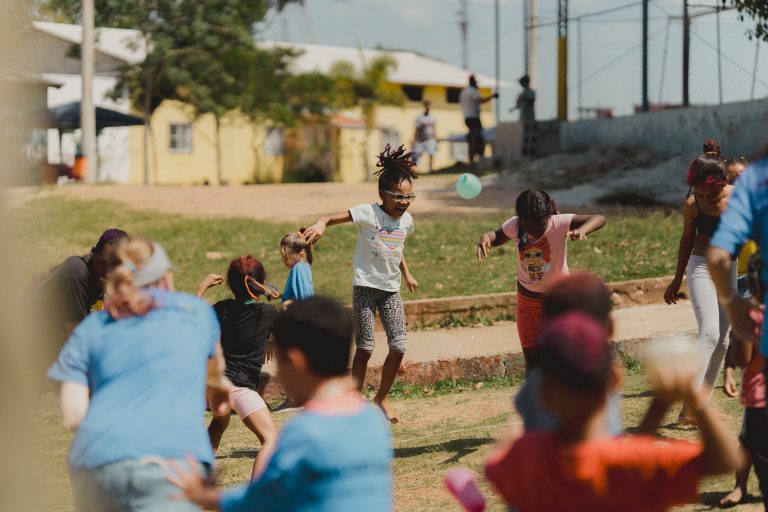
- Black and mixed-race children and adolescents face the effects of structural racism and social exclusion
Dialogue, listening, and coordinated action
Based on the understanding that care begins with listening and bonding, Infinis operates in strategic spaces and in partnership with organizations aligned with its purposes. Our focus is to strengthen public policies and initiatives that promote the emotional and psychosocial well-being of children and adolescents.