






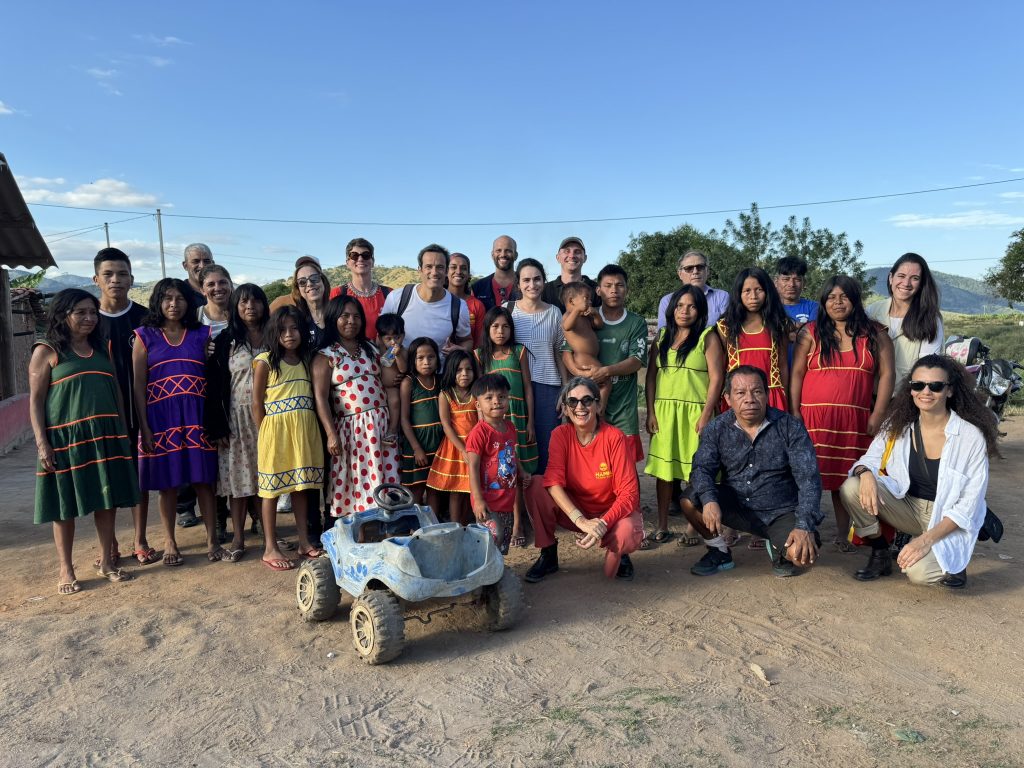
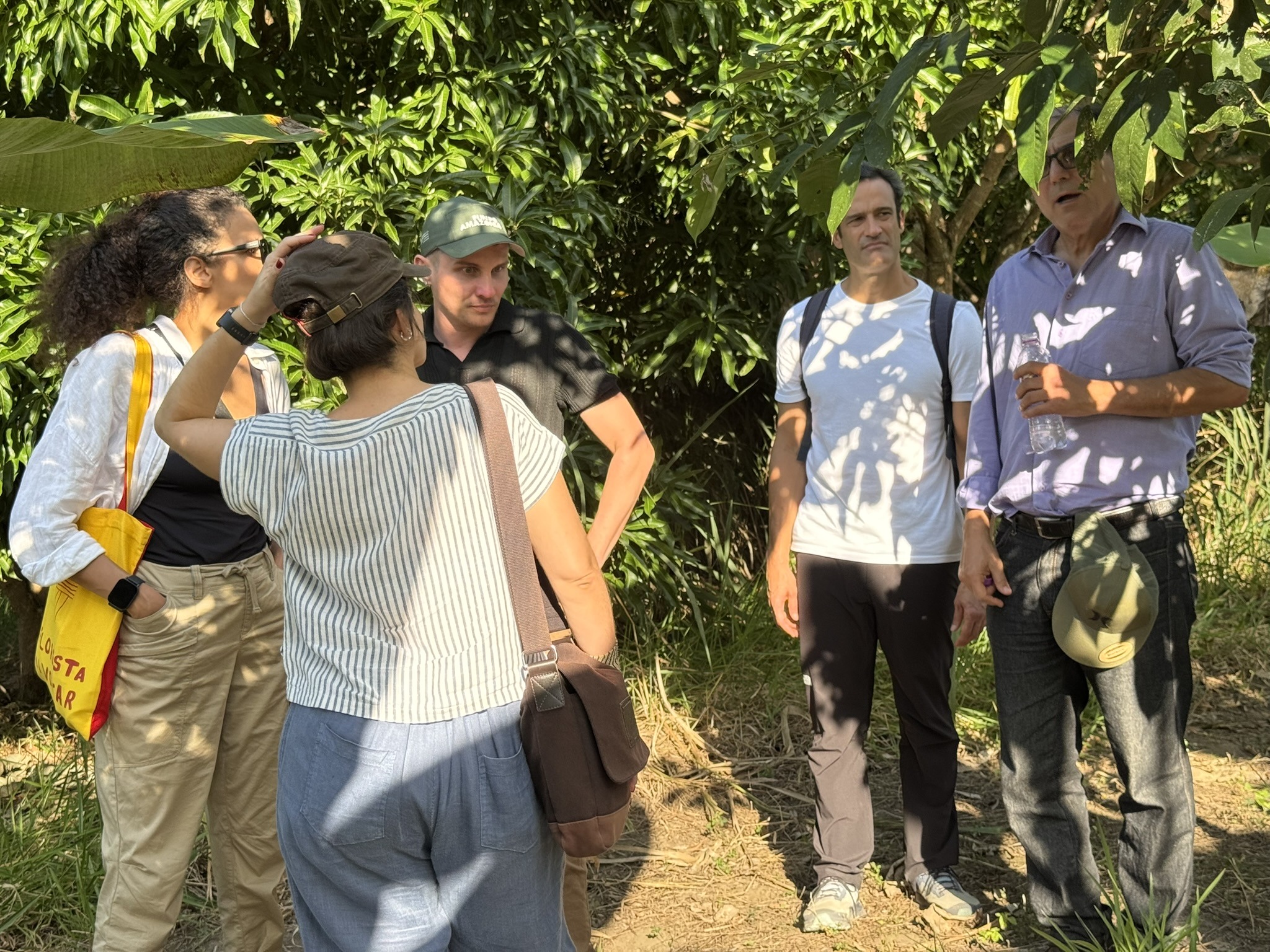
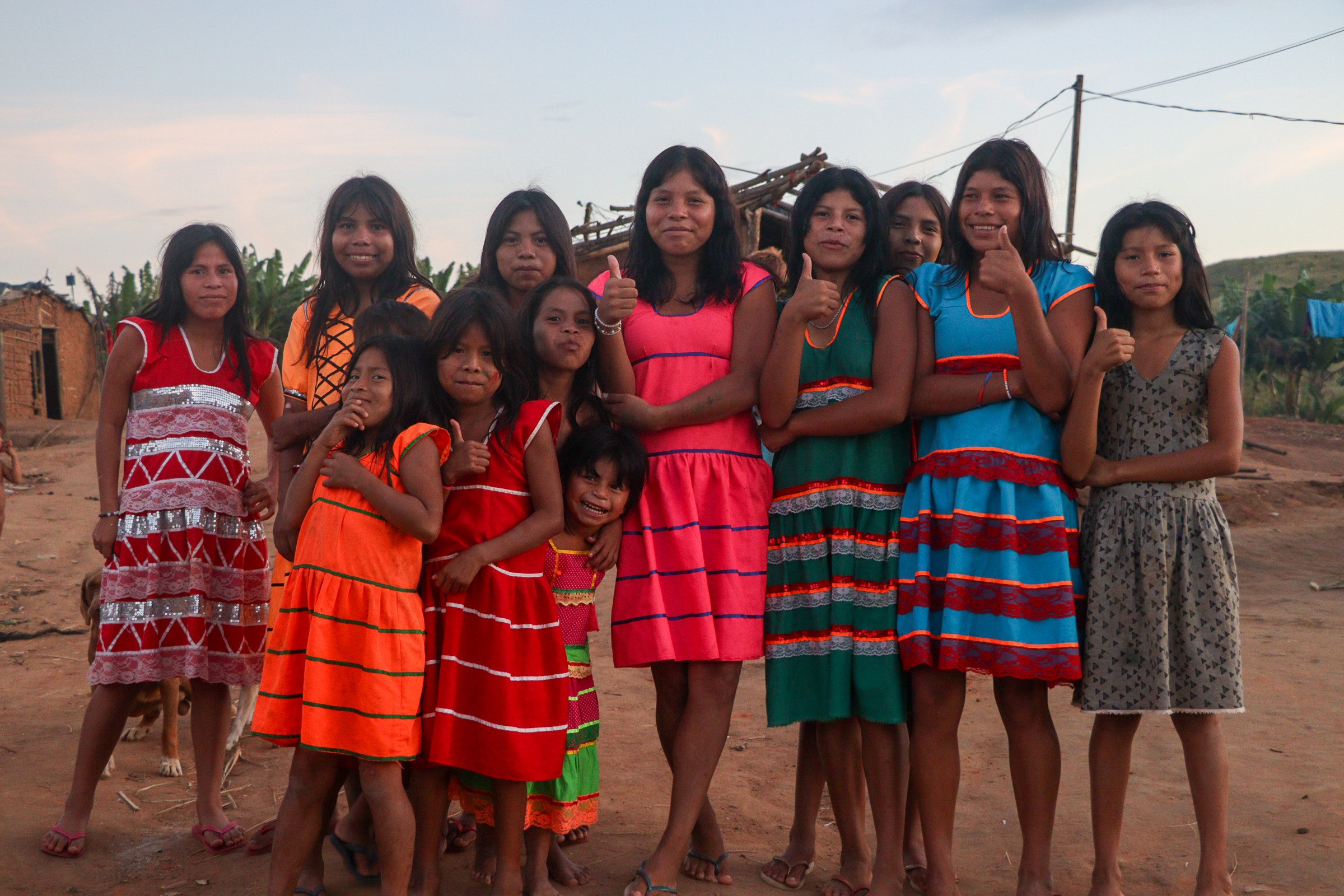
Between June 8 and 12, 2026, representatives from Infinis – Instituto Futuro é Infância Saudável and Instituto Pensi, organizations of the José Luiz Setúbal Foundation (FJLS), conducted a technical visit to the Tikmũ’ũn/Maxakali indigenous territory in Minas Gerais. The agenda aimed to deepen knowledge about the reality experienced by the community, understand the social, environmental, and health determinants that impact the health of children and adolescents, and identify opportunities for institutional collaboration focused on strengthening child health.
The Foundation’s interest in the territory began in 2025, in light of the emergency situation related to the health of Maxakali children and the reforestation and agroecology work carried out in the region.
The field visit was planned throughout the first half of 2026 in coordination with the Operational Support Center for Social Inclusion and Mobilization Prosecution Offices (CAO-CIMOS) of the Public Prosecutor’s Office of Minas Gerais, and with the Maxakali Special Indigenous Health District (DSEI).
Participants in the technical mission included Ana Claudia Andreotti, projects and programs coordinator at Infinis, Ana Elisa Bersani, principal researcher at Pensi, and Luiz Guilherme Florence, pediatrician at Pensi. All planning and preliminary research also involved the work of Carolina Andrade, Advocacy analyst at Infinis, and William Cabral, researcher and consultant in geoprocessing and spatial analysis at Pensi.
An agenda of dialogue and engagement with the territory
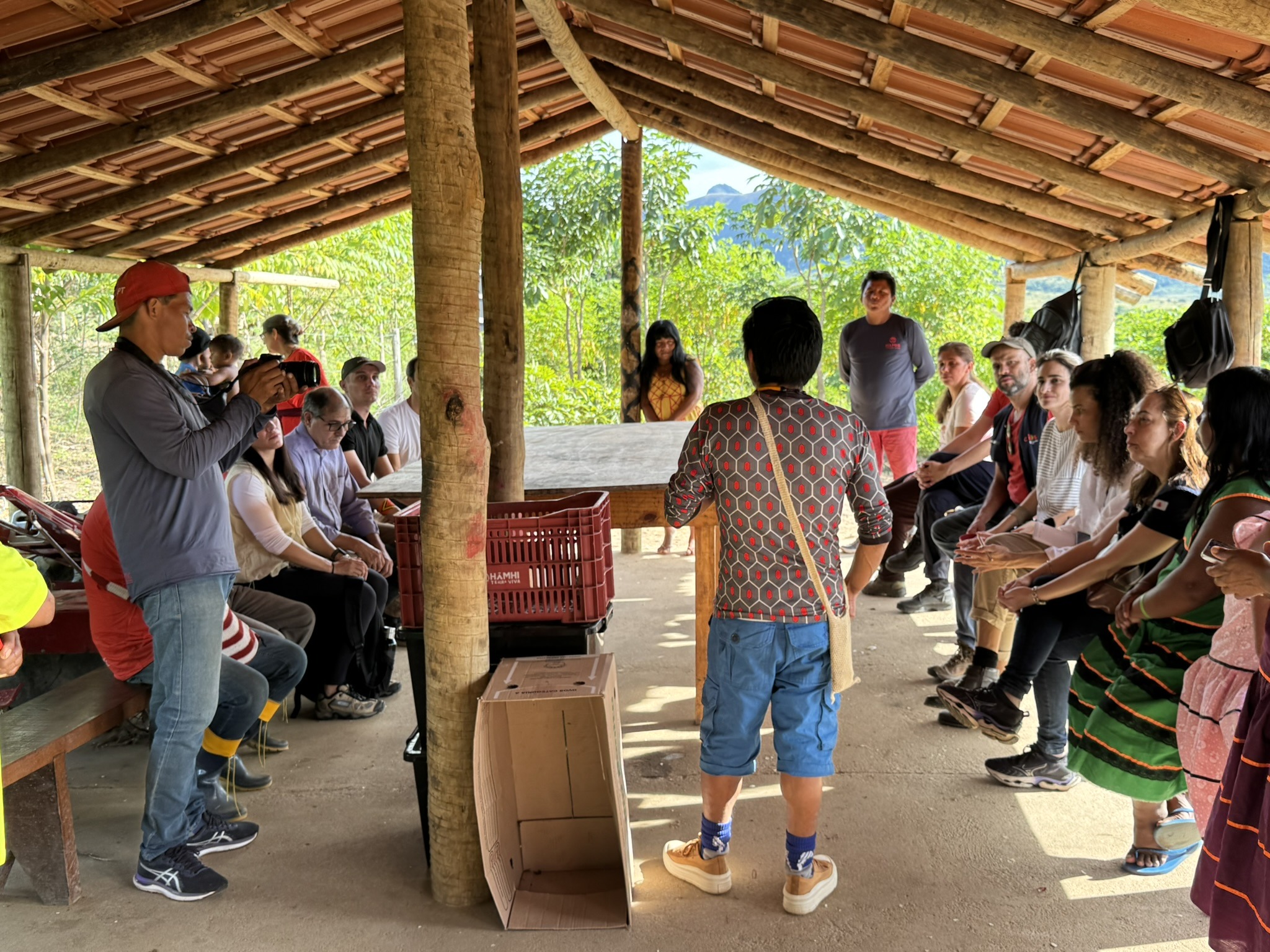
Over five days, the team participated in institutional meetings with representatives from DSEI Maxakali, the Public Prosecutor’s Office of Minas Gerais, and the Federal Public Prosecutor’s Office, in addition to visiting villages, health centers, and indigenous territories in the municipalities of Ladainha, Teófilo Otoni, Bertópolis, and Santa Helena de Minas.
The program included visits to Aldeia Verde and Aldeia Escola Floresta, meetings with the Prosecutor’s Office of the Águas Formosas District and with the Maxakali Base Center, as well as visits to the Pradinho and Água Boa indigenous territories. Throughout the agenda, the team engaged in dialogue with indigenous leaders, health professionals, educators, representatives of the justice system, and other local stakeholders, seeking to understand the cultural, social, and institutional specificities of the territory.
The initiative is part of Infinis’ strategy to strengthen evidence-based action, intersectoral dialogue, and the building of partnerships committed to promoting the health and rights of children and adolescents in different contexts across the country.
As a next step, a diagnostic assessment will be consolidated that will bring together secondary data, field observations, recommendations, and partnership possibilities to support future institutional decisions and expand support for initiatives focused on the health and well-being of the Tikmũ’ũn/Maxakali communities.
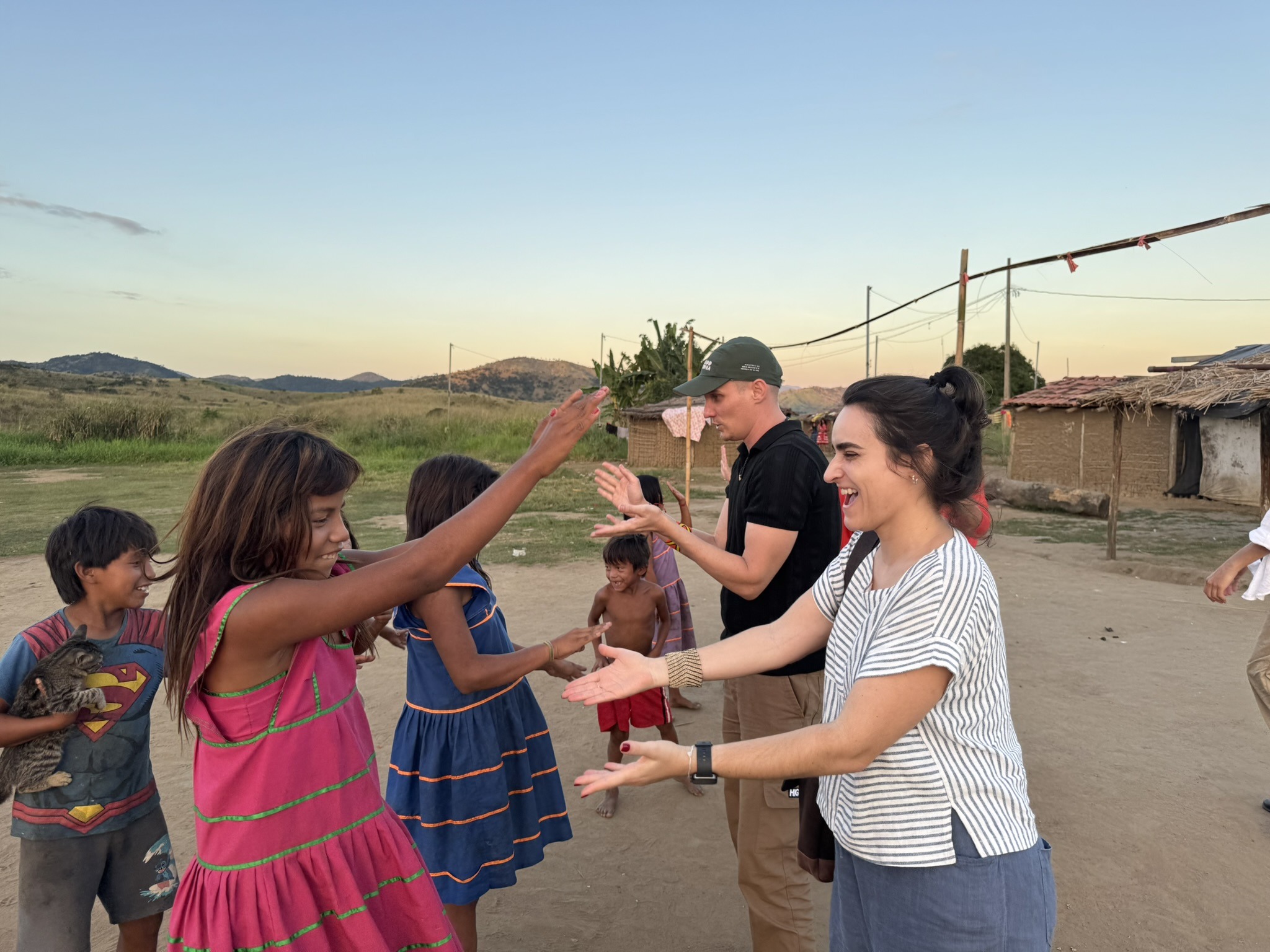
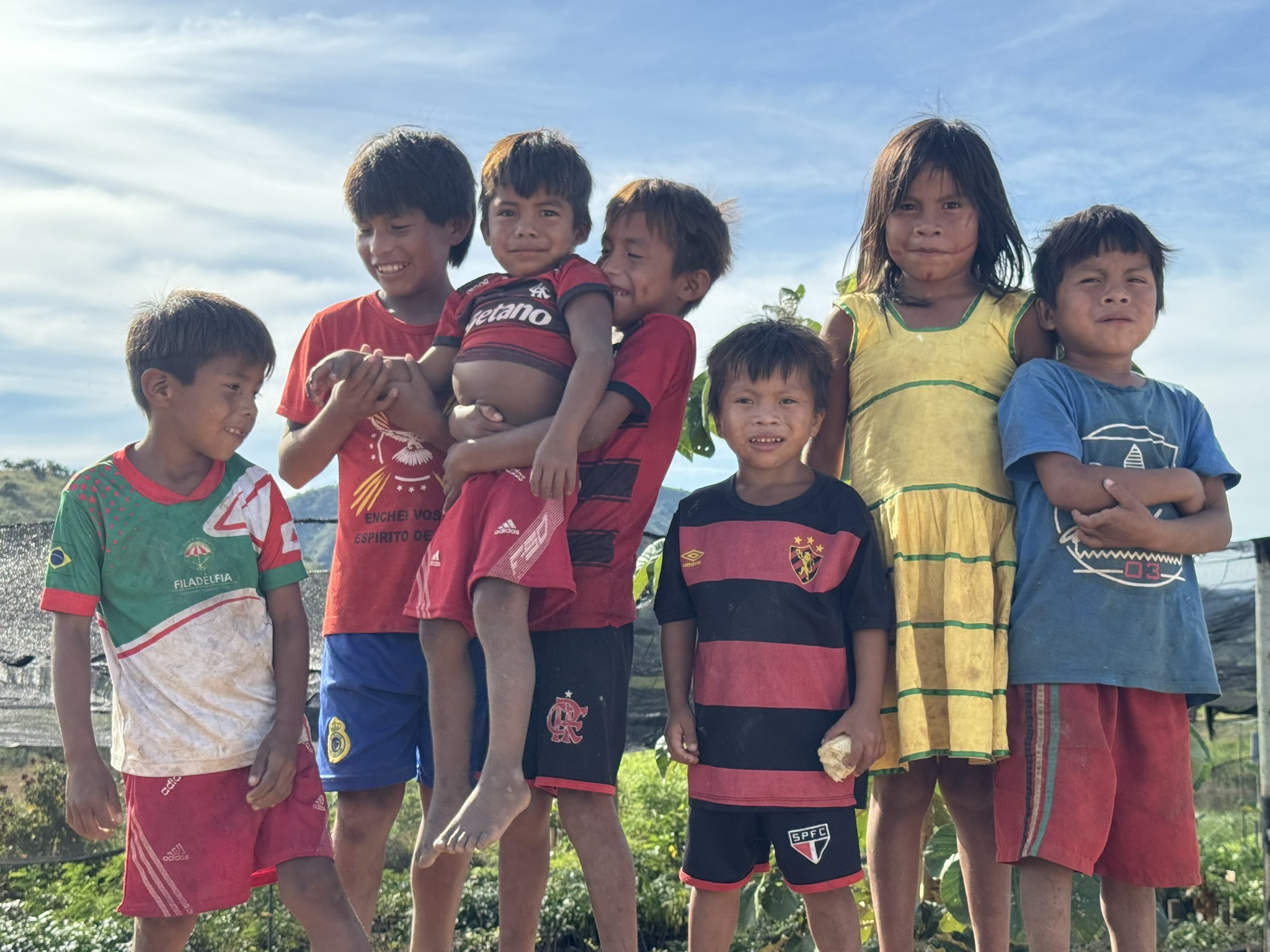
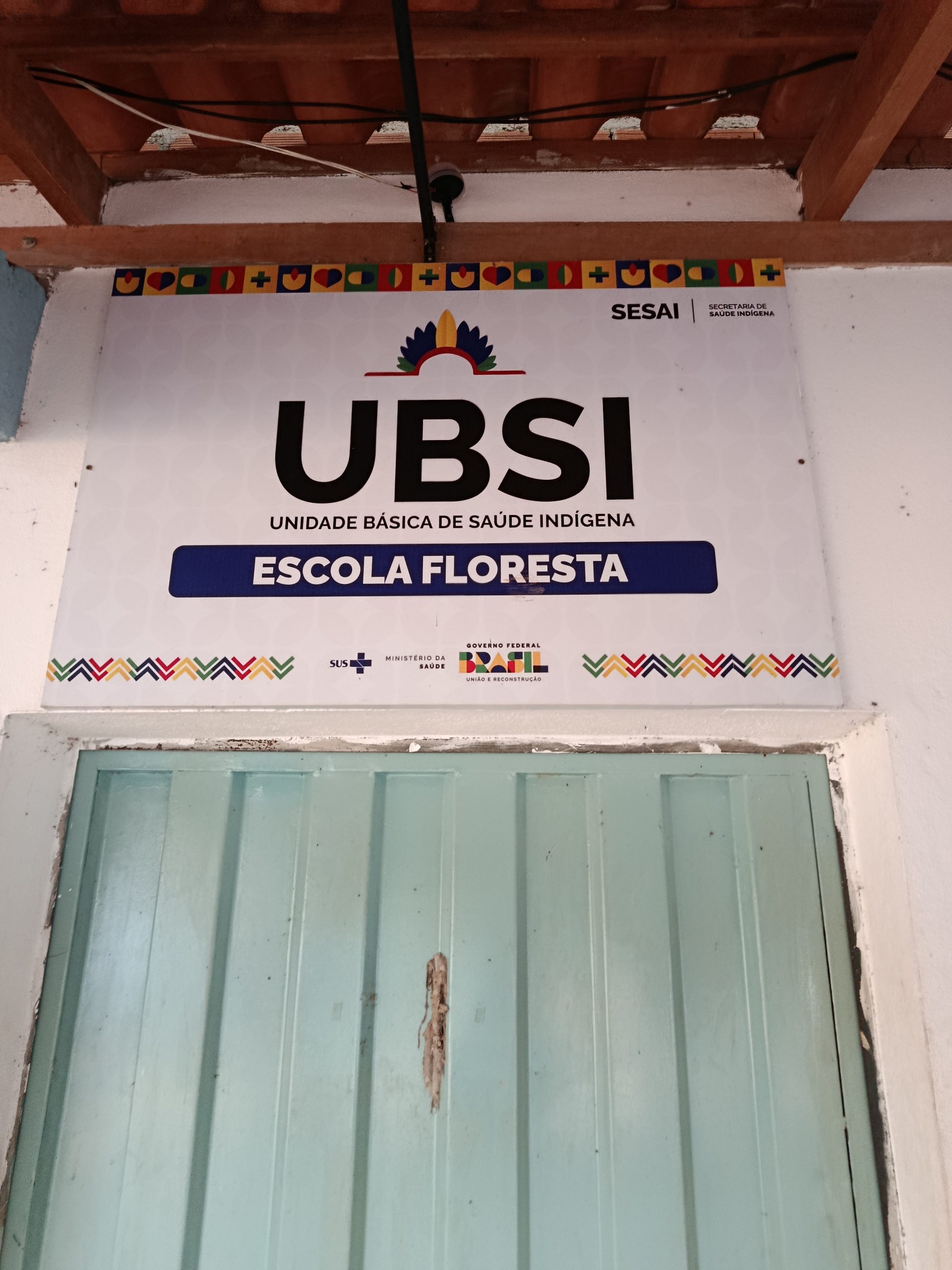
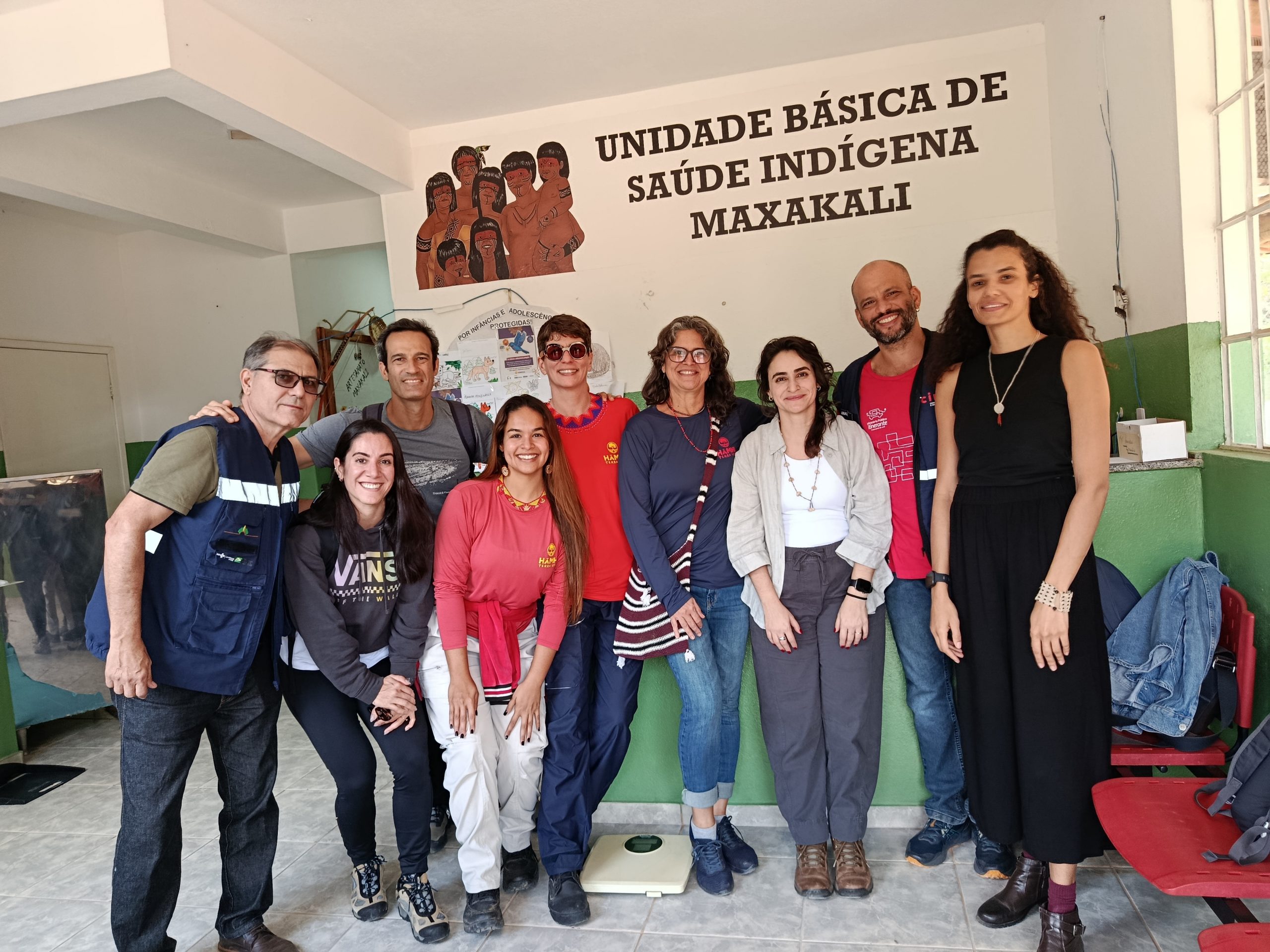
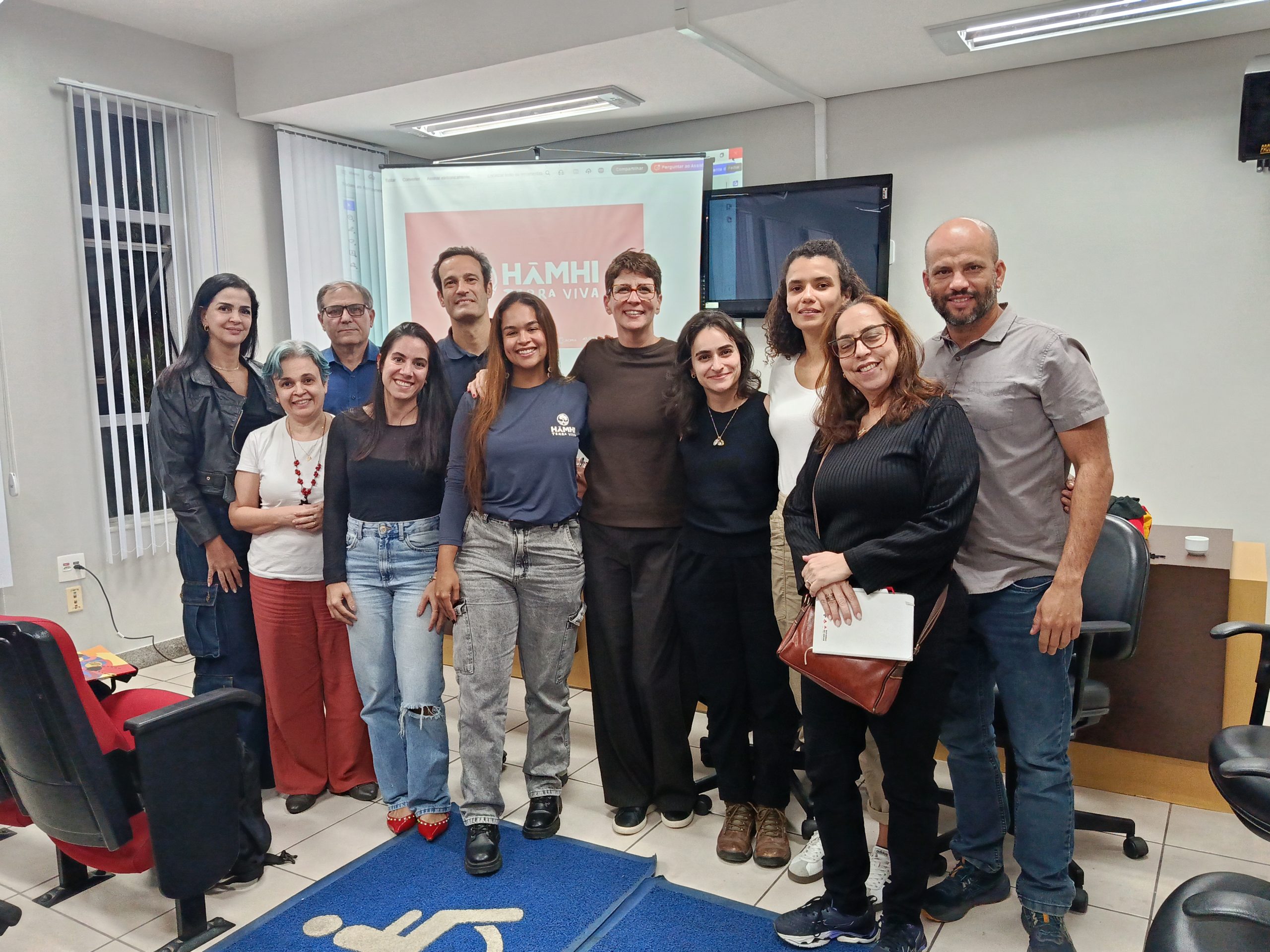
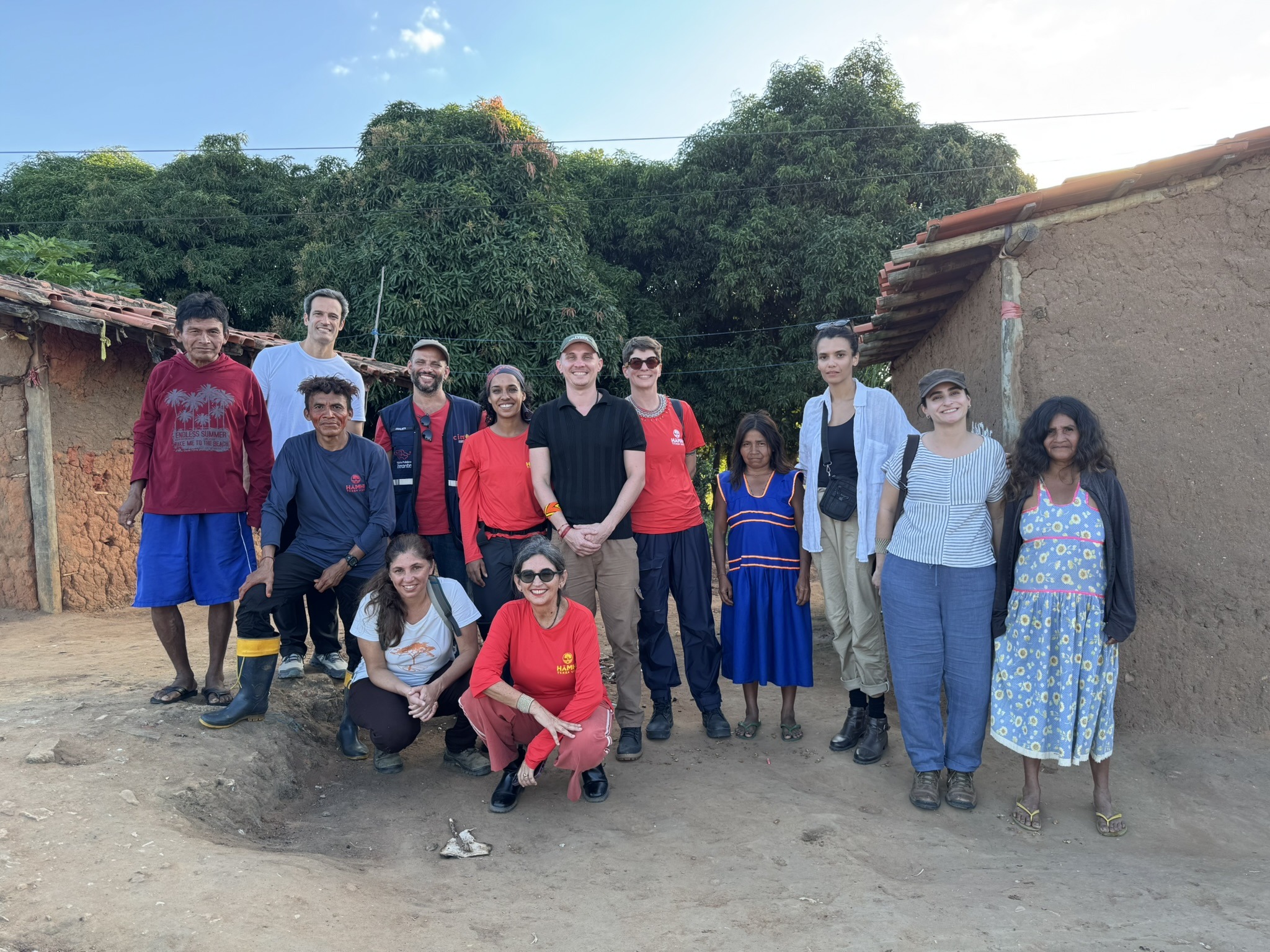
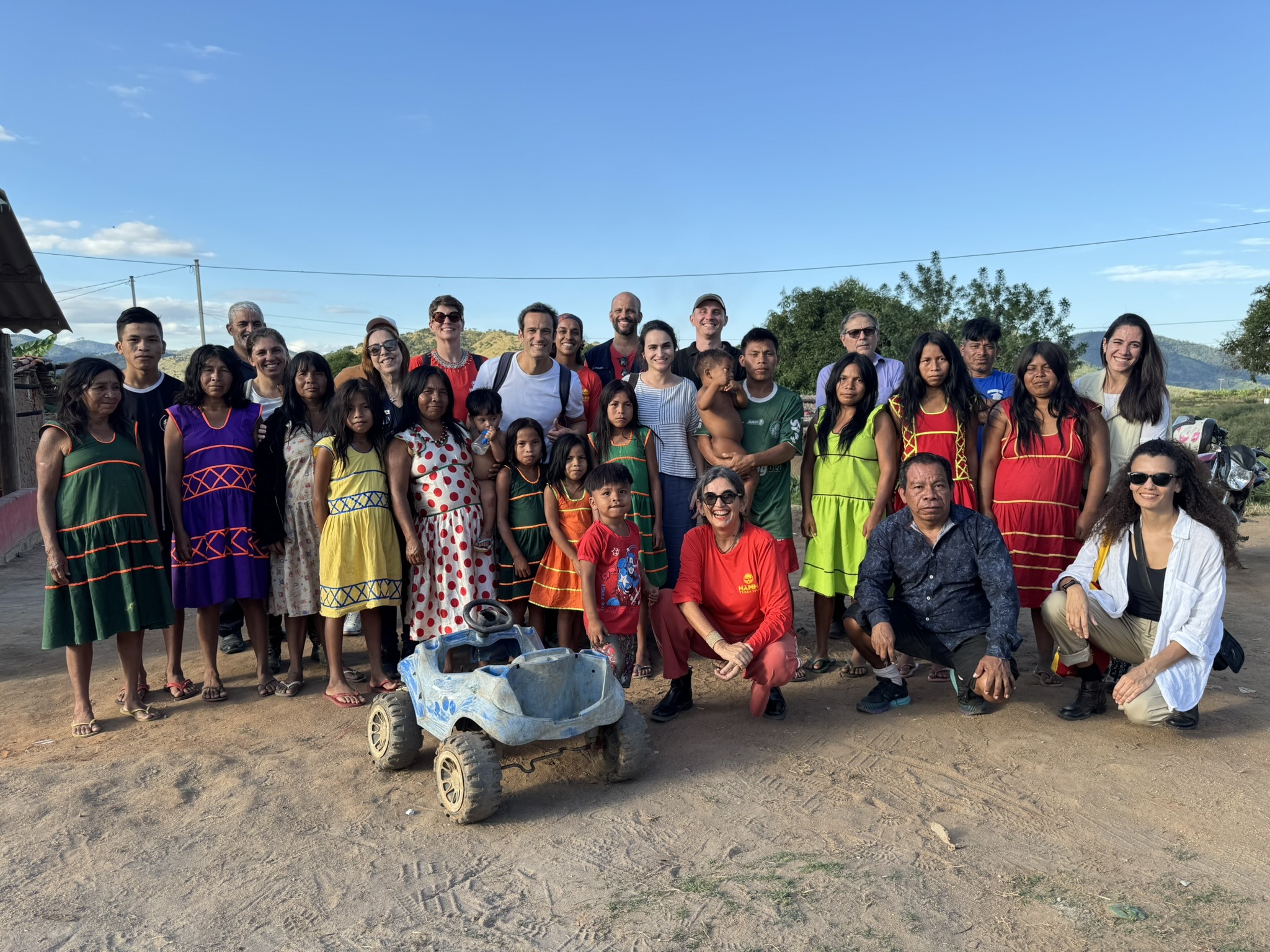
Photos: Ana Andreotti and Gabriel Fernandes – Hãmhi Project