





About the organization
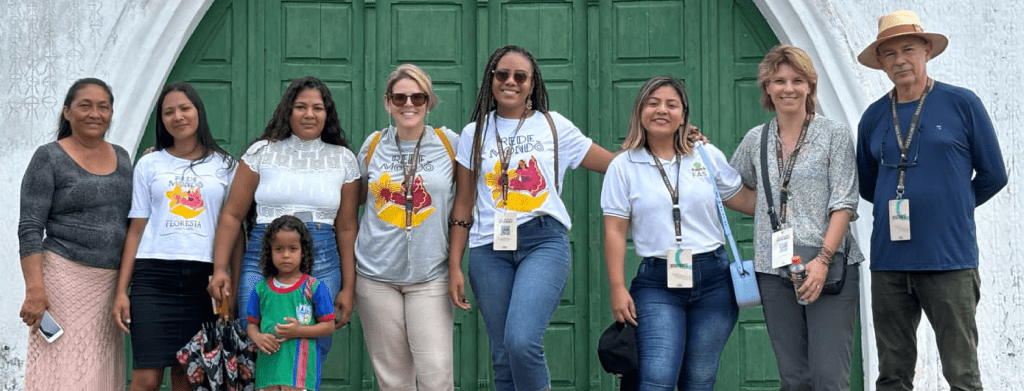
The Instituto Mondó is a non-profit organization dedicated to driving social transformation and strengthening vulnerable communities. Inspired by the Tupi term “Mondó,” which conveys the idea of boosting and moving forward, the initiative emerged with the purpose of strengthening human and community potential in Amazonian regions, especially in the Marajó Archipelago, a territory marked by profound social inequalities. The organization operates through integrated projects in the areas of education, health, and infrastructure (housing, water, and energy), structuring sustainable solutions that stem from the school community to promote social transformation and break cycles of poverty in the territory.
Socioeconomic context
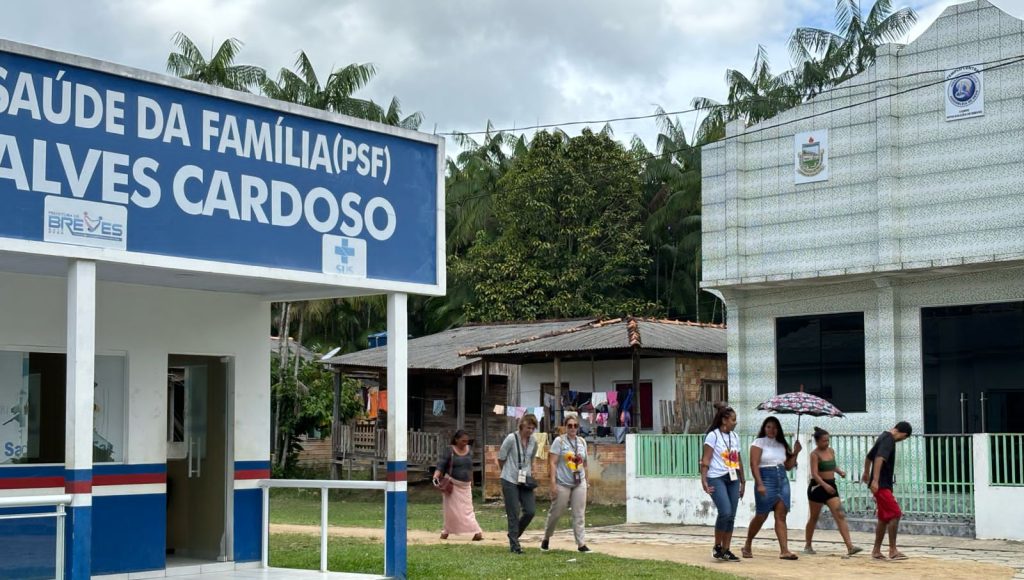
Breves (PA), located in the Marajó Archipelago, presents severe structural weaknesses: only 1.18% of households have access to the public sewage network (2013), well below the national average (41.93%), a reality also reflected in schools, which often lack basic infrastructure such as running water and adequate sanitation. Infant mortality was 15.79 per thousand live births (2017), 23% above the national average that year. According to the 2022 IBGE Census, the municipality has 106,968 inhabitants, with a predominantly mixed-race and Black population (84.94%); the 2022 Census recorded 106,968 residents, of which 43.84% are up to 19 years old. The same Census indicates 823 Indigenous people in the municipality (0.77% of the population), no registered Quilombola population, and 7,242 residents living in slums and urban communities, corresponding to 6.77% of the total population. Furthermore, the municipality has 34,169 families registered in CadÚnico, highlighting the strong presence of groups in situations of social vulnerability in the territory.
A mental health diagnosis conducted by Instituto Mondó in the territory in (2024), using three tools—talking circles, semi-structured interviews, and the PHQ-9 questionnaire—reinforces that this context of social vulnerability directly impacts children and adolescents, as 62.8% show some degree of depression, with significant records of death-related ideation (25.1%) and self-harm (16.9%). Therefore, it is a territory marked by structural limitations and high psychosocial risk.
Project objective
To enable the promotion of mental health for children and youth in Amazonian communities through the school environment, focusing on reducing vulnerabilities and strengthening social and community protection networks. Specific objectives include:
- 01. Developing a network to address mental health challenges in the Amazon;
- 02. Developing an integrated and customized program for the local reality;
- 03. Increasing literacy within the school community, health professionals, and the wider community regarding mental health;
- 04. Contributing to making schools places for mental health promotion;
- 05. Building a database that contributes to the development of public policies for the Amazonian community;
- 06. Reducing risk factors associated with psychological distress, self-harm, and suicidal behavior among project beneficiaries.
Partners
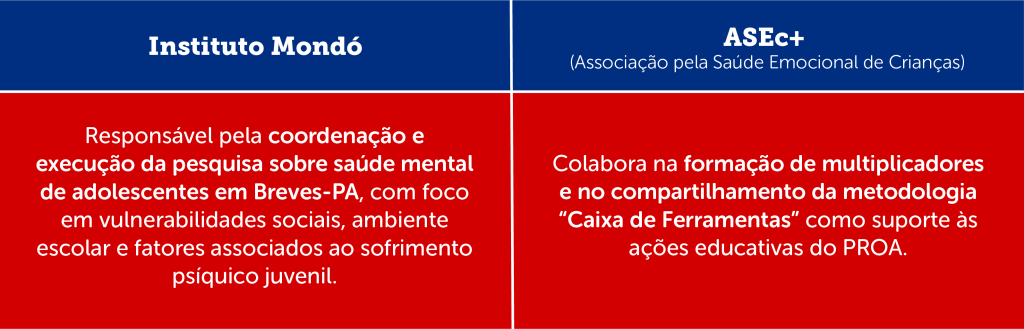
Stakeholders involved in the project
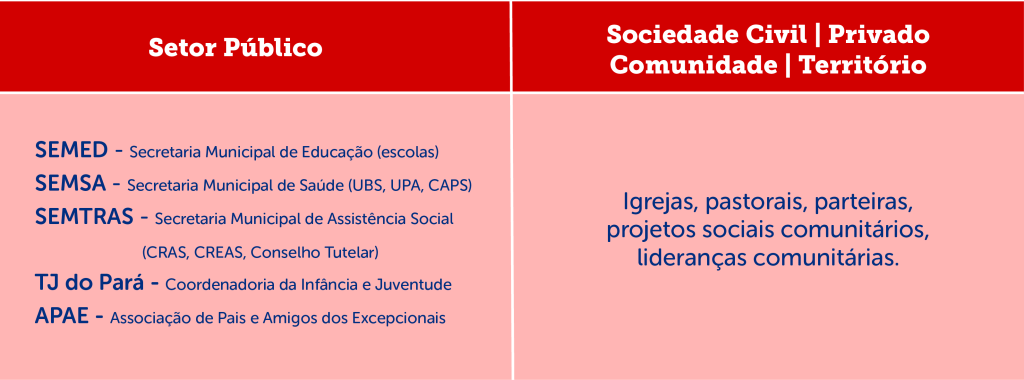
Dialogue with public policies
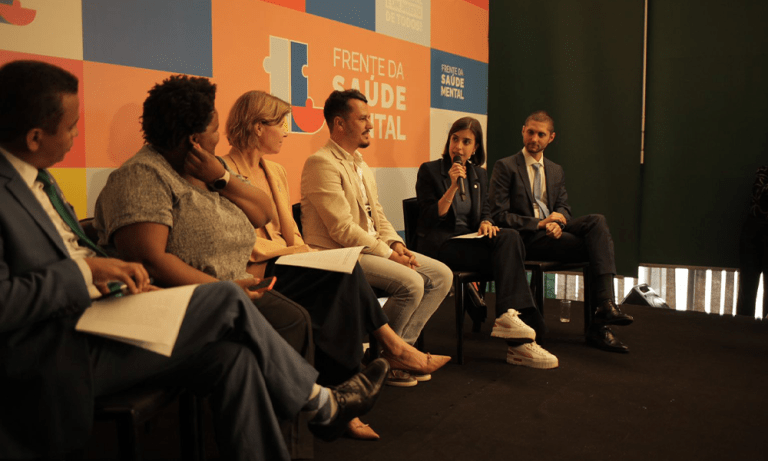
The project involves direct coordination with the public sector through dialogue with the Intersectoral Committee of the Health at School Program (PSE) and local institutional bodies, working in partnership with the Municipal Government of Breves, with participation in the Municipal Health Council and the Municipal Council for the Rights of Children and Adolescents, where they serve on the Deliberative Council. It also proposes the construction of a database to support the development of public policies in the Amazonian community. Additionally, PROA works on the decentralization of the mental health agenda, promoting its continuous inclusion in different youth and community social spaces beyond the school environment, strengthening permanent care actions, qualified listening, and territorial coordination. As part of this strategy, the program implemented “PROA Spaces,” welcoming environments set up in four strategic points in the city of Breves, intended for talking circles, mental health promotion actions, and the strengthening of community bonds, with shared use among partner institutions and the community. In the final year of the current cycle (2026), one of the main activities is the integration of the Permanent Mental Health Promotion Campaign into the Public Agenda.