






About the organization
The Desconecta Movement is an initiative created by families with the goal of addressing the early and excessive use of smartphones and social media by children and adolescents. It emerged from concerns regarding the negative impacts already evidenced by research, such as harm to mental health, cognition, relationships, and quality of life, in addition to risks like cyberbullying and exposure to harmful content. Faced with social pressure that leads many parents to offer cell phones at increasingly younger ages, the movement proposes returning decision-making power to families and stimulating a collective change based on information and awareness.
The movement’s main strategy is to encourage collective agreements between families and school communities to delay access to the first smartphone (ideally until age 14) and social media (until age 16). The proposal is not to be against technology, but to promote its more balanced use, appropriate for each age group. Through community mobilization, the Desconecta Movement seeks to reduce social pressure on parents, strengthen family bonds, and encourage a childhood and adolescence more connected with real experiences, such as play, social interaction, and healthy emotional development.
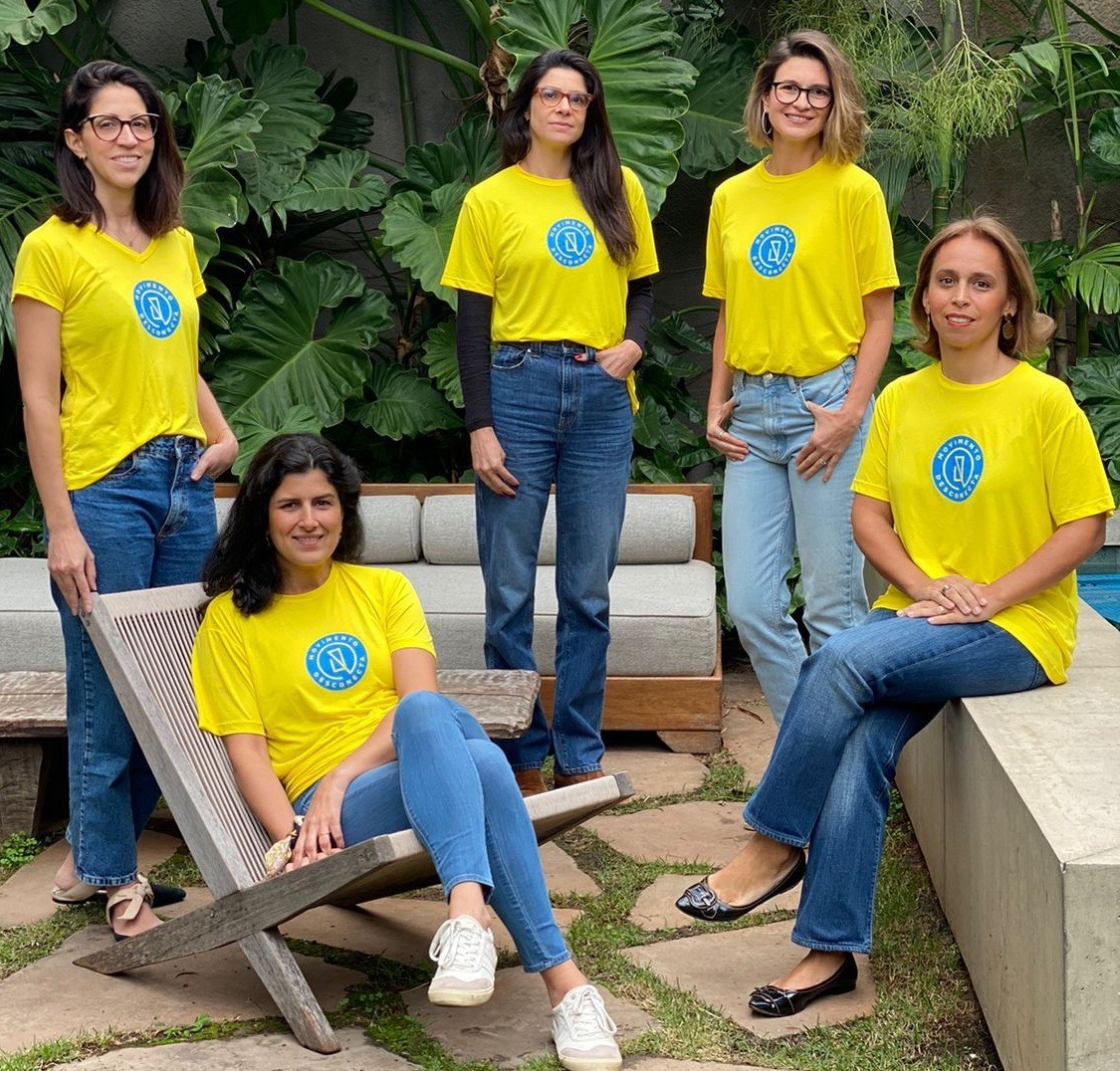
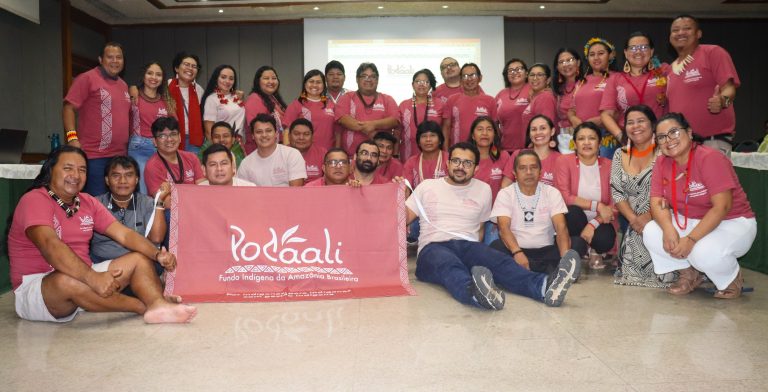
Founders of the Desconecta Movement, an initiative created by a group of mothers to promote collective agreements between families, delaying the delivery of the first smartphone until age 14 and access to social media until age 16.
Socioeconomic context
The intensive use of cell phones and digital media has established itself as a phenomenon with significant impacts on the development of children and adolescents, especially in socioeconomic contexts marked by inequality, early access to technology, and a lack of qualified adult mediation. The Tic Kids Online Brasil 2025 (Cetic.Br) survey estimates that approximately 24.6 million children and adolescents recently accessed the internet in Brazil, indicating an access level close to universalization (>90%). Furthermore, the cell phone—the device that presents the greatest difficulty for parental control regarding use—is used by 96% of children and adolescents as the primary device for internet access in Brazil.
Studies indicate that excessive use is associated with harm to mental health, including increased anxiety, depression, sleep disorders, and cognitive and behavioral difficulties (Nunes et al, 2021). Additionally, research shows that prolonged screen time can reduce face-to-face interactions, which are fundamental for socio-emotional development, and is related to lower sleep quality and a higher risk of psychological distress.
Recent studies indicate that the intensive and problematic use of networks and devices may be associated with self-destructive behaviors and psychological distress among adolescents, especially in the phase between 11 and 14 years old (WHO Europe, 2024). In this scenario, the digital environment ceases to be just a space for interaction and begins to reproduce and, at times, intensify inequalities and violence already present in society, requiring coordinated responses between families, schools, and public policies to ensure protection and healthy development.
Project objective and results
The hiring of a consultancy to perform strategic planning aimed to support the Desconecta Movement in its organizational structuring during a period of rapid growth and increased visibility. One of the central objectives was the alignment of the founders around a common vision of the future and purpose, in addition to building solid foundations for expanding the movement’s impact. To this end, organizational diagnostics, leadership interviews, in-person workshops, and the definition of strategic objectives (OKRs) were conducted, focusing on creating a clearer management model, organizing roles and responsibilities, and strengthening the team’s decision-making and execution capacity.
As a result, the Movement now has a more defined organizational structure, with formalized areas, roles, and responsibilities, as well as the implementation of a management model based on rituals, processes, and greater leadership autonomy. Strategic drivers were also established, including a vision for the future, short- and medium-term objectives, and action plans to sustain growth. This process contributed to reinforcing internal workflows, reducing communication and decision-making bottlenecks, and strengthening the Desconecta Movement’s capacity to scale its operations, expanding its potential for social mobilization and impact in promoting a healthier childhood protected from the early use of smartphones.