





About the organization
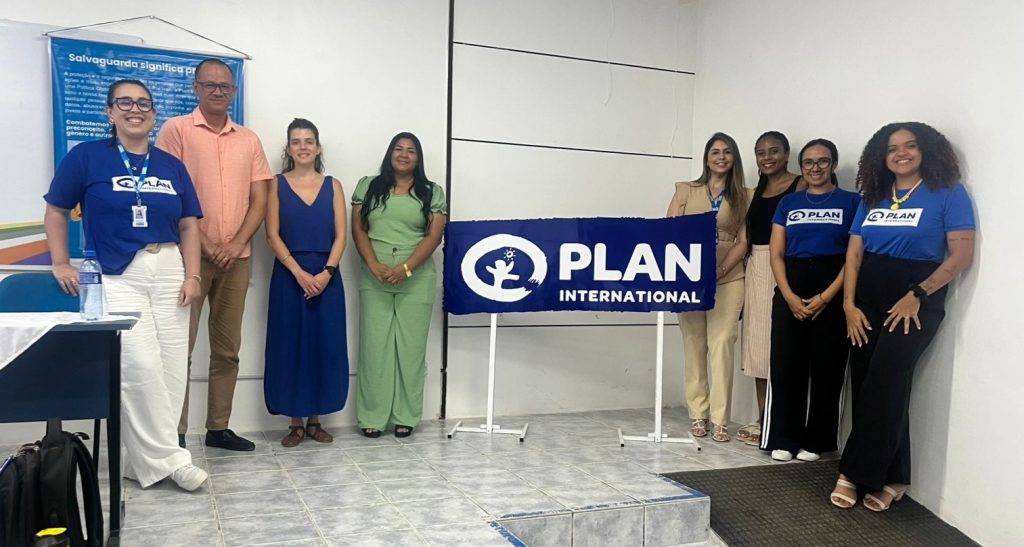
Plan International is a humanitarian, non-governmental, and non-profit organization that promotes children’s rights and equality for girls.
For over 89 years and present in more than 80 countries, the organization works alongside children, youth, and partners to tackle inequality, violence, poverty, and discrimination, promoting changes in policies and practices at local, national, and global levels.
Socioeconomic context
In Codó, a municipality in Maranhão with 114,275 inhabitants (IBGE, 2022), support for the Cambalhotas Project takes place within a context of vulnerability that directly affects early childhood. According to data from the diagnosis carried out by the project—which interviewed 277 people including children, families, education professionals, and public managers in ten early childhood education units—89% of families reported an average monthly income of up to one minimum wage and 92% depended on income transfer programs; at the same time, 77% reported having no water treatment at home and 95% pointed to an absence of sewage treatment in the region. Regarding nutrition, the diagnosis identified difficulty in regular access to healthy food, with 39% of families saying they sometimes have difficulty obtaining it and 3% frequently, while 44% consumed fruits and vegetables only once or twice a week; in contrast, ultra-processed foods appeared once or twice a week in 40% of families and every day in 13%. In the environmental field, the situation is also restrictive: 66% of families did not separate organic from dry waste, 60% reported an absence of selective collection on their streets, 96% of schools did not have a vegetable garden, and managers pointed to deforestation, heat, water scarcity, and poor waste management as central problems of the territory. In summary, it is a territory where low income and the fragility of the food and urban environment combine, helping to explain the relevance of an initiative that coordinates schools, children, families, and public authorities around the themes of food security and environmental education.
Project objective
Infinis’ support for the Cambalhotas Project aimed to strengthen the protection and integral development of girls and boys aged 3 to 6, expanding the project’s curriculum with the themes of healthy eating and socio-environmental education in early childhood education. To this end, the investment was directed toward listening to professionals, children, and families, conducting a baseline study and a technical seminar, and producing a curricular proposal with new thematic modules—consisting of a manual for professionals and two new modules for the children’s activity book—so that schools and educators can incorporate these themes into pedagogical practices, school meal production, and work with families and the local protection network.
Partners
| Civil Society/Private Sector | Community/Territory | Public |
| Universities Technical consultancy Obiê | Children, families, mothers, fathers, and caregivers Teachers, pedagogical coordinators, and principals School community (10 early childhood education schools in Codó) Community leaders | Municipal Secretariat of Education, Science, Technology, and Innovation Municipal Secretariat of the Environment; Secretariat of Social Assistance Secretariat of Food Security; Secretariat of Racial Equality and Human Rights Municipal Council for Food and Nutritional Security and Municipal Council of Education Committee for the elaboration of the Municipal Environmental Education Plan / Project technical committee |
Dialogue with public policies
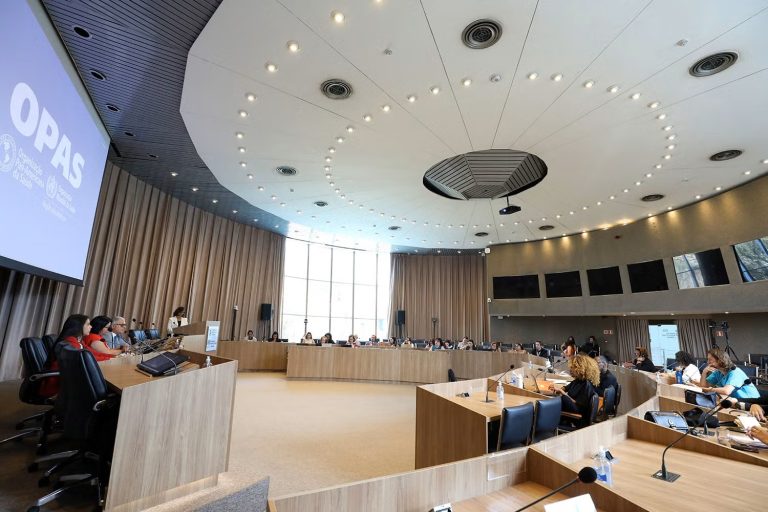
The support provides for structured dialogue with the public authorities and existing policies, as it involves municipal secretariats, councils, and public schools in the listening process and the formulation of the curricular proposal, with the direct participation of professionals and technicians from these bodies, in addition to alignment meetings with the secretariats of Education, Environment, Social Assistance, Food Security, and Human Rights, the PNAE Directorate, and municipal councils. There is also explicit adherence to current regulatory frameworks and policies, such as the National Common Curricular Base (BNCC), the Law of Guidelines and Bases of Education (Law 14.679/23), and PNAE itself. Beyond institutional dialogue, the project aims to influence public arrangements and instruments by supporting the development of a safeguard policy for municipal education networks, the insertion of project themes into schools’ political-pedagogical projects, and the coordination of intervention plans and intersectoral actions in the territory based on the findings of the applied territorial research.