





About the organization
Serenas Association is a non-profit civil society organization, founded and run by women, that works to prevent gender-based violence in Brazil through education. Its origins are linked to the life stories of real women, and the organization’s name itself pays tribute to Serena Farkas, an ancestral reference for co-founder Amanda Sadalla. Serenas carries out its work across three complementary fronts: education for prevention, training public officials to provide humanized support to survivors, and knowledge production and advocacy to strengthen public policies and public debate. Headquartered in São Paulo, the organization combines place-based initiatives, such as in Alagoas and Rio de Janeiro, with nationwide actions and international partnerships, consolidating itself as a strategic organization in promoting rights, confronting gender-based violence against girls and women, and building safer environments, especially in the education sector.
Socioeconomic context
Brazil is experiencing a context of social inequalities and structural violence that disproportionately affects girls and adolescents, especially Black girls and those living in vulnerable territories. According to the 19th Brazilian Public Security Yearbook (2025), crimes against children and adolescents increased across all age groups compared to 2023, including a 9.6% rise in reports of assault resulting from domestic violence among girls aged 10 to 13 and a 7.8% increase among adolescents aged 14 to 17. The country also recorded 87,545 cases of rape and rape of a vulnerable person in 2024, with female victims accounting for 87.7% of cases—the highest number in the historical series. Girls and adolescents (aged 0 to 17) represent 77.7% of cases, underscoring the urgency of prevention and strengthening the rights guarantee system.
In this context, it is urgent to strengthen initiatives aimed at preventing gender-based violence from early childhood. The study Free to Dream?, conducted by Serenas and Plano CDE, shows that gender-based violence permeates even everyday school life and affects the well-being, retention, and educational trajectories of girls and adolescents. The study highlights that schools and education professionals still face difficulties in preventing and responding to violence, reinforcing the need for educator training, stronger protection networks, and the promotion of safer, more welcoming environments committed to gender equity.
Project objective
Institutional Support: Contribute to ensuring that girls and women live free from discrimination, oppression, and gender-based violence, through humanized solutions for prevention, support, and public advocacy. Its programs and projects therefore seek to strengthen protection networks, improve institutional responses, and expand the capacity to prevent gender-based violence across different territories and public policies.
Partners
| Year | Public | Civil society/private sector | Community/territory | International |
|---|---|---|---|---|
| 2022 | São Paulo State Department of Education | Funders: INFINIS/FJLS; Arco Instituto; Instituto Lemann Implementation: Brazilian Coalition to End Violence against Children and Adolescents | State of São Paulo; Municipality of São Paulo (Cidade Tiradentes) | UNICEF |
| 2023 | Pará State Department of Education; Pará State Department for Women | Funders: INFINIS/FJLS; Instituto Beja; Associação Bem Comum Implementation: Girl Up Brasil; Instituto Claret | Municipality of São Paulo (Cidade Tiradentes; Pirituba, Brasilândia, Perus, and central São Paulo) | UNICEF |
| 2024 | Alagoas Department of Education; Alagoas Department for Women and Human Rights; Ministry of Women; Social Communication Secretariat of the Presidency of the Republic; National School of Public Administration | Funders: INFINIS/FJLS; Instituto Beja; Instituto Machado Meyer; Movimento Bem Maior; Bloomberg Implementation: Hivos; Plano CDE; Nova Escola; Mapa do Acolhimento | State of Alagoas | Funder: Canada Fund for Local Initiatives (CFLI); British Embassy (FCDO and DAP) |
| 2025 | State Departments for Women, Education, and Health of Rio de Janeiro; National School of Public Administration; Ministry of Health (PSE); . Ministry of Education and Social Communication Secretariat of the Presidency of the Republic. | Funders: INFINIS/FJLS; Instituto Beja; Instituto Machado Meyer; Instituto Galo da Manhã; Movimento Bem Maior Bloomberg Implementation: Plano CDE; Nova Escola; Hivos; Goethe-Institut | State of Rio de Janeiro | Funder: Canada Fund for Local Initiatives (CFLI); British Embassy (DAP); Center for Exponential Change; Co-Impact |
| 2026/27 | Ministry of Education; Social Communication Secretariat of the Presidency of the Republic; State Departments for Women, Education, and Health of Rio de Janeiro; Department of Education | Funder: INFINIS; Instituto Beja; Instituto Machado Meyer; Instituto Galo da Manhã | State of Rio de Janeiro; State of Sergipe; State of Roraima; Municipality of Cuiabá; Municipality of Maricá; Municipality of Eldorado do Sul; Municipality of Ibirité | Funder: Co-Impact; Fondation CHANEL; Imaginable Futures |
Dialogue with public policies
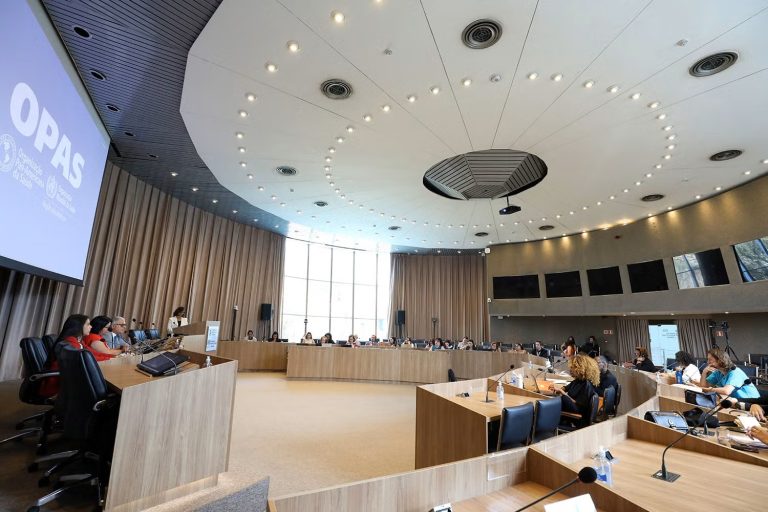
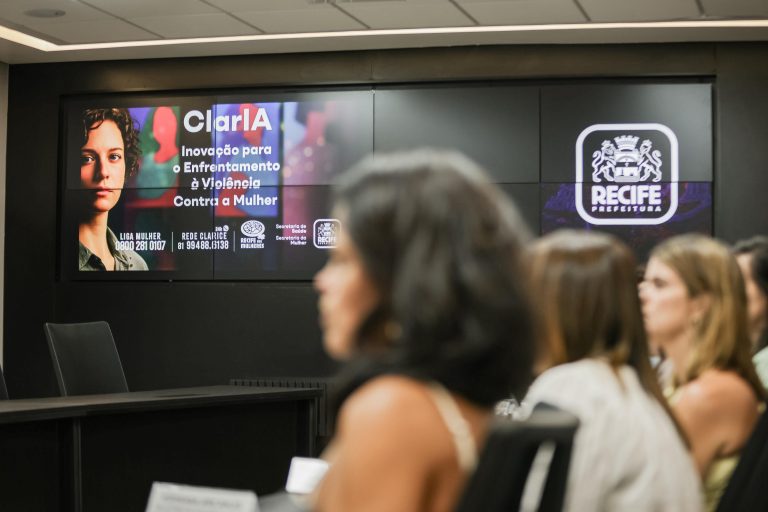
Serenas’ work includes structured dialogue with government and advocacy focused on existing public policies, especially in the areas of education, health, protection, and human rights. The organization develops programs in partnership with state governments and departments, participates in working groups and committees with federal bodies, and contributes to the design, review, and implementation of policies and public service arrangements aimed at preventing gender-based violence and providing support to girls and women.