






About the Organization
The Brazilian Public Security Forum (FBSP) is a non-governmental, non-partisan, non-profit organization founded in 2006 that brings together researchers, public security professionals, managers, activists and civil society representatives to qualify the public debate and support the formulation of evidence-based policies. Its work combines knowledge production, data systematization, institutional advocacy and the promotion of dialogue between different sectors, with its main deliverables being the Brazilian Public Security Yearbook, the Atlas of Violence and the FBSP Annual Meeting. Since 2020, the organization has incorporated violence against children and adolescents as a strategic axis, helping to increase the visibility of the issue and strengthen national monitoring of indicators related to the protection of this population.

Socioeconomic Context
In Brazil, violence against children and adolescents is part of a scenario of worsening violations inside and outside the home, with an increase in records even in a context of an overall decline in violent deaths in the country. According to the 19th Brazilian Public Security Yearbook, in 2024 2,356 intentional violent deaths of children and adolescents aged 0 to 17 were recorded, an increase of 3.7% compared to 2023, with states in the Northeast (33.8/100,000 inhabitants) and North (27.7/100,000 inhabitants) regions showing results above the national average (20.8/100,000 inhabitants). While the overall homicide rate fell by 5.4% in 2024, deaths of adolescents aged 12 to 17 increased by 4.2%, driven by the alarming rise in deaths due to police intervention. The victims’ profile reveals the structural dimension of this violence: 92.4% are boys and 83.6% are Black. In the same period, non-lethal crimes against this population also increased, such as abandonment of a vulnerable person (+9.4%), ill-treatment (+8.1%), assault resulting from domestic violence (+7.8%) and the production and distribution of child sexual abuse material (+14.1%). Sexual violence remains one of the most critical issues: the country recorded 87,545 victims of rape and rape of a vulnerable person in 2024, the highest volume in the historical series. When analyzing perpetrators, 65.7% of cases occurred at home, with 45.5% involving family members and 20.3% involving intimate partners or former intimate partners. There was also a significant increase in school calendar interruptions due to violence, rising from 1% in 2021 to 3.6% of Brazilian schools in 2023. This scenario highlights the urgency of strengthening data production and national monitoring to enable evidence-based advocacy, with a view to improving policies for prevention, accountability and the comprehensive protection of children and adolescents.
Project Objective
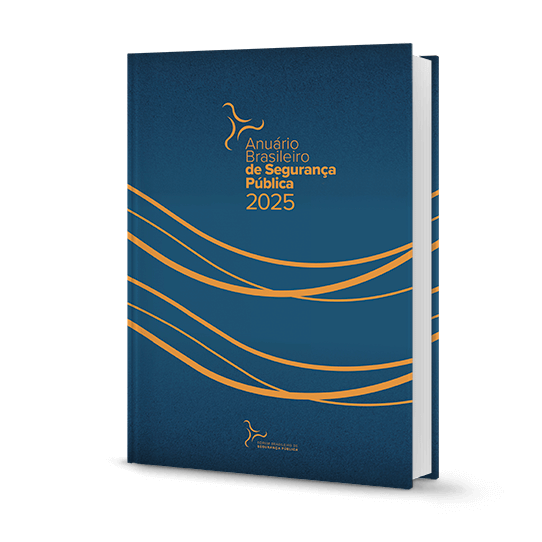
The objective of this support is to enable the production of the special section on violence against children and adolescents in the Brazilian Public Security Yearbook, consolidating national data and qualified analyses on different forms of violence affecting this population. The initiative seeks to strengthen the monitoring of indicators such as intentional violent deaths, rape of a vulnerable person, domestic violence, child sexual exploitation, bullying, cyberbullying and crimes related to the production and circulation of child sexual abuse material, as well as to incorporate information on children and adolescents threatened with death. In doing so, the project aims to increase public visibility of the problem, qualify the debate based on evidence and provide support to governments, civil society, the press and other strategic actors in formulating more effective prevention and protection policies.
Partners

Dialogue with Public Policies
The project provides for dialogue with public authorities and serves as an evidence base to qualify advocacy actions in public policies, as it is based on the collection, systematization and analysis of administrative data produced by government bodies, especially records from the Federative Units. In addition to producing evidence on violence against children and adolescents, the support seeks to qualify the public debate, increase the transparency of indicators, support prevention and protection strategies and support the formulation or improvement of public policies focused on childhood and adolescence. This alignment also connects with the FBSP’s institutional work, which combines knowledge production, political and institutional advocacy, the promotion of dialogue and the proposal of public policies.