





About the organization
UNICEF is the United Nations Children’s Fund, responsible for promoting and protecting the rights of children and adolescents so they can reach their full potential; it operates in more than 190 countries and focuses its work on structural areas such as health, nutrition, education, protection against violence, social protection, and response to contexts of vulnerability, with a focus on reducing inequalities and expanding access to essential services. Among UNICEF’s different areas of action in Health in Brazil, we highlight the strengthening of initiatives related to immunization, indigenous health, comprehensive adolescent health, as well as the cross-cutting area of evidence generation.
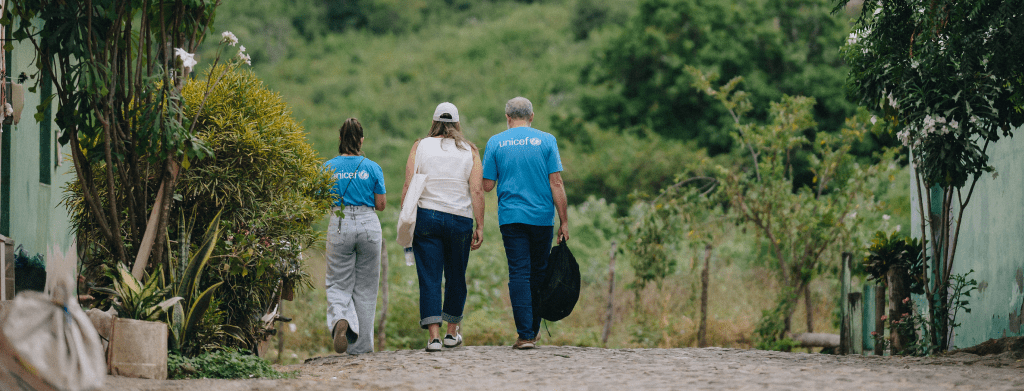
Socioeconomic context
The UNICEF Health Program in Brazil concentrates its priority action in the Legal Amazon and the Brazilian Semi-Arid Region, areas marked by profound social inequalities, territorial vulnerabilities, and greater difficulties in accessing essential public services for children and adolescents. In these territories, challenges such as low vaccination coverage, food insecurity, child malnutrition, mental health problems, adolescent pregnancy, and limitations in access to primary care disproportionately affect indigenous, riverside, quilombola, and remote rural populations. In light of this scenario, UNICEF structured its Country Program 2024–2028 with a focus on strengthening public policies for immunization, indigenous health, nutrition, and comprehensive adolescent health, in addition to improving basic health services in vulnerable municipalities supported by the UNICEF Seal. The strategy combines evidence generation, professional training, strengthening primary care, and implementation of innovative solutions to expand access and continuity of care in hard-to-reach areas, especially in the Amazon region.
Project objective
Expand UNICEF’s work in Brazil in central areas of child and adolescent health, with priority for immunization, indigenous health, comprehensive adolescent health, and evidence generation, expanding coverage, service quality, and response capacity in the most vulnerable territories, in addition to supporting advocacy actions and knowledge production to sustain more consistent improvements in public policies and access to healthcare.
Dialogue with public policies
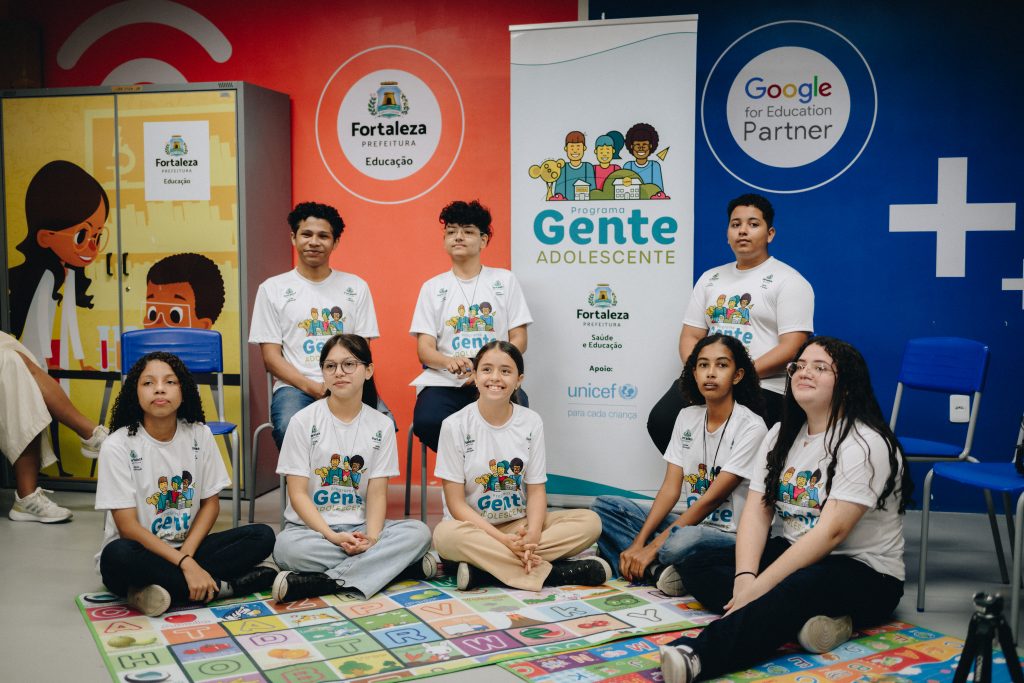
Dialogue with public authorities is central to UNICEF’s strategies, especially through support for local implementation of SUS strategies and the National School Vaccination Program, improvement of primary healthcare, strengthening the capacities of managers and public teams, engaging adolescents in the design and implementation of public management actions, and using advocacy and evidence to induce improvements in policies, services, and decision-making; the focus, however, is more on improving and influencing public policies and services than on directly promoting the creation of new laws.