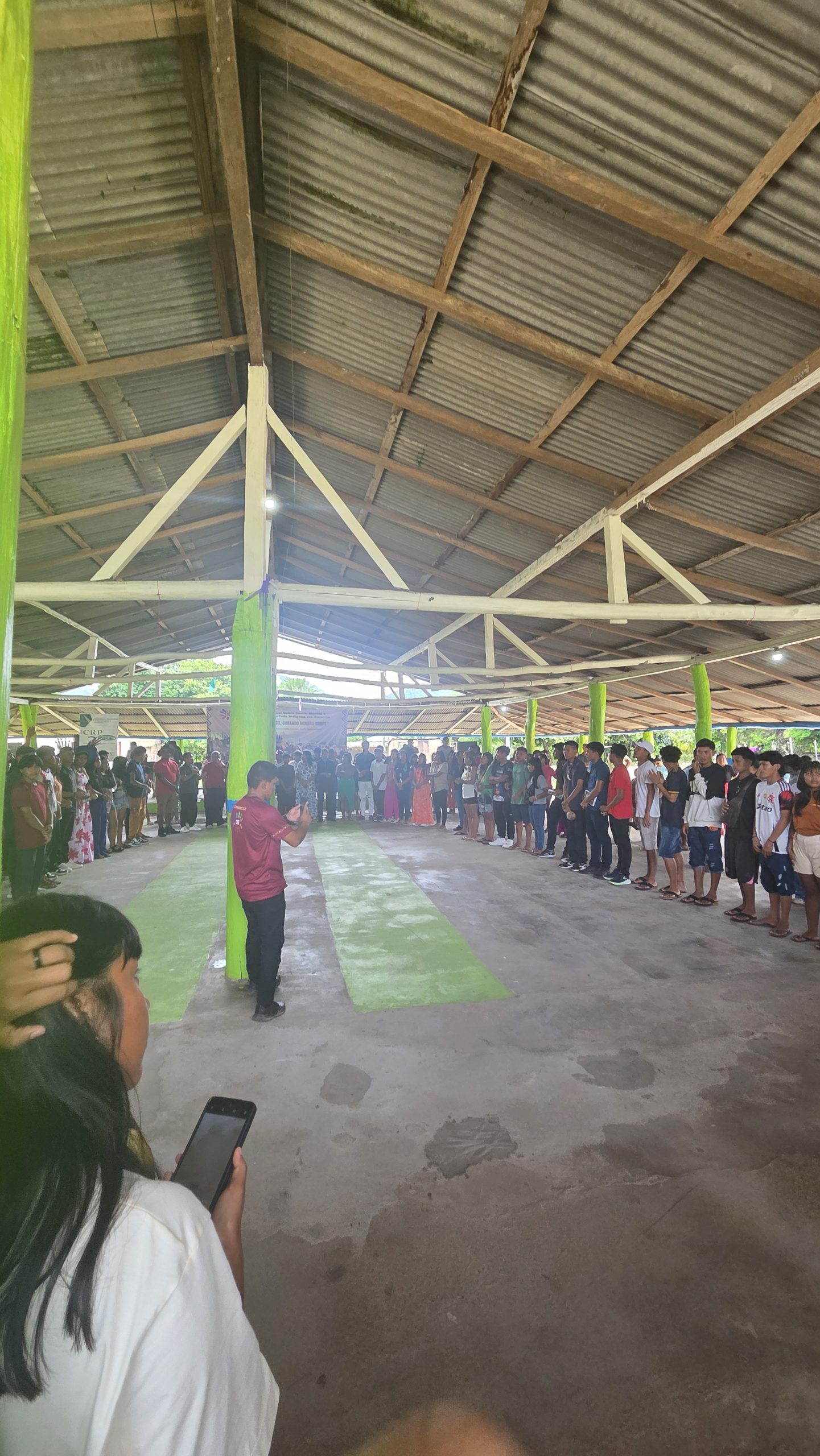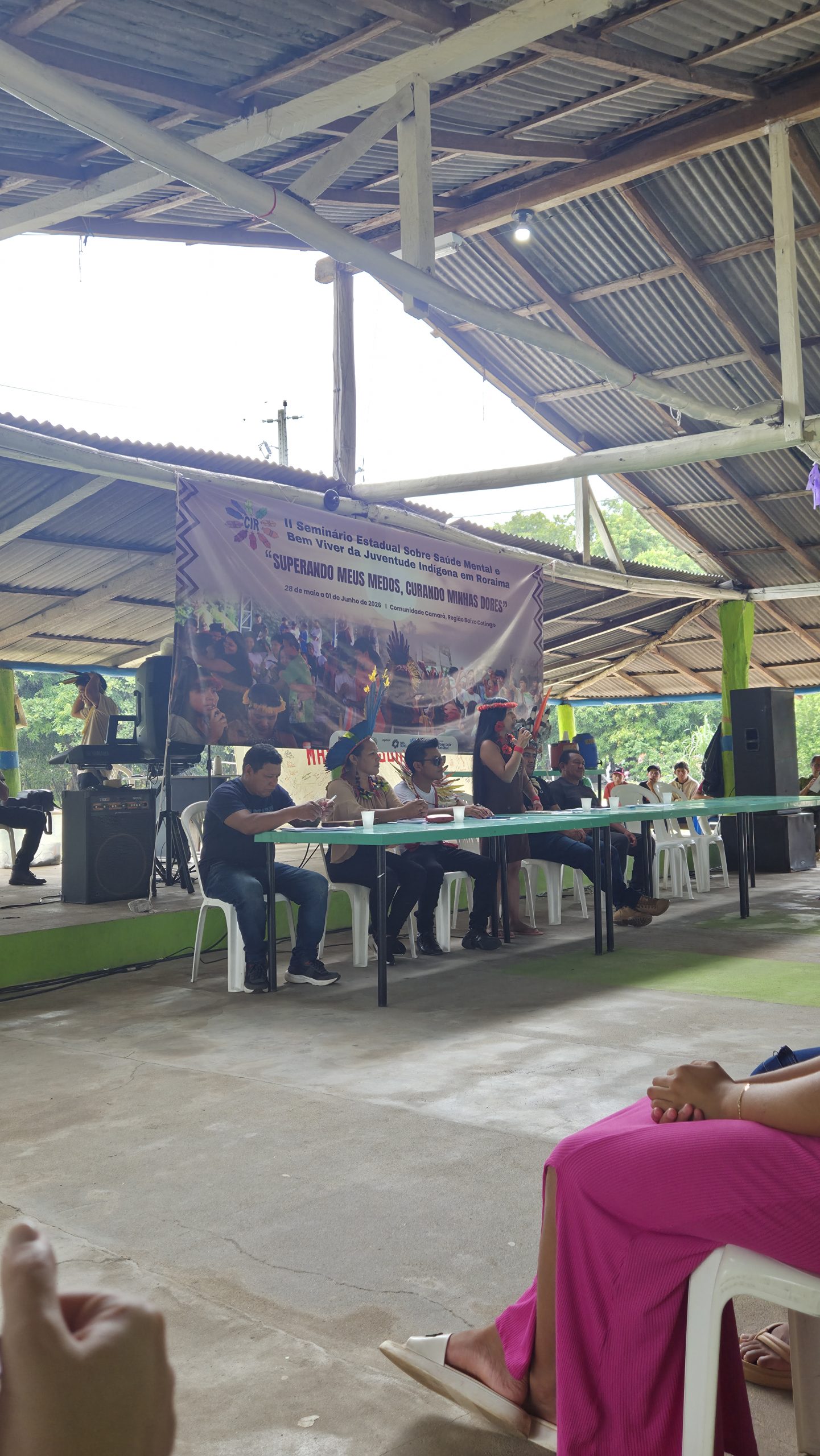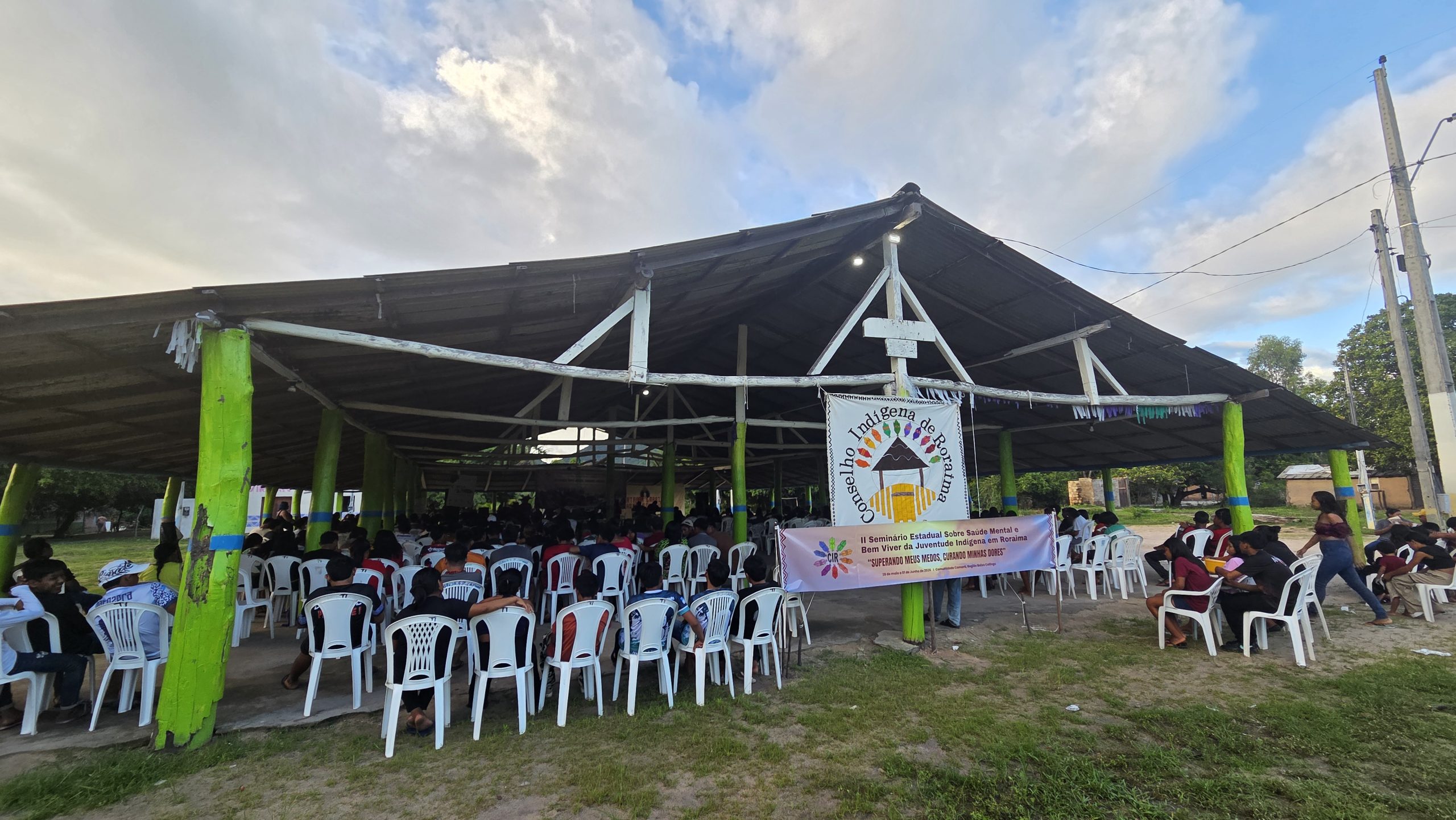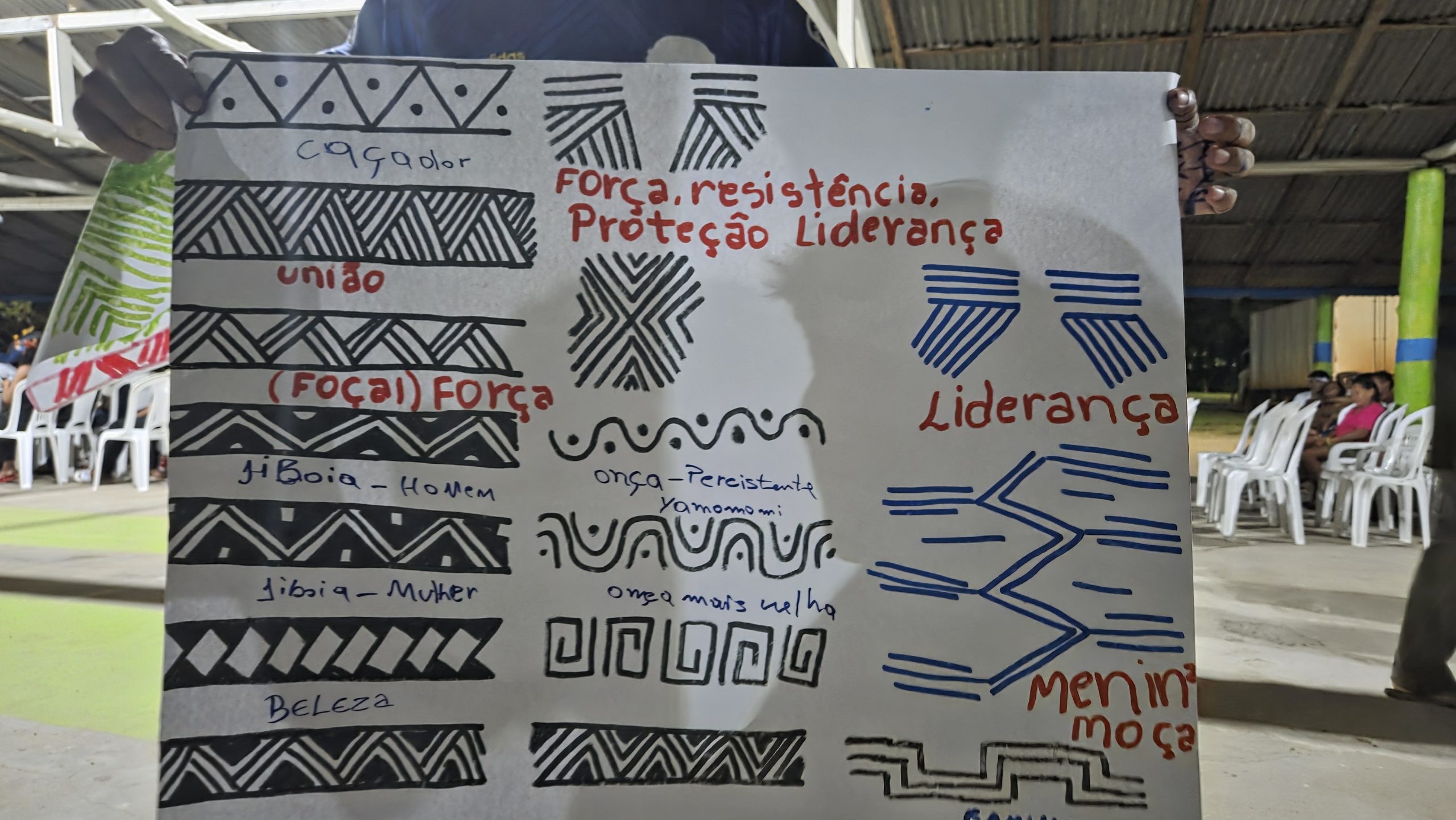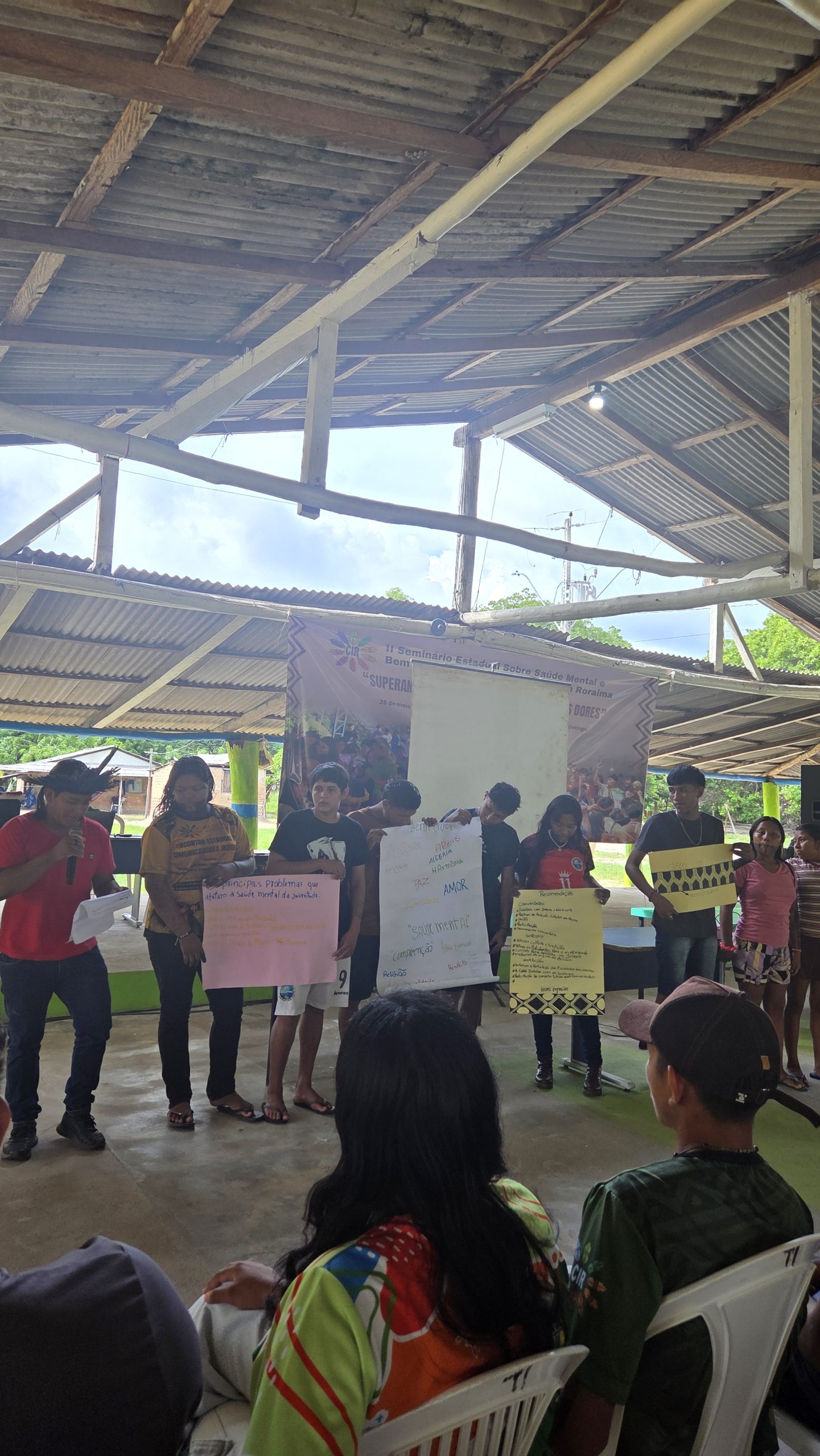






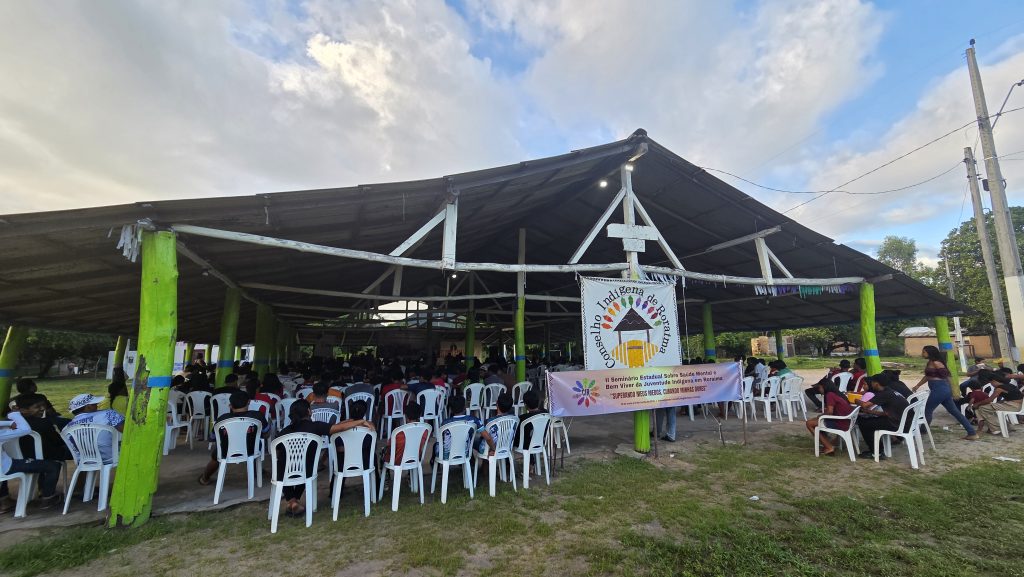
The José Luiz Setúbal Foundation supported the holding of the II State Seminar on Mental Health and Well-being of Indigenous Youth in Roraima, promoted by the Youth Department of the Indigenous Council of Roraima (CIR) between May 28 and June 1, 2026. The meeting brought together approximately 240 young indigenous people from different regions of the state to discuss challenges related to mental health and build proposals aimed at promoting well-being in the communities.
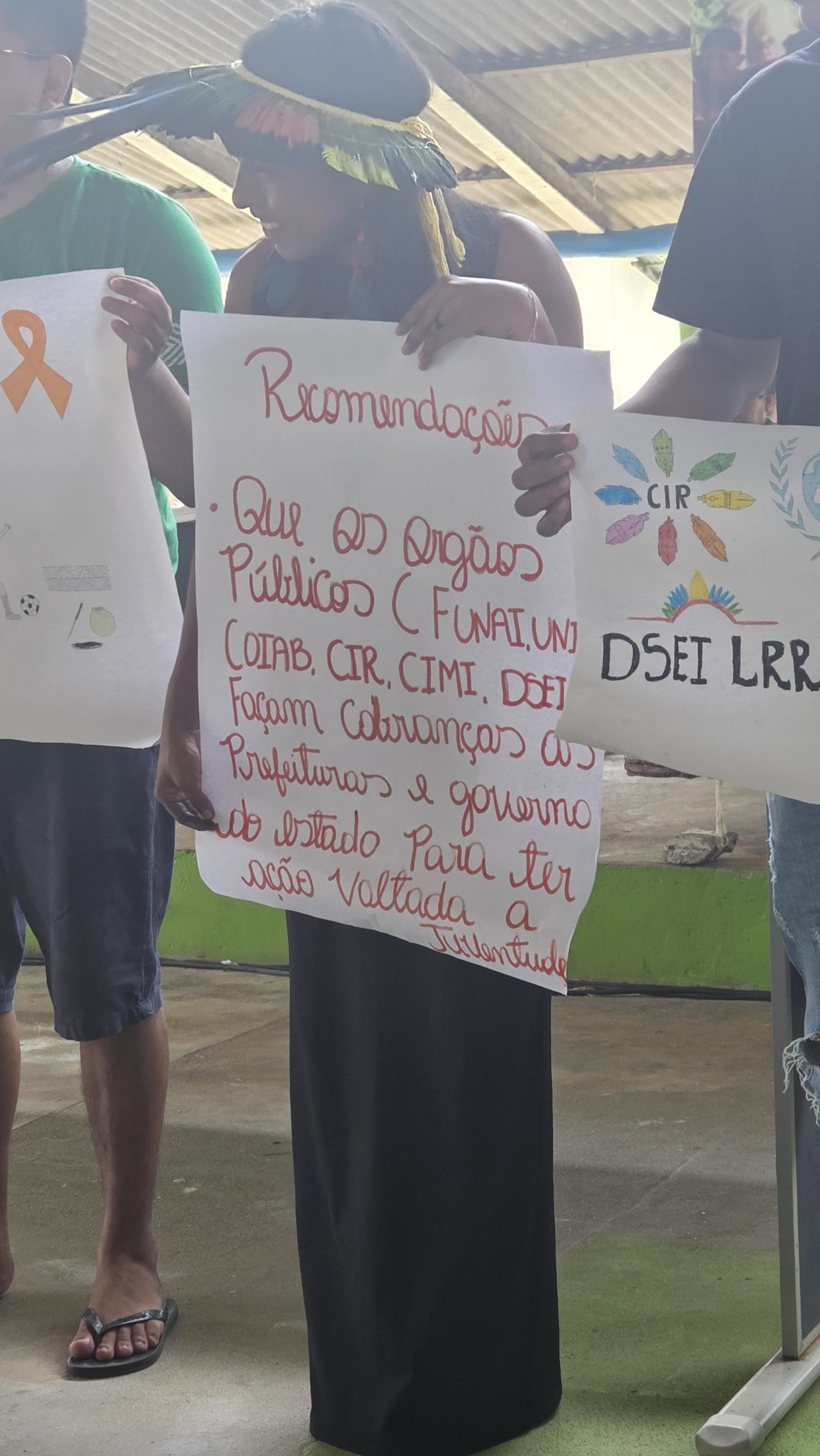
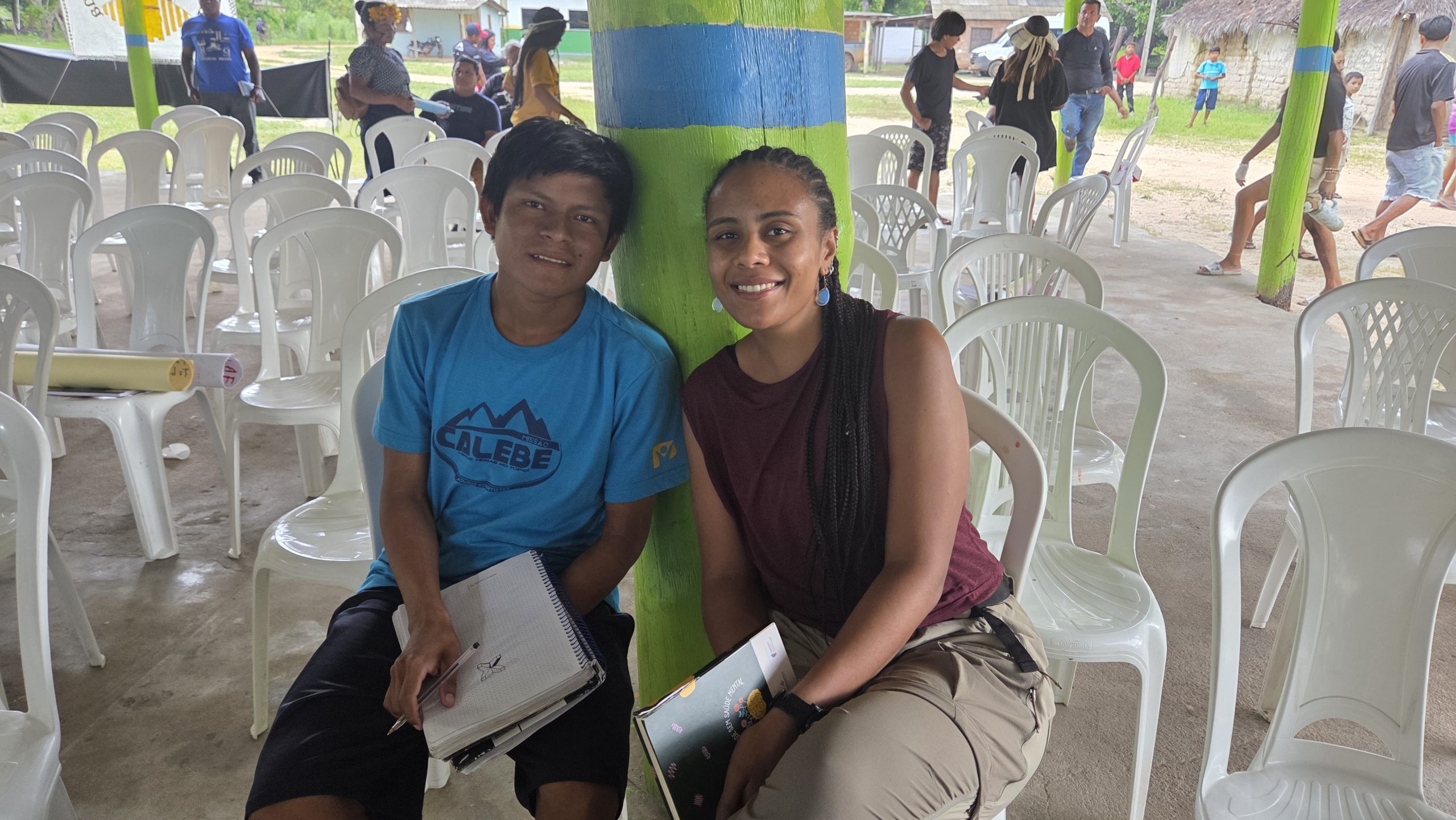
As a result of the seminar, a booklet of recommendations will be prepared to serve as a resource for public policies and community actions, reflecting the demands, perspectives, and proposals of the indigenous youth of Roraima. Representing the José Luiz Setúbal Foundation, Amanda Gregorio, project analyst at Infinis, and Ana Bersani, anthropologist and one of the lead researchers at the Pensi Institute, participated in the event.
The seminar takes place in a context of significant challenges for indigenous youth. According to the 2022 Census, half of the Brazilian indigenous population is under 25 years old, revealing an age structure younger than the national average and reinforcing the importance of public policies aimed at this demographic.
Despite their demographic, social, and cultural relevance, indigenous youth still face historical obstacles related to access to education, health, social protection, and political participation.
In Roraima, the state with the highest proportion of indigenous population in the country (15.3% of the total population), these challenges are aggravated by territorial conflicts, the presence of illegal mining, violence against indigenous leaders, the recruitment of youth for illicit activities, racism, and weaknesses in the provision of public services in remote areas.
The scenario is also marked by high rates of violence. Recent data indicates that Roraima recorded the highest number of murders of indigenous people in Brazil in 2024, contributing to collective feelings of insecurity, fear, and grief in various communities.
In this context, mental health has become a growing concern. Studies indicate that indigenous youth are 2.7 times more likely to commit suicide compared to the average Brazilian population. Indigenous organizations and local partners also report an increase in situations of psychological distress among adolescents and young people.
“The seminar showed that mental health challenges among indigenous youth are deeply related to the transformations affecting their territories and ways of life. For the Pensi Institute, experiences like this are fundamental to qualifying the production of knowledge and expanding the capacity to understand health and well-being from concrete realities. The discussions held throughout the meeting also highlighted the capacity of the communities themselves to produce reflections, strategies, and paths of care based on their knowledge and experiences. This is a principle that guides the research developed by our Laboratory: to build knowledge in dialogue with the people directly affected by the challenges we seek to understand,” highlights anthropologist Ana Elisa Bersani.
Furthermore, the geographical distance between communities and health services, the shortage of specialized professionals, and the need for culturally appropriate approaches still limit access to mental health care.
For Infinis, initiatives like this reinforce the importance of supporting organizations that operate directly in the territories, especially in contexts where the presence of the State and other institutions is limited. By strengthening indigenous grassroots organizations, which possess contextual knowledge and legitimacy within the communities, it is possible to increase the impact of their agendas and enhance the reach of their actions in the defense of rights.
“Supporting initiatives like this means strengthening the protagonism of indigenous youth in building solutions to the challenges affecting their territories. By promoting spaces for listening, participation, and collective construction, Infinis reaffirms its commitment to promoting the health and well-being of children, adolescents, and young people, valuing the knowledge, cultures, and forms of organization of the communities,” highlights Amanda Gregorio, project analyst at Infinis.