






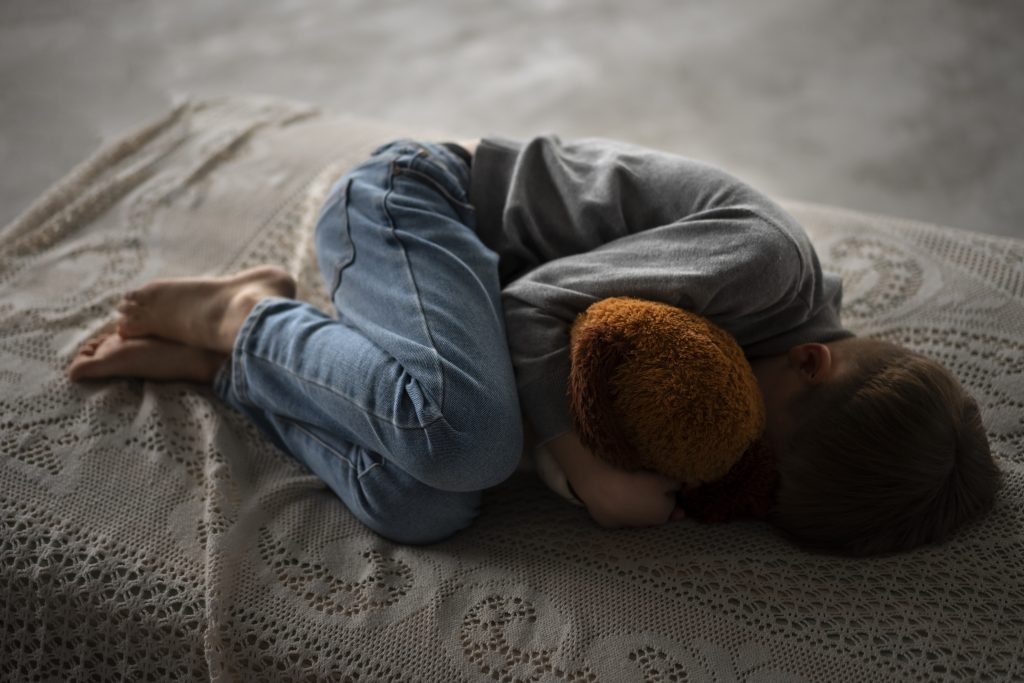
Would you know what to do if you witnessed a child being assaulted? What if you heard constant screaming coming from the neighboring apartment? Or noticed that an adolescent is being humiliated, threatened, or exploited?
Unfortunately, many people still do not know how to act in these situations. According to the survey “Attitudes and perceptions about childhood and violence against children and adolescents”, conducted by the Healthy Childhood is the Future Institute (Infinis) in partnership with Quaest (2026), 62% of Brazilian adults state they would do nothing when witnessing a situation of violence against children and adolescents. At the same time, data from the Public Security Yearbook (2026) show an alarming scenario: between 2021 and 2025, reports of maltreatment grew by 106.1%, and 59.1% of the victims were between 0 and 9 years old.
Although 91% of the population supports dialogue as a way of educating (Infinis; Quaest, 2026), violence is still part of the reality for thousands of Brazilian children and adolescents. Breaking this cycle depends on public policies, strengthening protection networks, and also the actions of every citizen.
Reporting is not an individual choice: it is a way to protect those who, often, cannot ask for help.
What situations are considered violence against children and adolescents?
Violence against children and adolescents can take different forms and does not always leave visible marks. Recognizing its main types, understanding what each includes, and identifying possible warning signs are fundamental steps to prevent violations, interrupt cycles of violence, and ensure integral protection. The following table gathers essential information to support this attentive look.
| Type of violence | What it includes | Examples | How to recognize — possible signs |
|---|---|---|---|
| Physical violence | Intentional use of physical force that causes pain, injury, suffering, or risk to life. | Slapping, punching, kicking, burns, beating, shaking babies, physical punishment, torture, attempted homicide, and homicide. | Bruises, burns, or fractures without a coherent explanation; frequent injuries; fear of certain adults; excessive startling; attempts to hide the body; reports of aggression; resistance to going home. |
| Sexual violence | Any sexual act or interaction involving a child or adolescent, with or without physical contact. It can occur in person or over the internet. | Statutory rape, inappropriate touching, exposure to sexual acts, harassment, commercial sexual exploitation, production or sharing of abuse images, digital solicitation, and grooming. | Sexual knowledge or behavior incompatible with age; pain, injuries, or infections in the genital area; pregnancy; fear of a certain person; isolation; nightmares; sudden changes in behavior; unexplained gifts or money; attempts to hide digital conversations. |
| Psychological or emotional violence | Repeated behaviors that harm the self-esteem, emotional security, and development of the child or adolescent. | Humiliation, threats, rejection, intimidation, blackmail, name-calling, isolation, ridicule, discrimination, manipulation, and constant exposure to family conflicts. | Anxiety, sadness, low self-esteem, intense fear of making mistakes, withdrawal, aggressiveness, changes in sleep or eating habits, drop in school performance, behavioral regression, and very negative self-talk. |
| Neglect | Lack of care necessary for development when guardians have the means to provide it or seek help. It can be physical, emotional, educational, or health-related. | Lack of food, hygiene, supervision, vaccination, medical care, protection, affection, or school attendance; leaving young children alone for long periods. | Frequent hunger; clothing inappropriate for the weather; constantly poor hygiene; untreated illnesses or injuries; recurring school absences; developmental delay; fatigue; child caring for younger siblings alone. |
| Abandonment | Unjustified absence or breakdown of the care and protection owed to the child or adolescent. | Abandonment at home, hospitals, streets, or institutions; expulsion from home; leaving a young child without a guardian. | Child found unaccompanied; prolonged absence of guardians; lack of a reference adult; reports of being kicked out of the house; staying in dangerous places without supervision. |
| Intrafamiliar violence | Violence practiced in the family environment or by someone who exercises a role of care, authority, or close proximity. It can be physical, sexual, psychological, or neglect. | Aggression by parents, stepfathers, stepmothers, guardians, siblings, or other family members; sexual abuse; threats; neglect. | Fear of going home; change in behavior in the presence of a certain family member; unconvincing justifications for injuries; excessive silence; attempts to protect the aggressor; contradictory stories imposed by adults. |
| Institutional violence | Action or omission by institutions or professionals that causes suffering, discrimination, exposure, or prevents access to rights. | Humiliating service, undue refusal of service, victim-blaming, exposure of identity, unnecessary repetition of the account, discriminatory treatment, or abusive use of force. | Fear or refusal to seek services; emotional worsening after service; reports of humiliation or discredit; public exposure of the case; undue circulation of images and personal information. |
| School violence and bullying | Intentional and repeated aggression, in person or virtual, marked by an imbalance of power. | Offensive nicknames, exclusion, threats, physical aggression, stalking, spreading rumors, racism, ableism, LGBTphobia, and cyberbullying. | Refusal or fear of going to school; loss of objects; damaged clothes or materials; drop in performance; isolation; physical symptoms before classes; exclusion from groups; offensive messages; distress after using social networks. |
| Digital violence | Practices carried out through digital means that threaten, embarrass, exploit, or expose children and adolescents. | Cyberbullying, threats, blackmail, data exposure, disclosure of intimate images, sextortion, fake profiles, solicitation, and encouragement of dangerous challenges. | Secretive or distressed use of the phone; fear after receiving messages; sudden deletion of social media; unknown contacts; requests to send photos; receiving gifts; blackmail; sudden mood changes after accessing the internet. |
| Commercial sexual exploitation | Use of children or adolescents in sexual activities in exchange for money, goods, favors, protection, or any benefit, including for third parties. | Offering sexual relations, production of sexual content, exploitation in travel and tourism, nightclubs, or digital environments. | Money, clothes, trips, or gifts without an explained origin; relationship controlled by an older adult; frequent absences; staying in unknown locations; fear, surveillance, or threats; sudden changes in routine. |
| Child labor exploitation | Work performed below the permitted age or in prohibited, dangerous, unhealthy, nighttime, or harmful conditions for development. | Intense domestic work, street vending, dangerous agricultural activities, work in landfills, civil construction, drug trafficking, or sexual exploitation. | Constant fatigue; school absences or dropout; work-related injuries; responsibilities incompatible with age; long working hours; staying in dangerous places; mandatory delivery of money to adults. |
| Trafficking of children and adolescents | Recruitment, transportation, transfer, housing, or control for the purposes of exploitation. | Sexual exploitation, forced labor, servitude, illegal adoption, criminal activities, or organ removal. | Unexplained travel; withheld documents; adult controlling speech and movements; child not knowing where they are; impossibility of contact with family; intense fear; rehearsed or inconsistent stories. |
| Self-inflicted violence | Self-harm or risky behaviors practiced by the child or adolescent themselves, generally associated with emotional suffering. It should not be treated as “attention-seeking”. | Cuts, self-provoked burns, poisoning, attempted suicide, and deliberately dangerous behaviors. | Repeated and hidden injuries; use of clothing to cover the body even in the heat; talk about death, guilt, or hopelessness; goodbyes; giving away personal objects; isolation; researching methods; intense mood changes. |
| Witnessed violence | Exposure of the child or adolescent to situations of violence between family members or close people, even when they are not directly assaulted. | Witnessing domestic violence, threats, destruction of objects, physical aggression, or violence against siblings and caregivers. | Constant fear; hypervigilance; difficulty sleeping; anxiety; aggressiveness; attempts to protect family members; reproduction of violence in play; drop in performance and behavioral regression. |
How to report?
If you suspect or witness a situation of violence, it is not necessary to have proof to make a report. It is enough that there are indications or a situation that deserves to be investigated by the competent authorities.
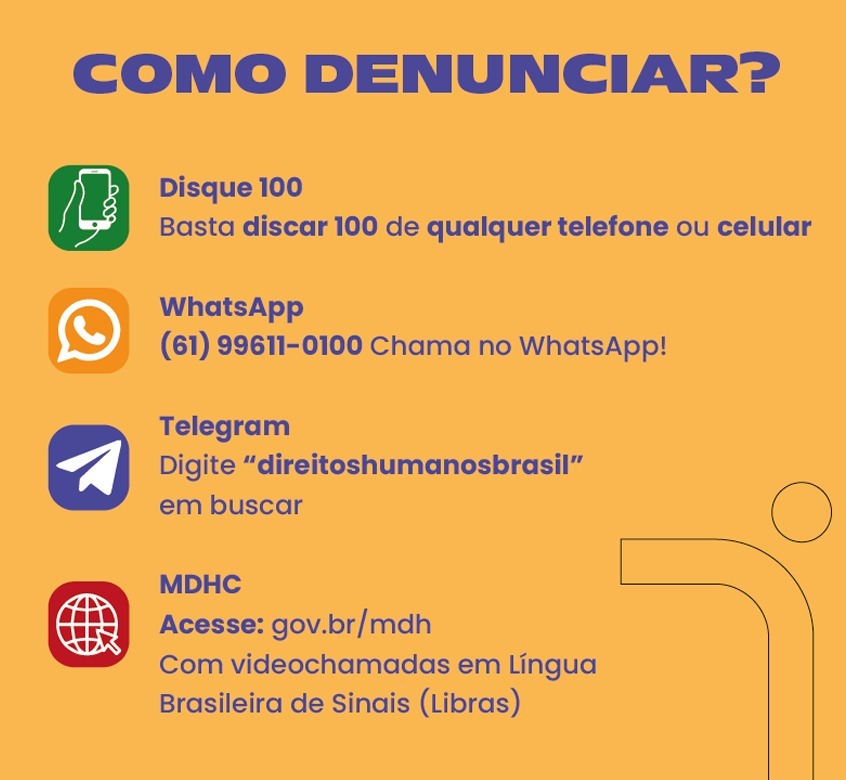
The main national channel is Dial 100, a free service available 24 hours a day, including weekends and holidays.
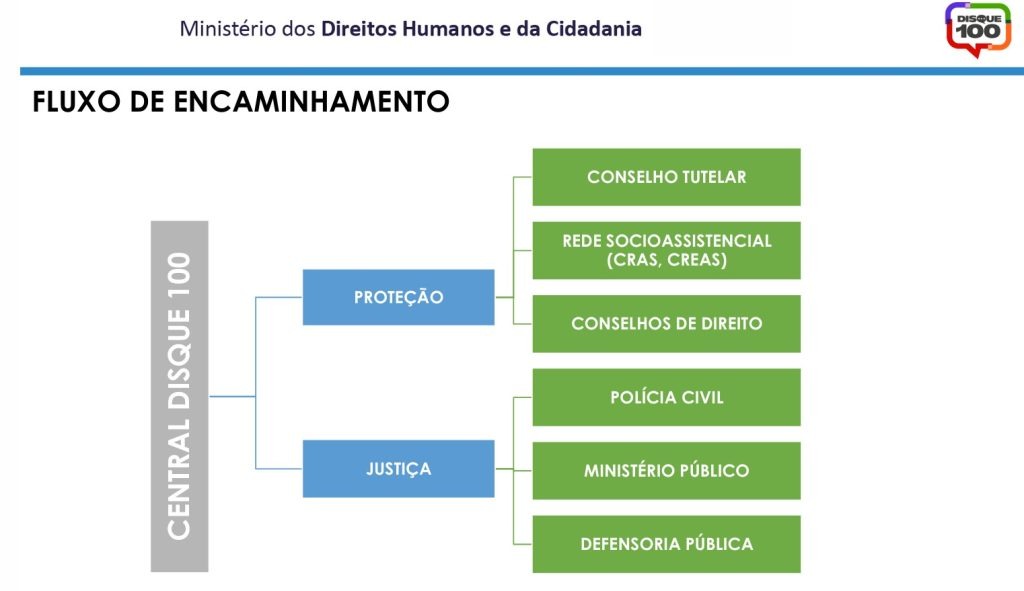
Reports will be forwarded to the competent authorities and to the child and adolescent protection network services in the municipality where the violence occurred, according to the needs of each case. These include the Guardianship Council, the Police Station, the Public Prosecutor’s Office, the Social Assistance Reference Center (CRAS), and the Specialized Social Assistance Reference Center (CREAS).
The more information provided, the greater the possibility of investigation. Whenever possible, provide:
– A detailed description of what happened;
– Who the people involved are or characteristics that help with identification;
– The location where the violence occurred, with the address, neighborhood, city, or some point of reference.
If the situation represents an immediate risk to the life of the child or adolescent, call the Military Police (190).
Protecting children is the responsibility of the entire society
Violence against children and adolescents is not a private problem. It affects the entire society and compromises the development, health, and future of millions of Brazilians.
By recognizing the signs, welcoming victims, and reporting situations of violence, every citizen strengthens the protection network provided by the Statute of the Child and Adolescent (ECA).
Information saves lives. Share this content and help more people know how to act in a situation of violence.
Sources consulted for the preparation of the material:
Own preparation, based on the Statute of the Child and Adolescent (Law No. 8,069/1990), Law No. 13,431/2017, the Care Line for Integral Health Care for Children, Adolescents, and their Families in Situations of Violence (Ministry of Health, 2010), the INSPIRE strategies (WHO, 2016), and publications from the World Health Organization (WHO), UNICEF, and the Brazilian Society of Pediatrics. See below the details of the materials consulted:
BRAZILIAN COALITION FOR THE END OF VIOLENCE AGAINST CHILDREN AND ADOLESCENTS; VITAL STRATEGIES; JOSÉ LUIZ EGYDIO SETÚBAL FOUNDATION; BRAZIL. Ministry of Human Rights and Citizenship. Monitoring strategies for the end of violence against children and adolescents: adaptation of INSPIRE indicators for Brazil. São Paulo: Vital Strategies, 2025. Available at: https://www.vitalstrategies.org/wp-content/uploads/Publicacao-Monitoramento-de-Estrategias-pelo-Fim-da-Violencia-contra-Criancas-e-Adolescentes.pdf
BRAZIL. Law No. 8,069, of July 13, 1990. Statute of the Child and Adolescent (ECA). Brasília: Presidency of the Republic, 1990. Available at: https://www.planalto.gov.br/ccivil_03/leis/l8069.htm
BRAZIL. Law No. 13,431, of April 4, 2017. Establishes the system of guarantee of rights for children and adolescents who are victims or witnesses of violence. Brasília: Presidency of the Republic, 2017. Available at: https://www.planalto.gov.br/ccivil_03/_ato2015-2018/2017/lei/l13431.htm
BRAZILIAN PUBLIC SECURITY FORUM (FBSP). Brazilian Public Security Yearbook 2026. 20. ed. São Paulo: Brazilian Public Security Forum, 2026. Available at: https://forumseguranca.org.br/publicacoes/anuario-brasileiro-de-seguranca-publica/
INFINIS – Healthy Childhood is the Future Institute; QUAEST. Survey on Attitudes and Perceptions about Childhood and Violence against Children and Adolescents – 2nd edition. São Paulo, 2026.
MINISTRY OF HEALTH. Care Line for Integral Health Care for Children, Adolescents, and their Families in Situations of Violence. Brasília: Ministry of Health, 2010. Available at: Care line for integral health care for children, adolescents, and their families in situations of violence: guidance for managers and health professionals — Ministry of Health
MINISTRY OF HUMAN RIGHTS AND CITIZENSHIP. Guide for the Protection of Children and Adolescents. Brasília: MDHC. (Documents and materials on the Rights Guarantee System and Dial 100.) Available at: Dial 100 — Ministry of Human Rights and Citizenship
WORLD HEALTH ORGANIZATION (WHO). World Report on Violence and Health. Geneva: WHO, 2002. Available at: World report on violence and health
UNICEF. Hidden in Plain Sight: A Statistical Analysis of Violence against Children. New York: UNICEF, 2014. Available at: Hidden in Plain Sight: A statistical analysis of violence against children – UNICEF DATA
BRAZILIAN SOCIETY OF PEDIATRICS (SBP). Documents from the Scientific Department of Safety and Accident Prevention and of Developmental and Behavioral Pediatrics on violence against children and adolescents. Available at: Scientific Documents – Brazilian Society of Pediatrics