






In a country marked by inequalities like Brazil, communication is a fundamental instrument for social transformation. Informing responsibly, making evidence accessible, and giving visibility to rights violations are ways to expand society’s capacity to recognize injustices and act to face them.
These violations affect, above all, groups historically underrepresented in decision-making spaces, such as indigenous peoples, Black and mixed-race people, women, children, and adolescents. Data on child labor, for example, show one of the faces of this inequality: according to the IBGE, in 2024, 1.65 million children and adolescents aged 5 to 17 were in this situation in Brazil. Of this total, 66% were Black or mixed-race.
In addition to making these realities visible, it is necessary to bring the population closer to the services and institutions responsible for protection. The research “Attitudes and perceptions about childhood and violence against children and adolescents in Brazil”, conducted by Infinis and Quaest, points to challenges in the population’s trust in the protection network. Its results reinforce that protecting boys and girls also involves winning the trust of families.
In this sense, communication plays a central role. With data, evidence, and accessible language, it can help the population understand how the protection network works, when to activate it, and what responses it can offer in the face of different forms of violence. Communicating involves informing, but also contributing to transforming perceptions and guiding attitudes of care and protection.
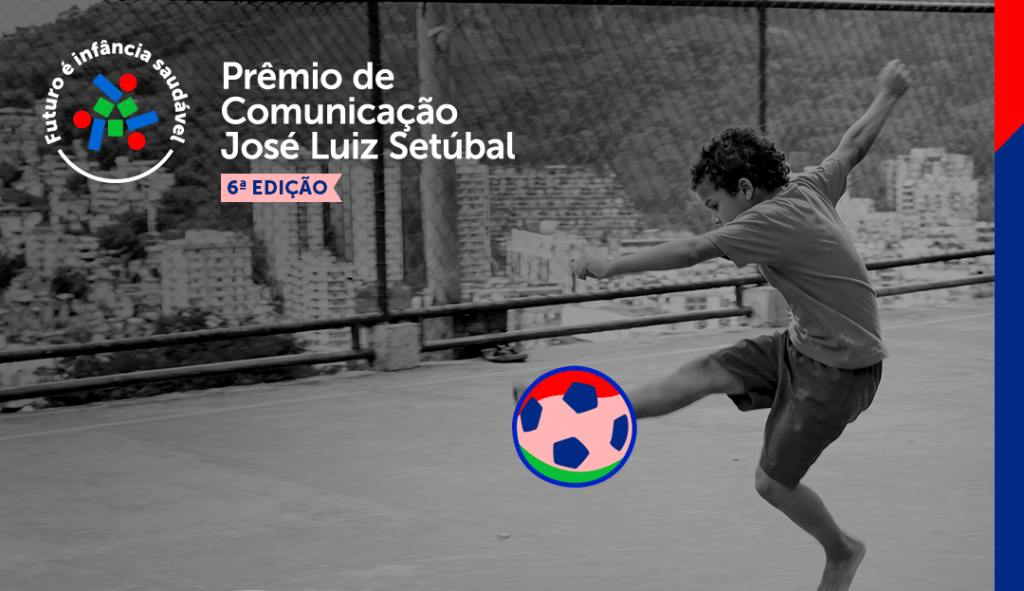
At Infinis, we understand that communication strengthens our capacity to influence public policies and defend the rights of children and adolescents. It is with this conviction that we manage the José Luiz Setúbal Communication Prize: prepared communicators committed to the child and adolescent health agenda are essential to expand and qualify the public debate.
One of our priority commitments with the Prize, in addition to encouraging and recognizing the work of professionals in the field, is to bring students closer to these issues and contribute, from their training onward, so that they become attentive to the needs and rights of children and adolescents. The quality of the submissions in the Students category, it is worth noting, renews our hope and demonstrates the potential of new generations of communicators.
In its 6th edition, the Prize reaffirms the importance of communication to strengthen social causes and transform perceptions, habits, and behaviors. Recognizing the work of communicators from different regions of Brazil is also to value their contribution to building a fairer and more equitable country for all children and adolescents.
Discover the finalist works of this edition and vote for your favorites in the Students and Professionals categories. Popular voting is open from October 5 to 22.
To learn more about the subject, you can also read this text: Without communication, there is no protection – Instituto PENSI Blog