






Brazil presents an alarming and persistent picture of violence committed against children and adolescents. According to the 2025 Brazilian Public Security Yearbook, in 2024 more than 33,000 cases of child abuse were recorded at Brazilian police stations, which is equivalent to around 91 cases per day, with more than 93% committed by the victims’ family members.
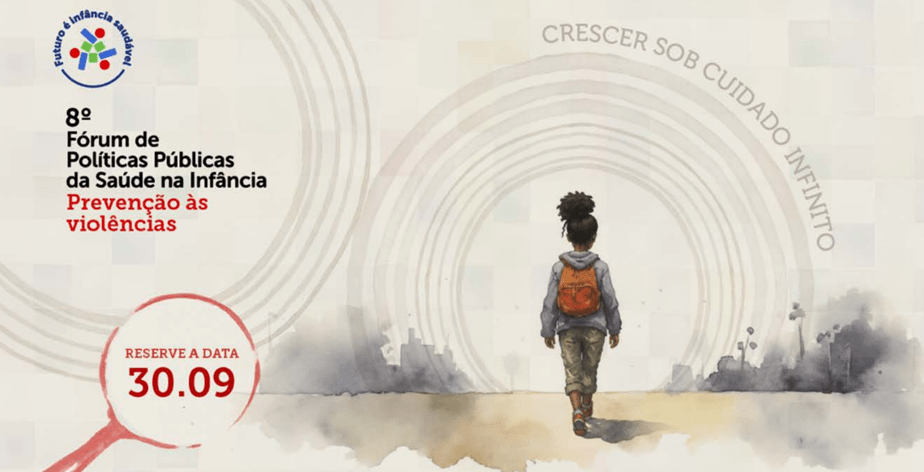
It is in this context that Infinis will hold the 8th Public Health Policies Forum for Childhood (FPPSI), one of the most relevant spaces for dialogue and building solutions aimed at promoting health and the full protection of children and adolescents. The meeting will take place on September 30, 2026, from 8:30 AM to 5:00 PM, at the Frei Caneca Convention Center, in São Paulo. The event will be livestreamed on the Saúde na Infância YouTube channel.
With the theme “Preventing violence”, the Forum will bring together experts, public managers, researchers, and representatives of national and international organizations to discuss evidence, public policies, and experiences that have helped address the different forms of violence that affect children and adolescents.
The program will address the current violence scenario in Brazil based on the indicators of the INSPIRE technical package, Brazilian society’s perceptions and attitudes about childhood and violence, the strategic role of the Health sector in prevention and case identification, as well as successful experiences that have been producing concrete results in protecting children and adolescents in different territories.
One of the highlights of the event will be the launch of the INSPIRE Platform: Monitoring Strategies to End Violence against Children and Adolescents, an initiative that will help improve the production, monitoring, and use of data aimed at strengthening evidence-based public policies.
Preventing violence against children and adolescents is one of Infinis’ priority areas of action. For this reason, the Forum seeks to promote a high-quality debate on the contemporary challenges of protecting childhood, encouraging coordination among different sectors and the development of more effective, sustainable responses centered on the rights of children and adolescents.