






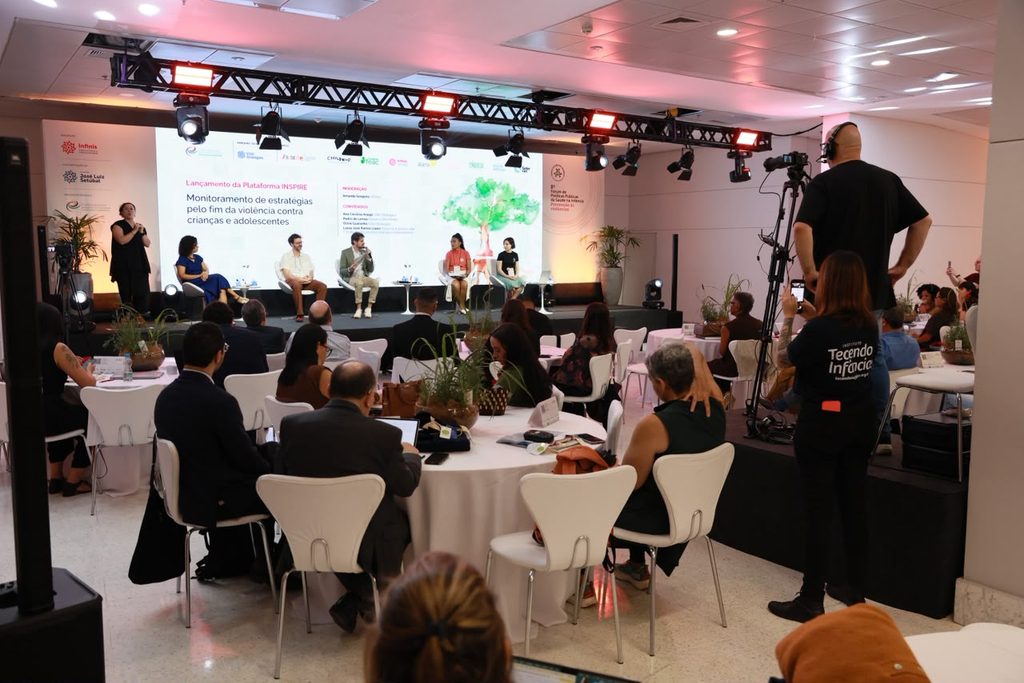
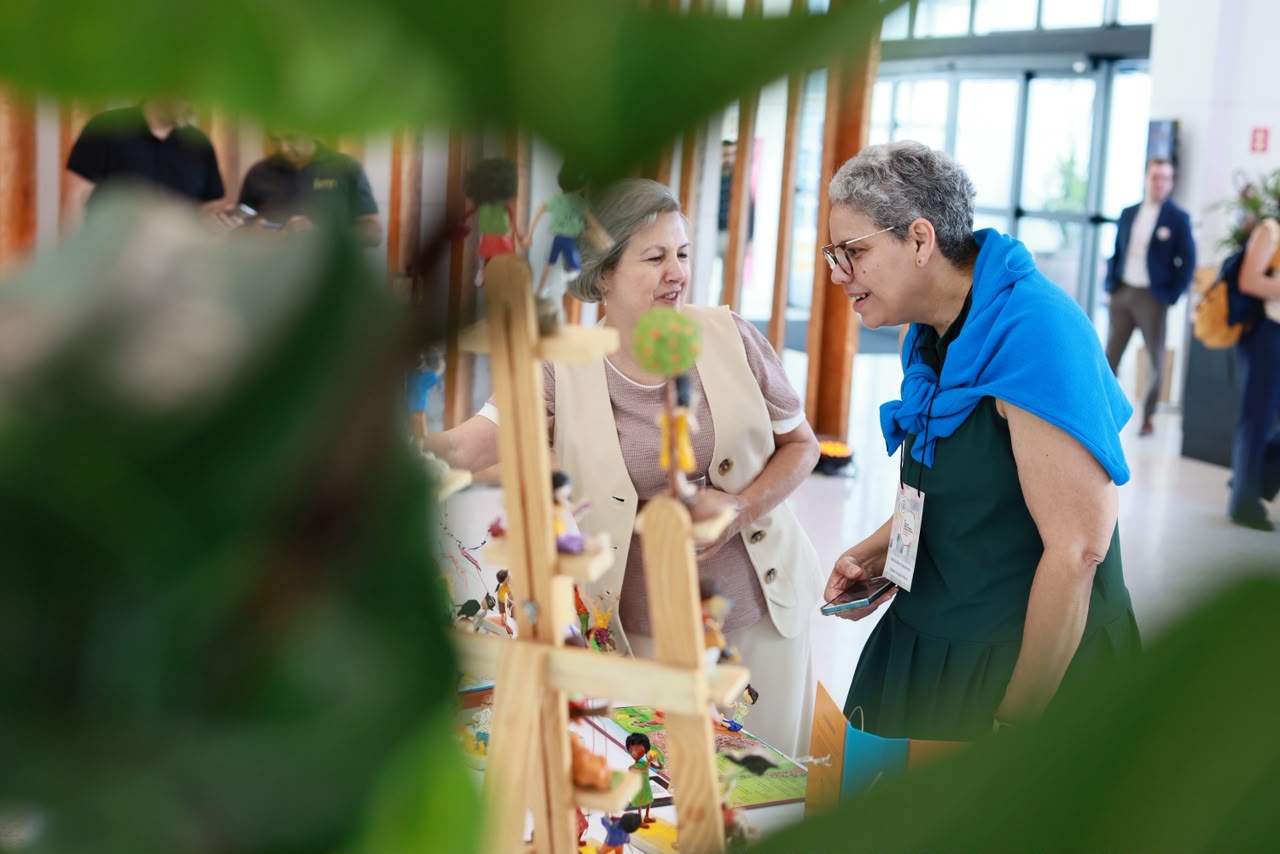
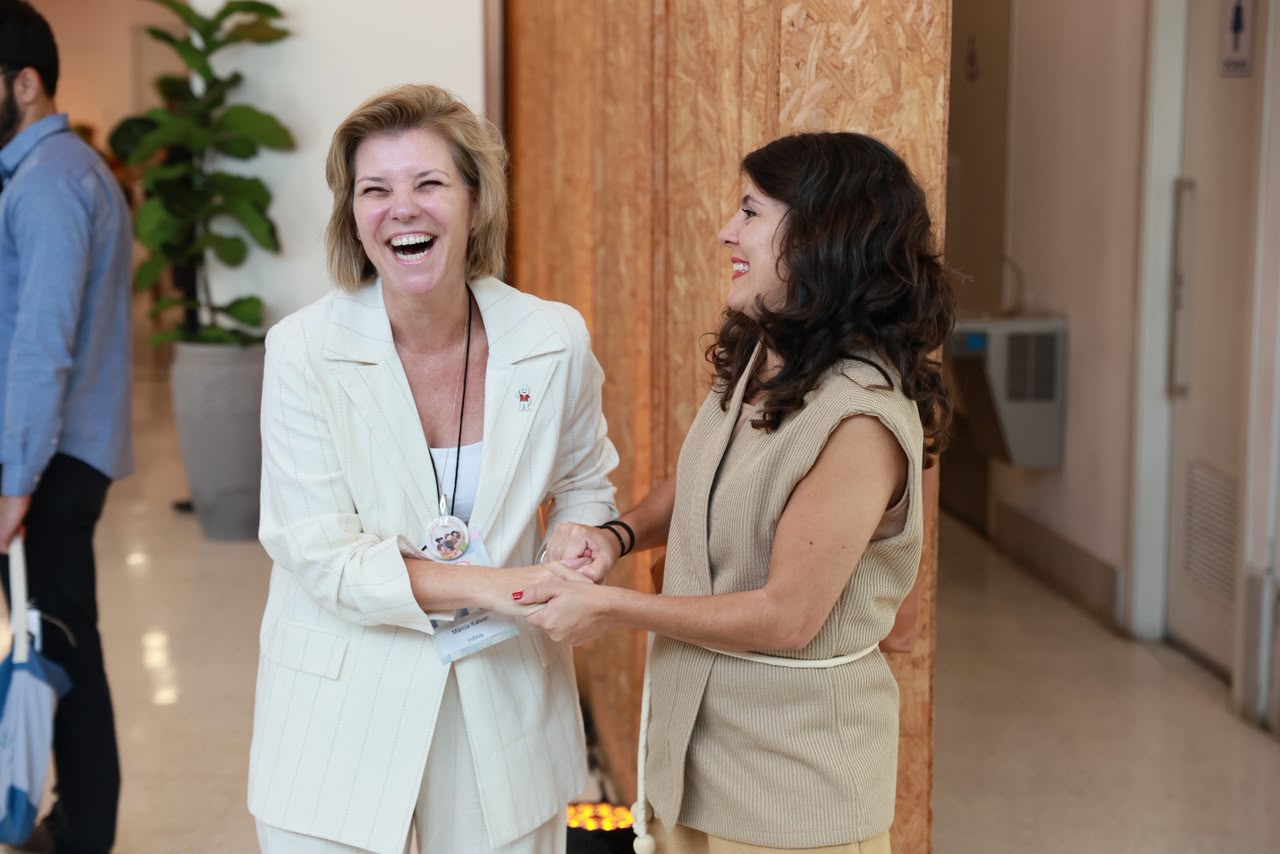
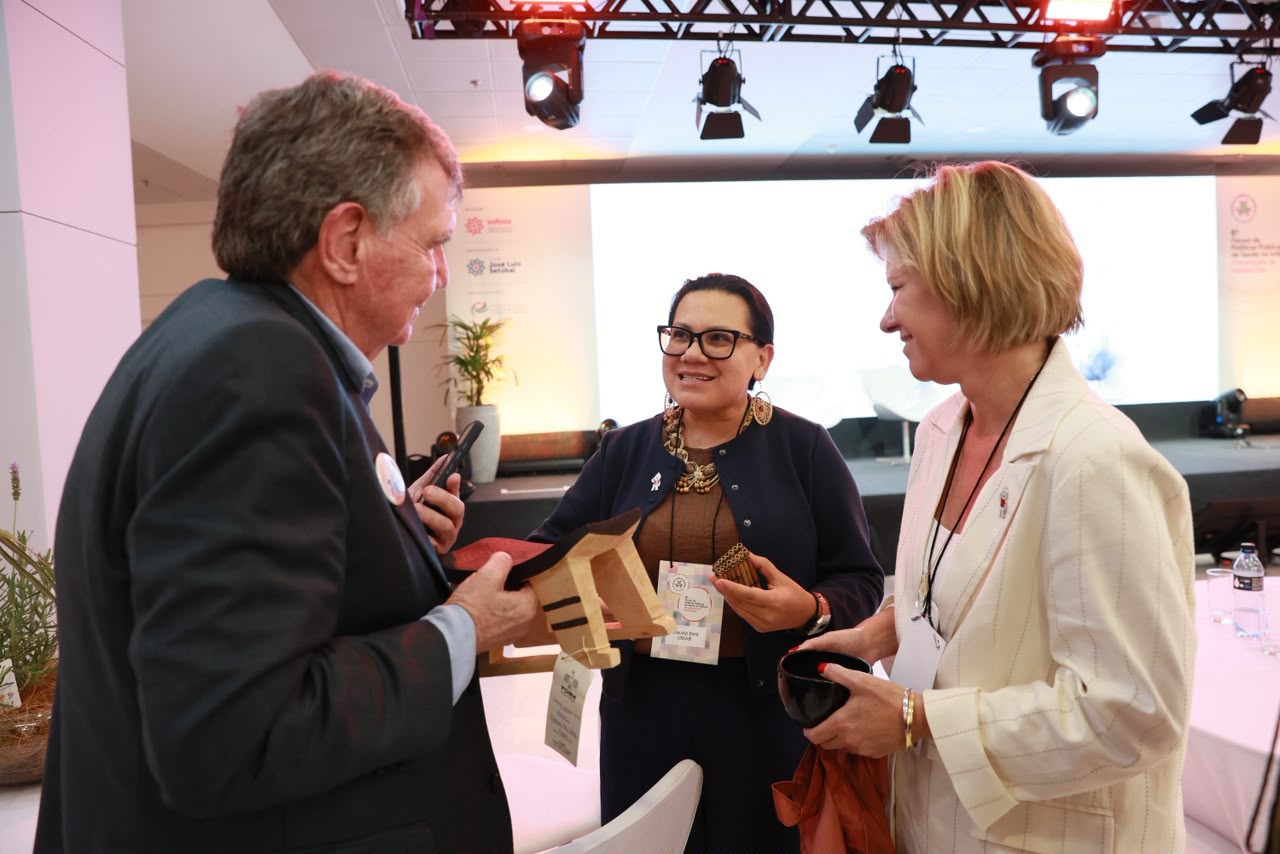
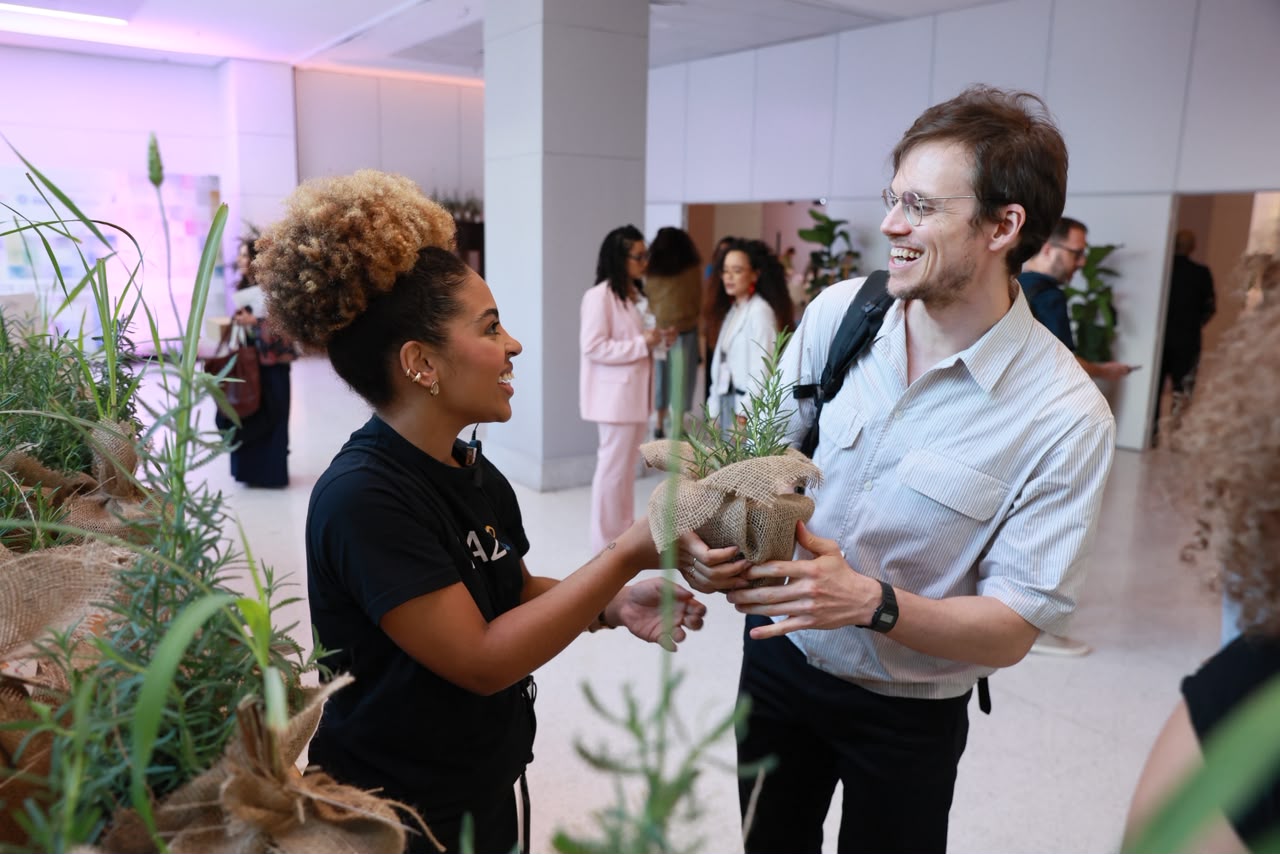
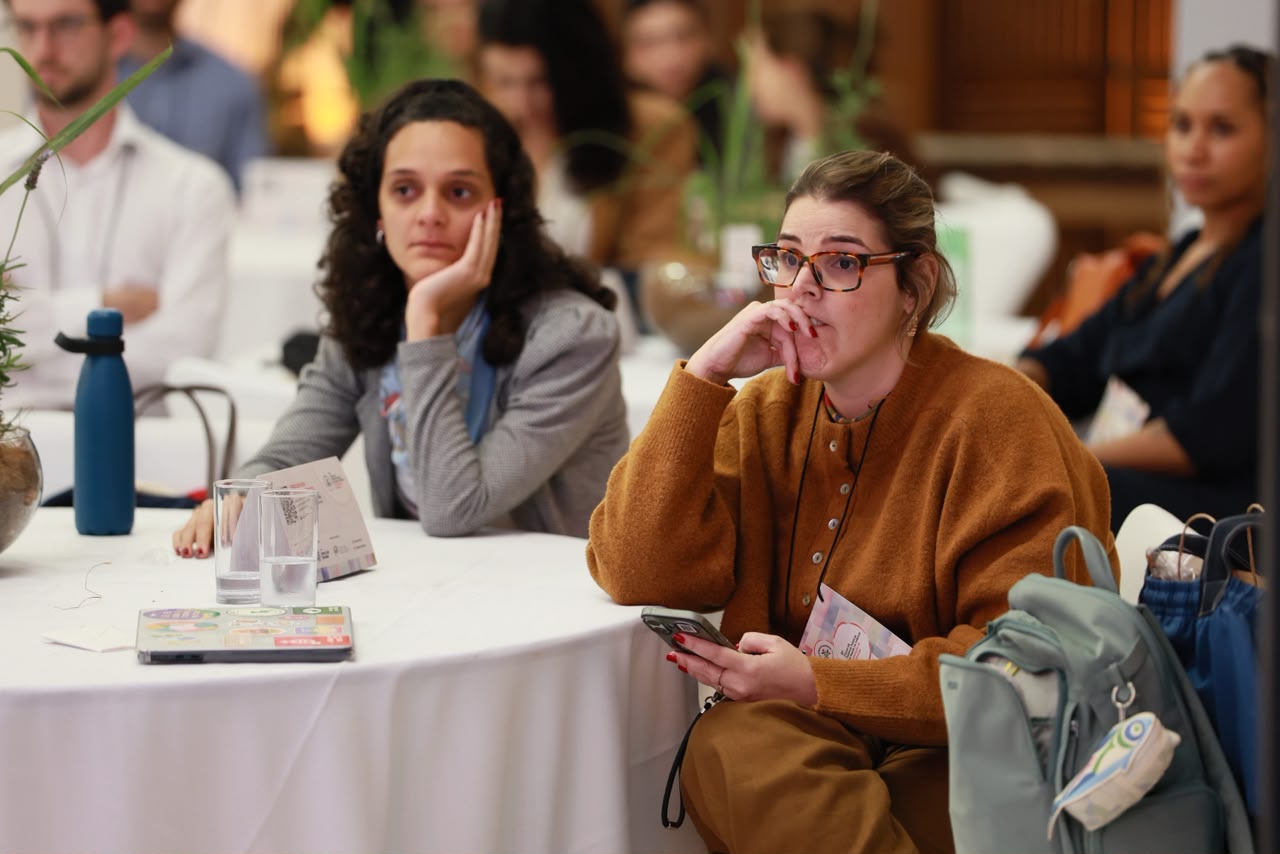
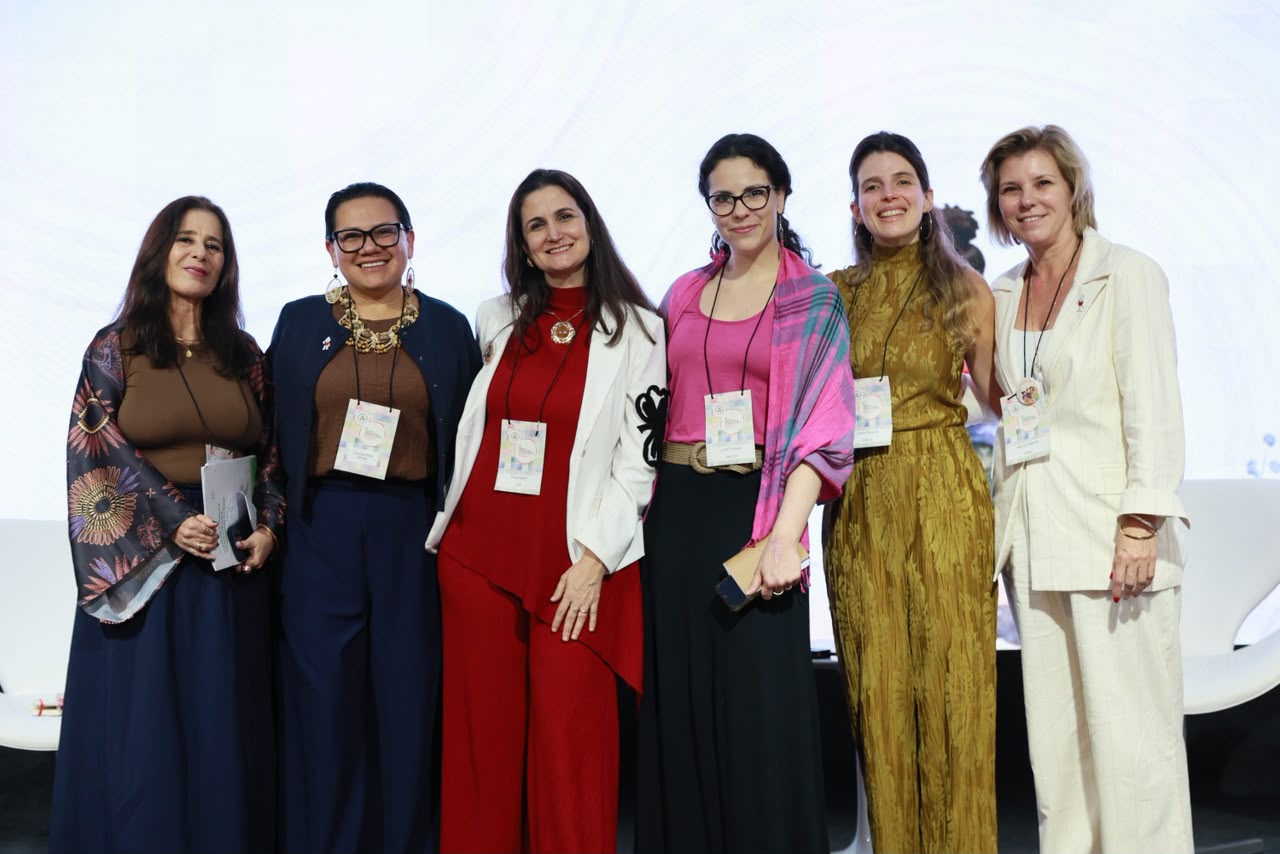
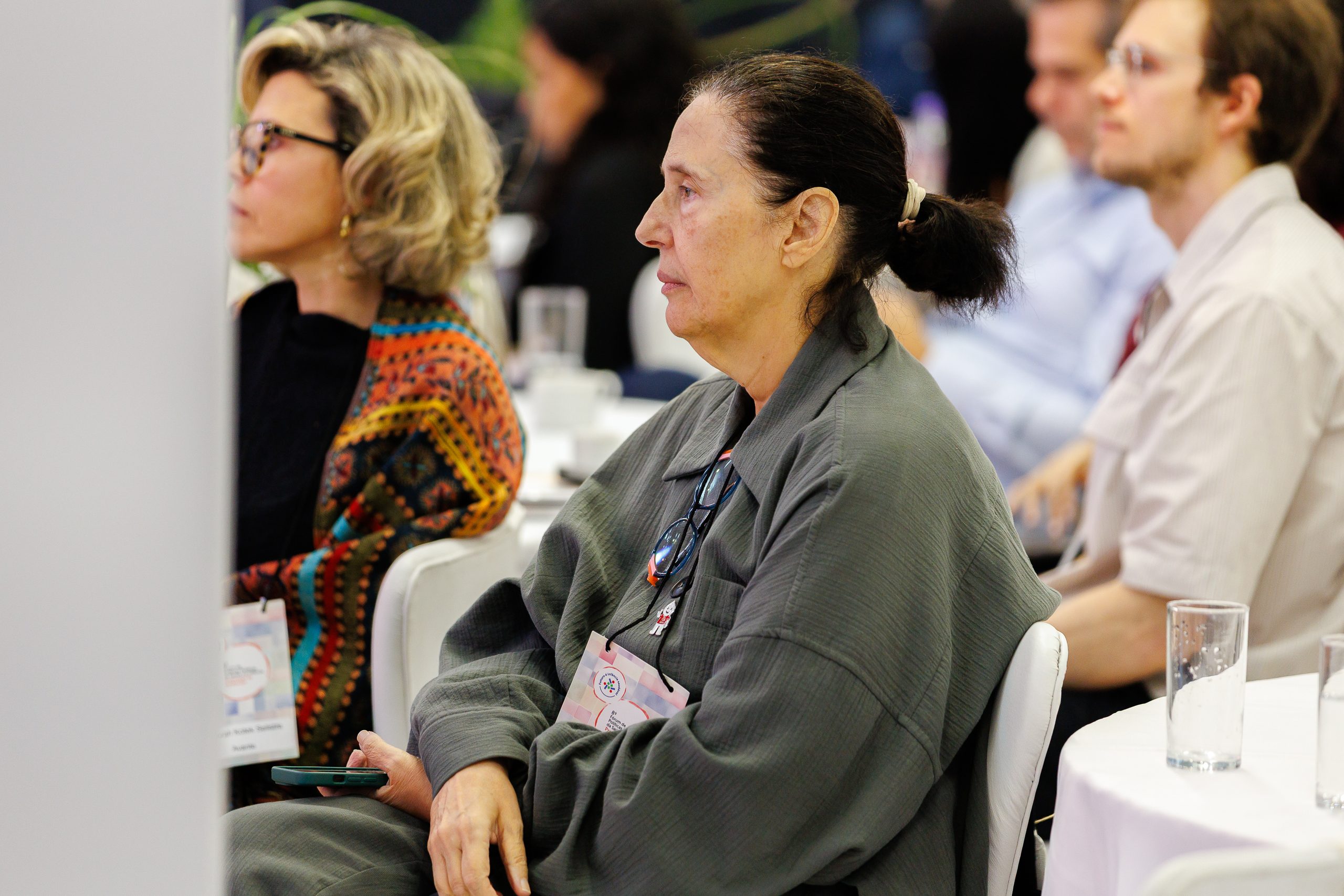
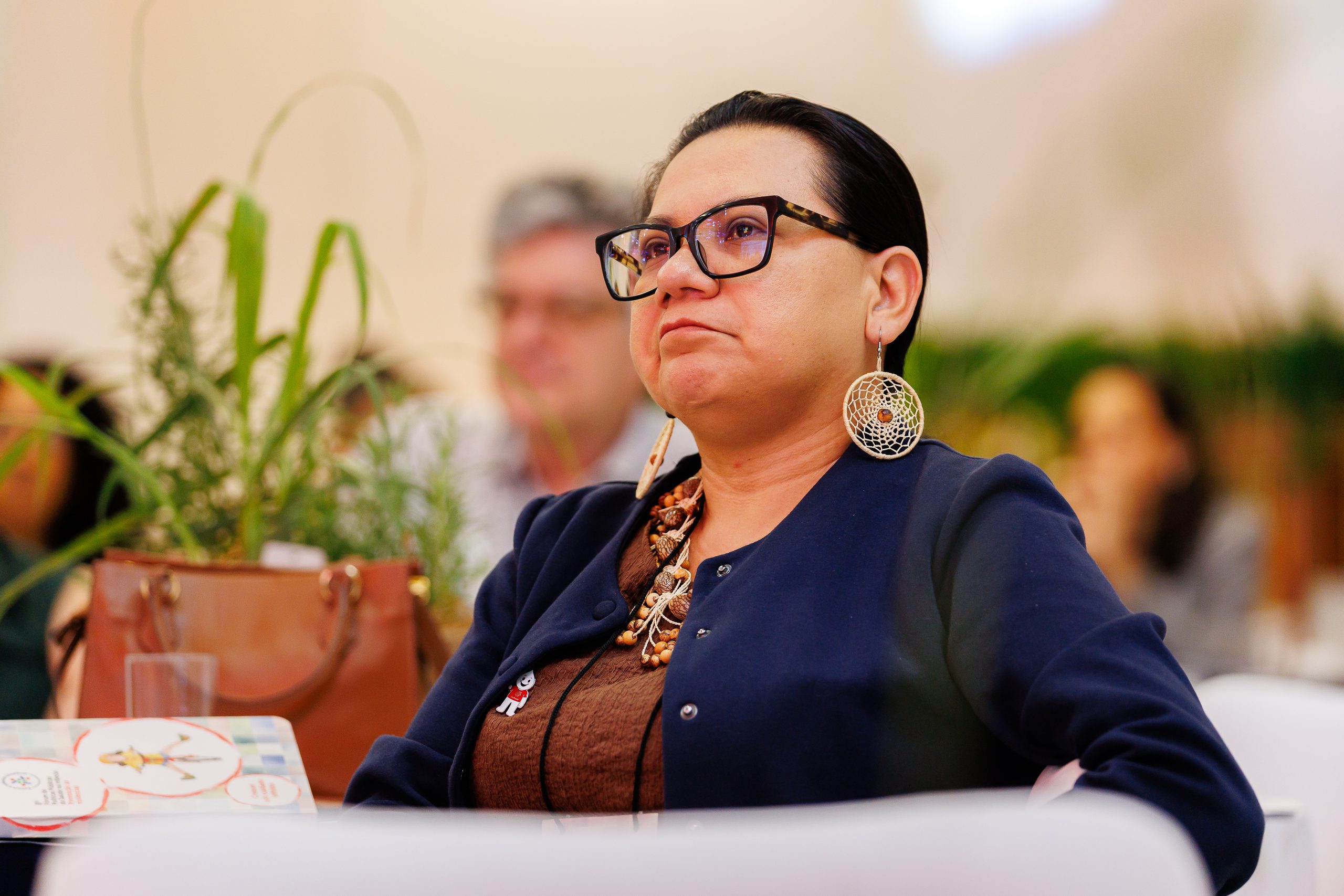
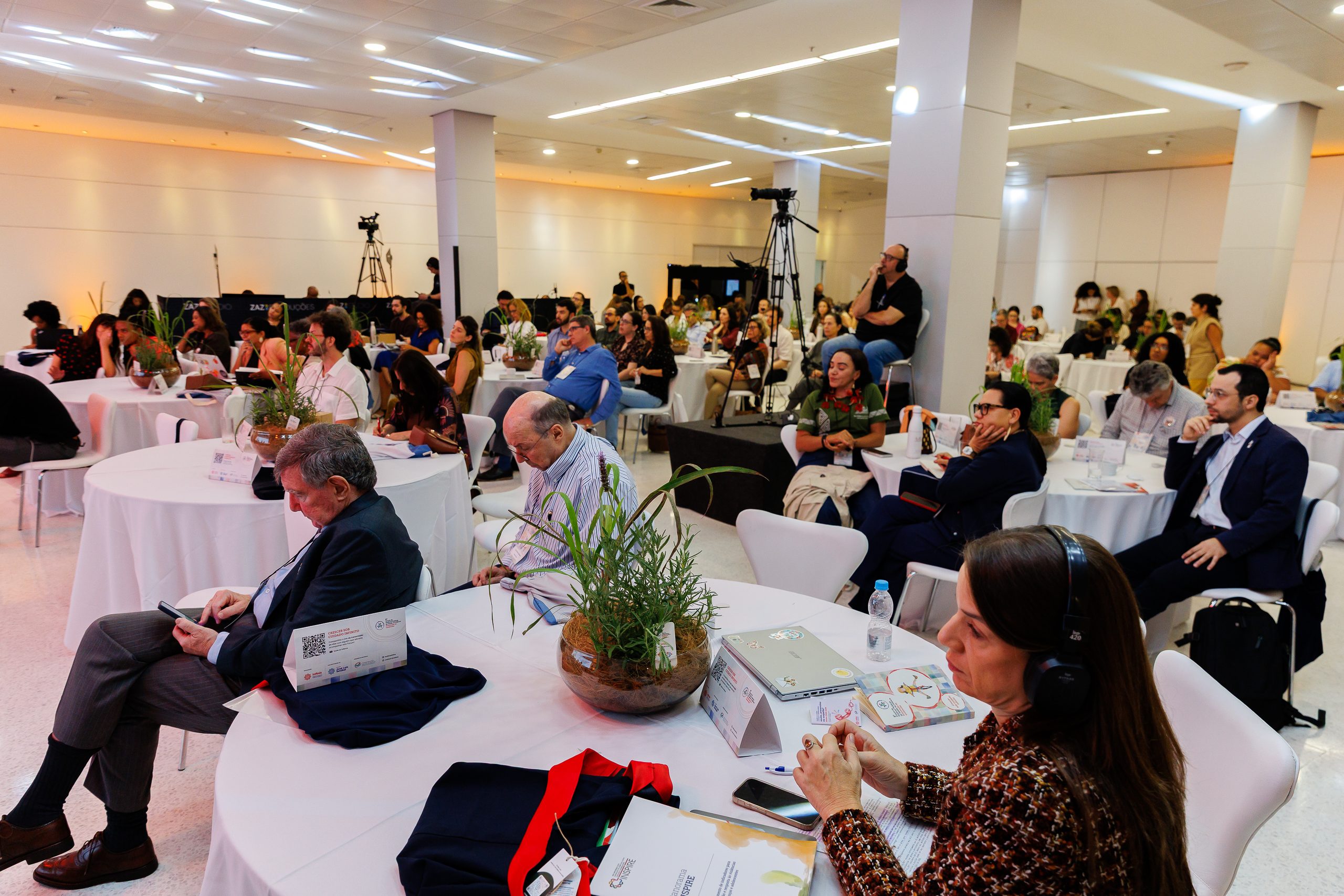
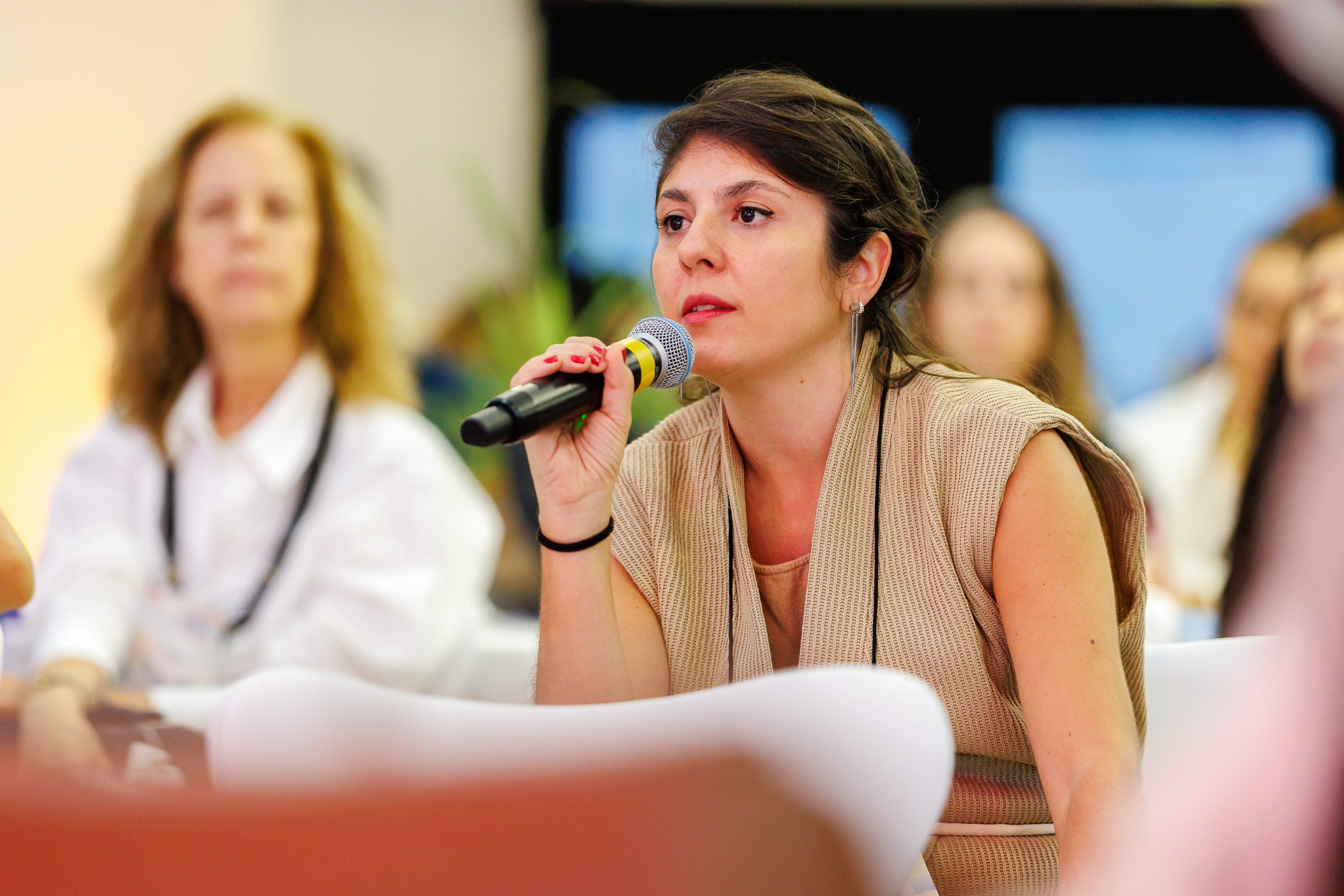
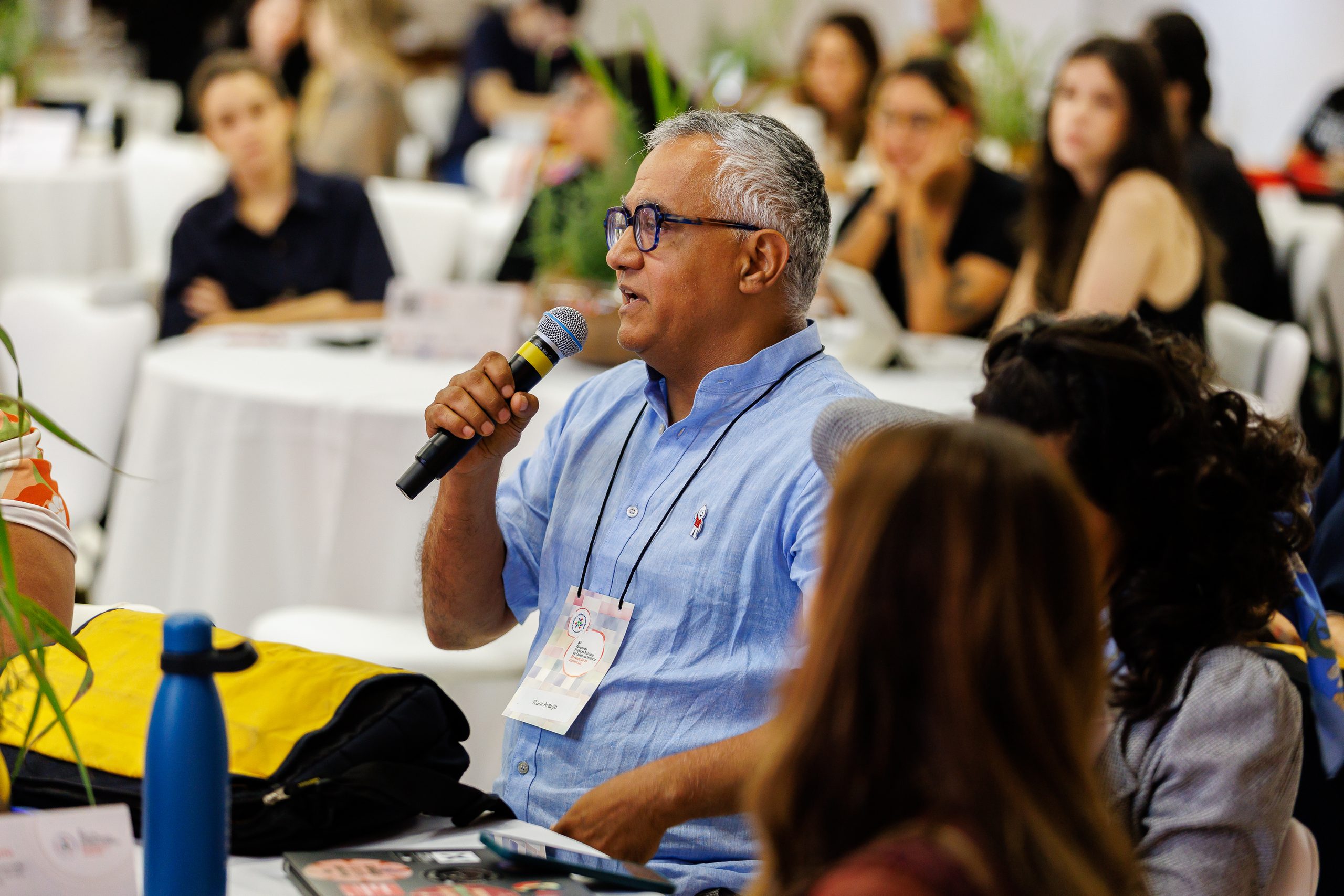
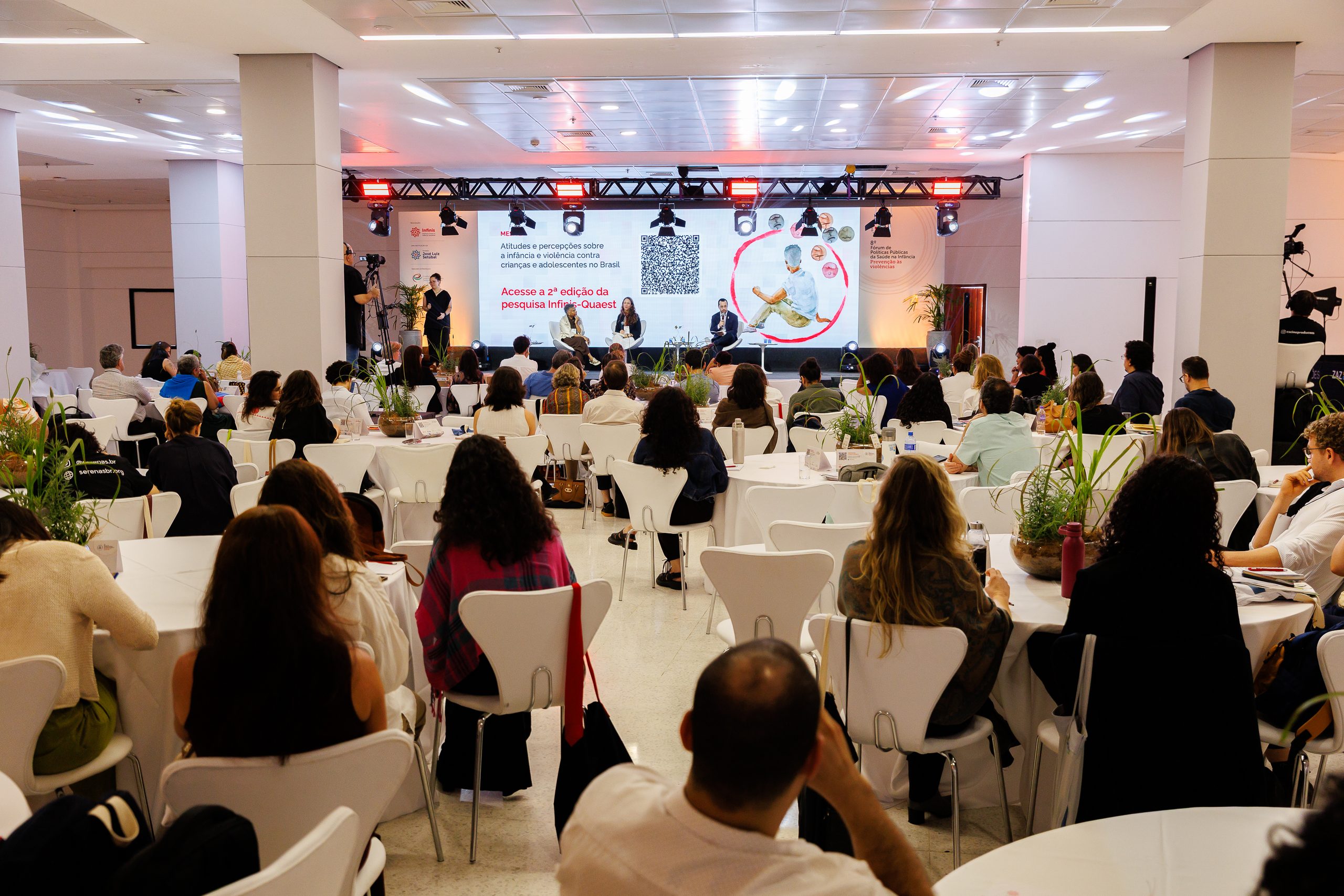
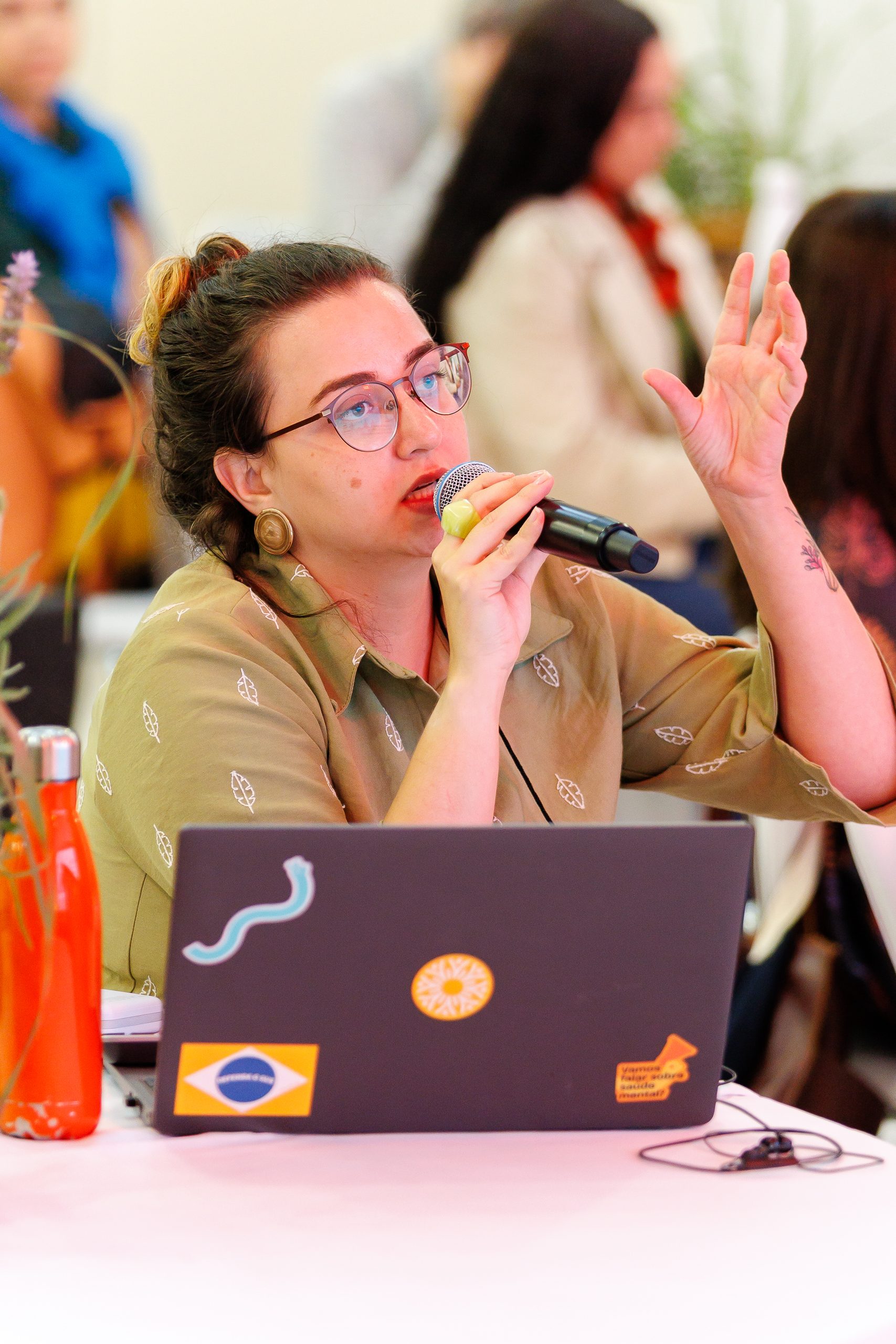
Infinis – Instituto Futuro é Infância Saudável, a philanthropy and advocacy organization of the José Luiz Setúbal Foundation, held the 8th edition of the Public Health Policies Forum for Childhood last Wednesday (30) at the Frei Caneca Convention Center in São Paulo. This year’s theme was prevention of violence against children and adolescents, bringing together public administrators, researchers, civil society organizations, and international bodies to discuss responses and prevention strategies.
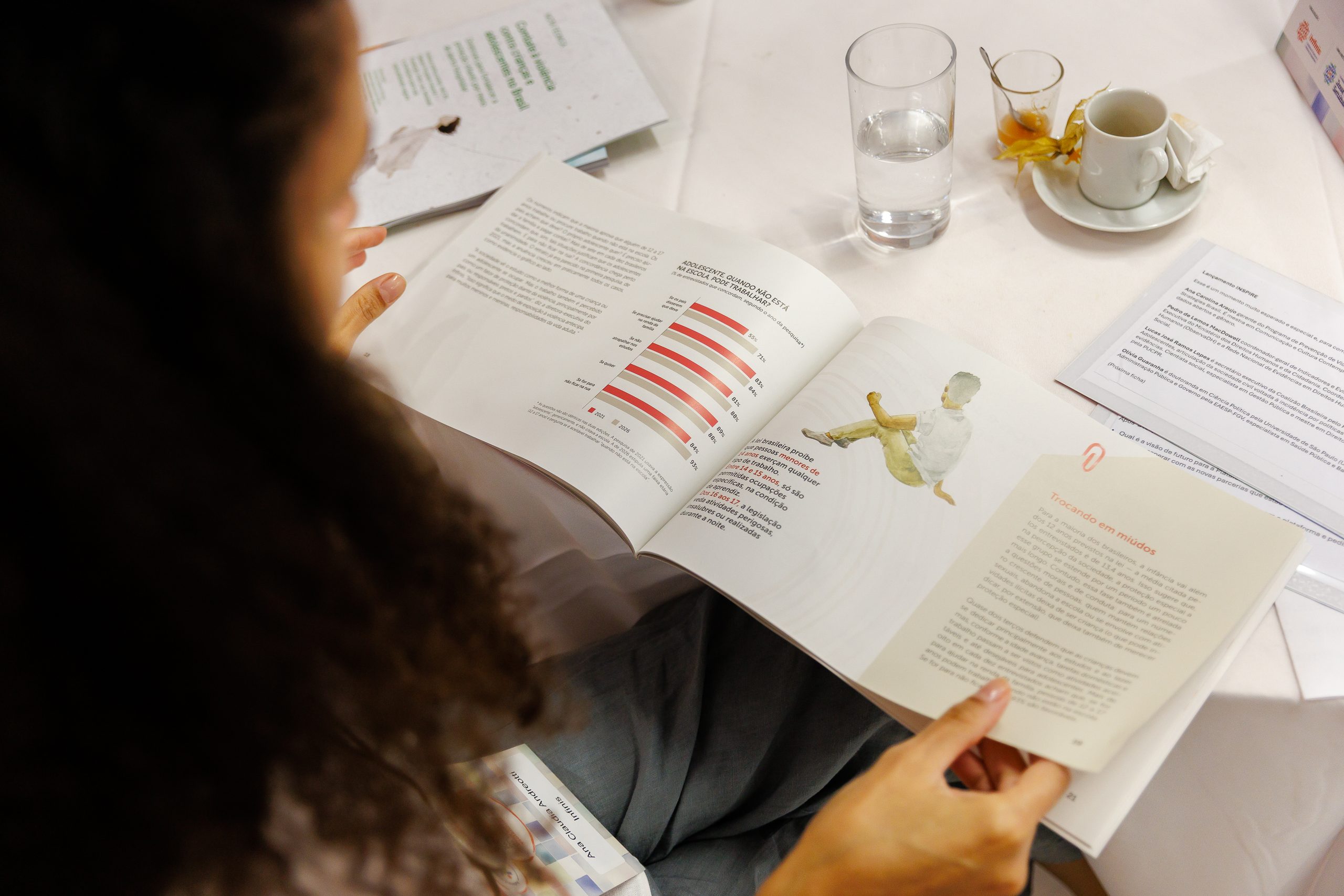
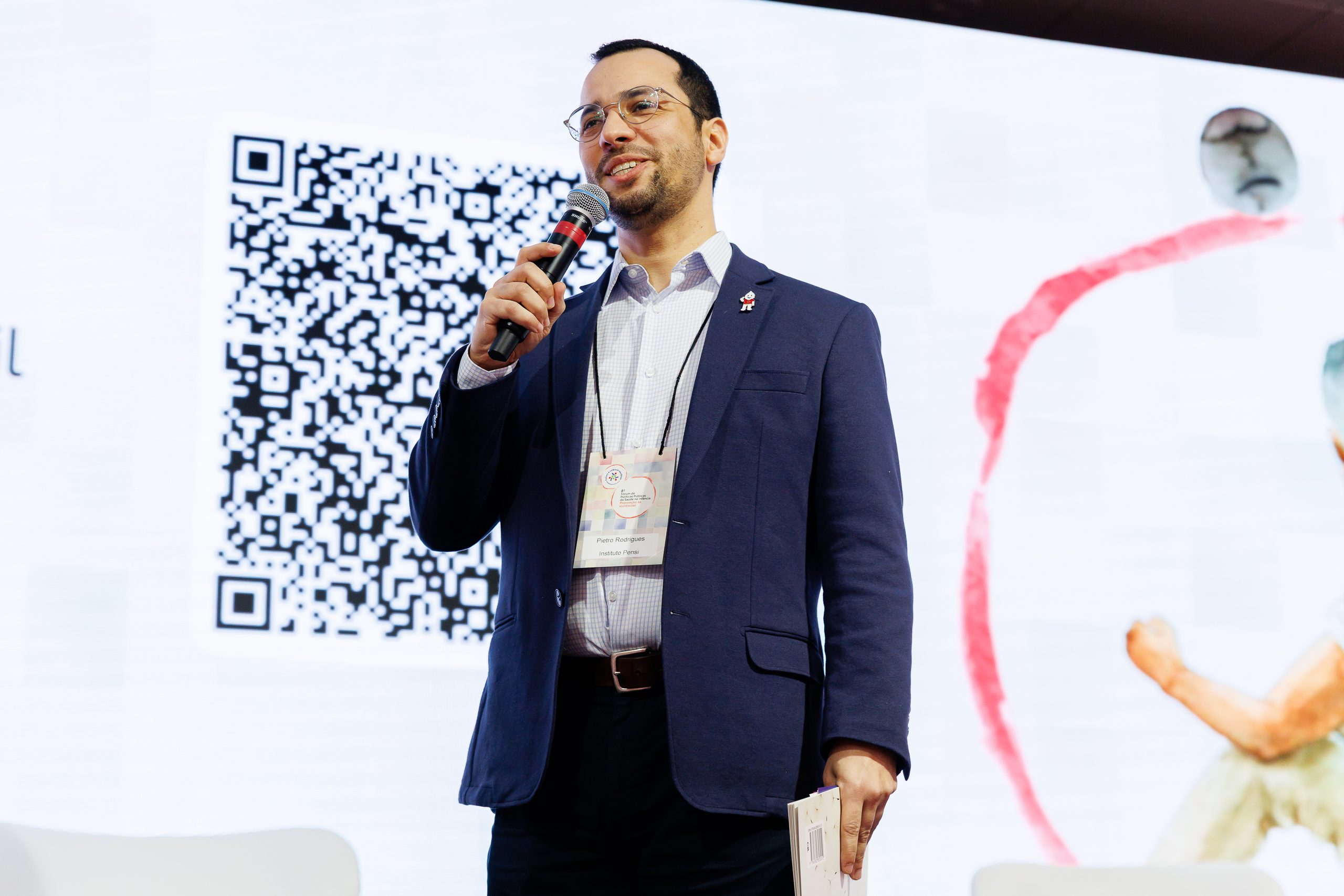
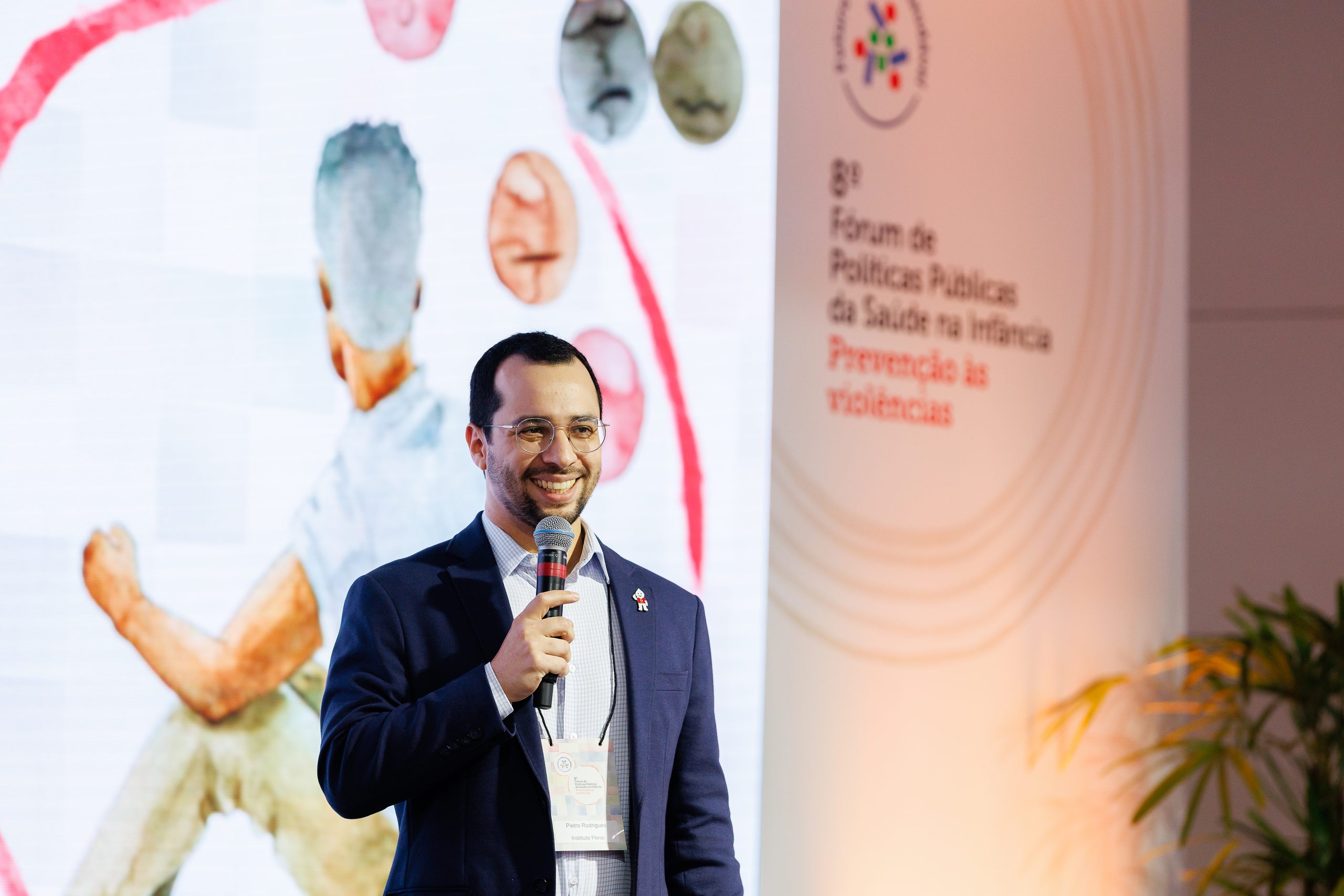
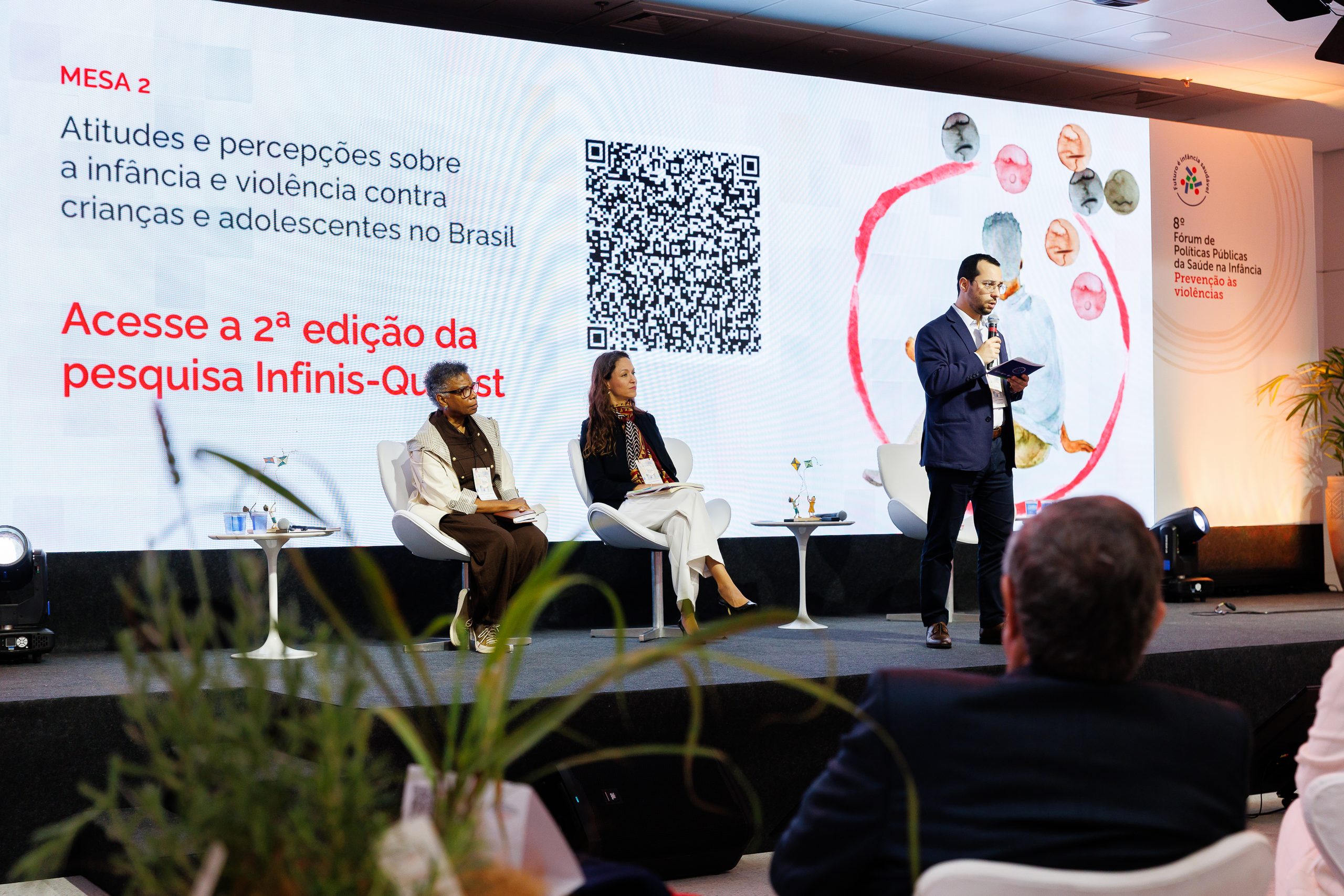
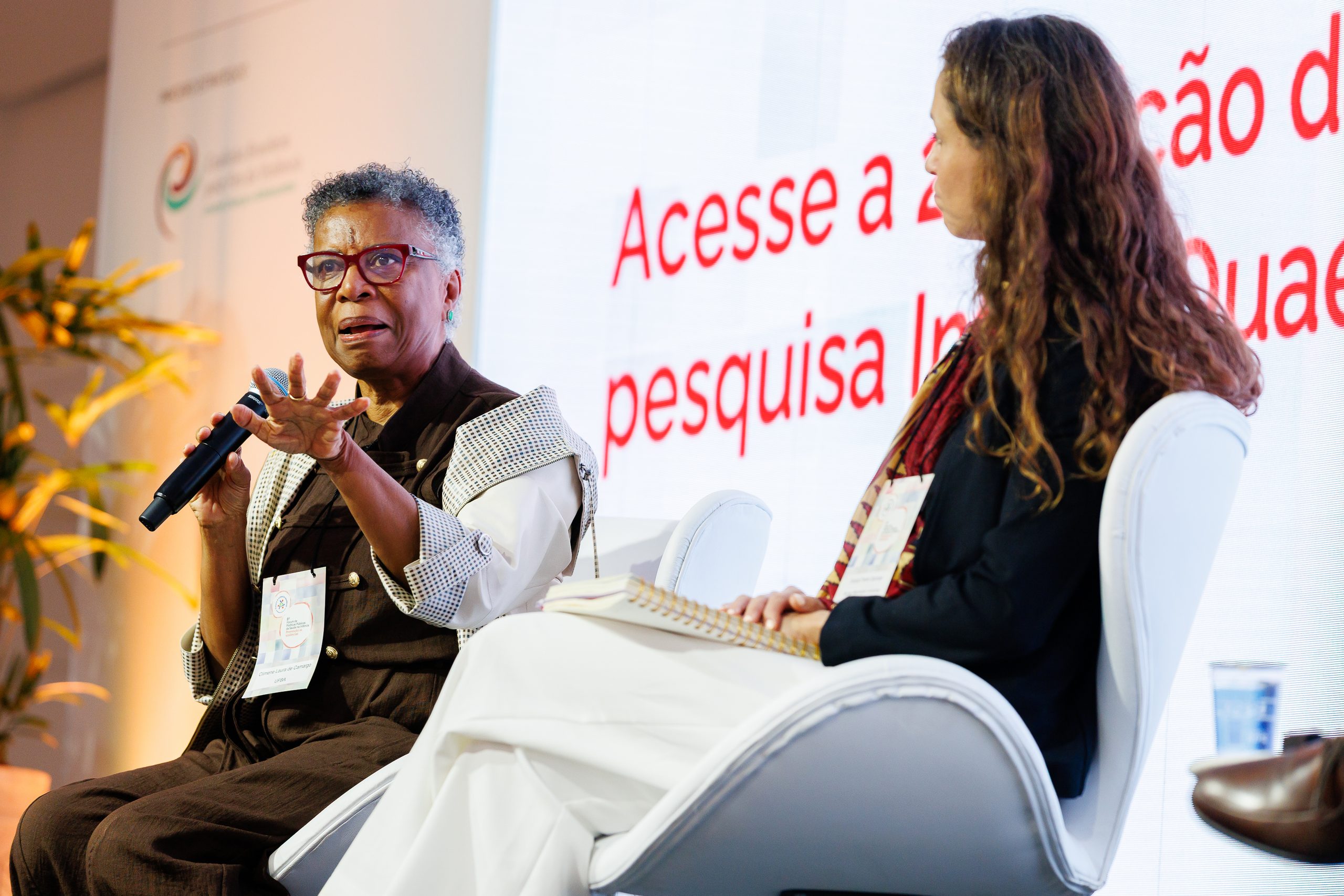
Among the event’s highlights was the release of new results from the research “Attitudes and perceptions about childhood and violence against children and adolescents in Brazil,” conducted by Infinis and Quaest. In July, a first wave of the study was launched, focusing on education and care practices, normalization of violence, child labor, rights, and child protection mechanisms. Now, the new results present sections on bullying, cyberbullying, the relationship with schools, and Brazilians’ trust in institutions. Moderated by Pietro Rodrigues, head of the Department of Social Science and Philanthropy Research at Instituto Pensi, the panel discussion addressed the intersection between violence against children and adolescents and issues of gender and race.
Among the survey’s main findings, 89% of Brazilians consider children and adolescents highly vulnerable to crimes and violence on the internet, and 33% know a child or adolescent who has suffered bullying or social harassment in the digital environment. Meanwhile, 73% of respondents consider schools unsafe or not at all safe for children and adolescents. The full research can be accessed on the José Luiz Setúbal Foundation website.
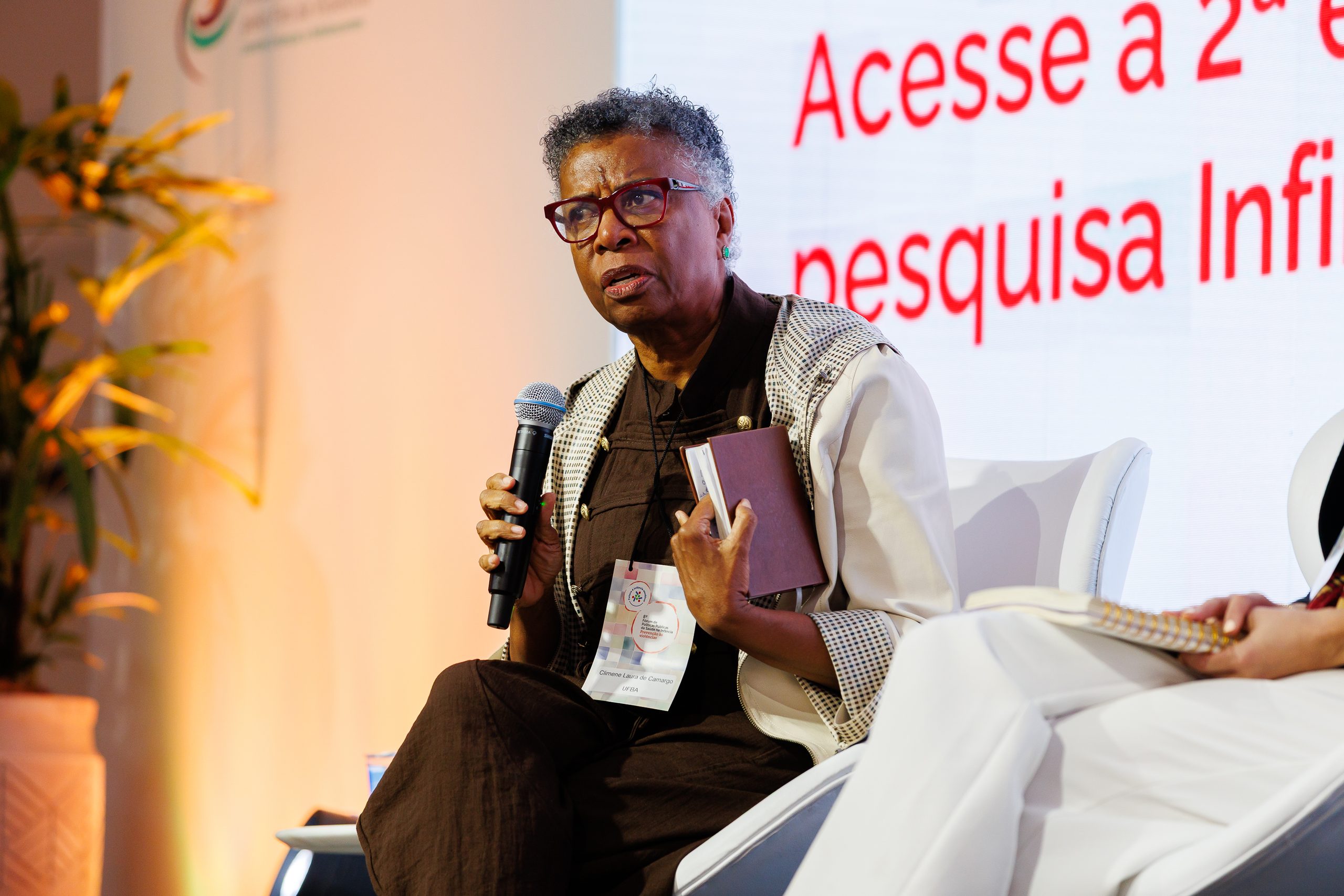
Climene Laura de Camargo, full professor at the School of Nursing of the Federal University of Bahia (EE/UFBA) and founder and leader of the CRESCER Group (Child and Adolescent Health Study Group), recalled a visit to a quilombo in Bahia in 1997, where, even though the community faced a shortage of resources such as education, sanitation, and health, the women and children reported experiencing little domestic violence because care was provided by the community rather than the nuclear family. “We have much to learn from the groups we call inferior,” she stated.
Floriza Freire Gennari, behavioral scientist at UNICEF Innocenti and adjunct professor at George Washington University, emphasized: “We know that violence against children and violence against women do not occur separately; they intersect in the domestic environment.” For her, the new research data are evidence of what was already known, and she advocates for measures that accumulate successful practices in violence prevention, such as parenting programs.
Launch of the INSPIRE platform
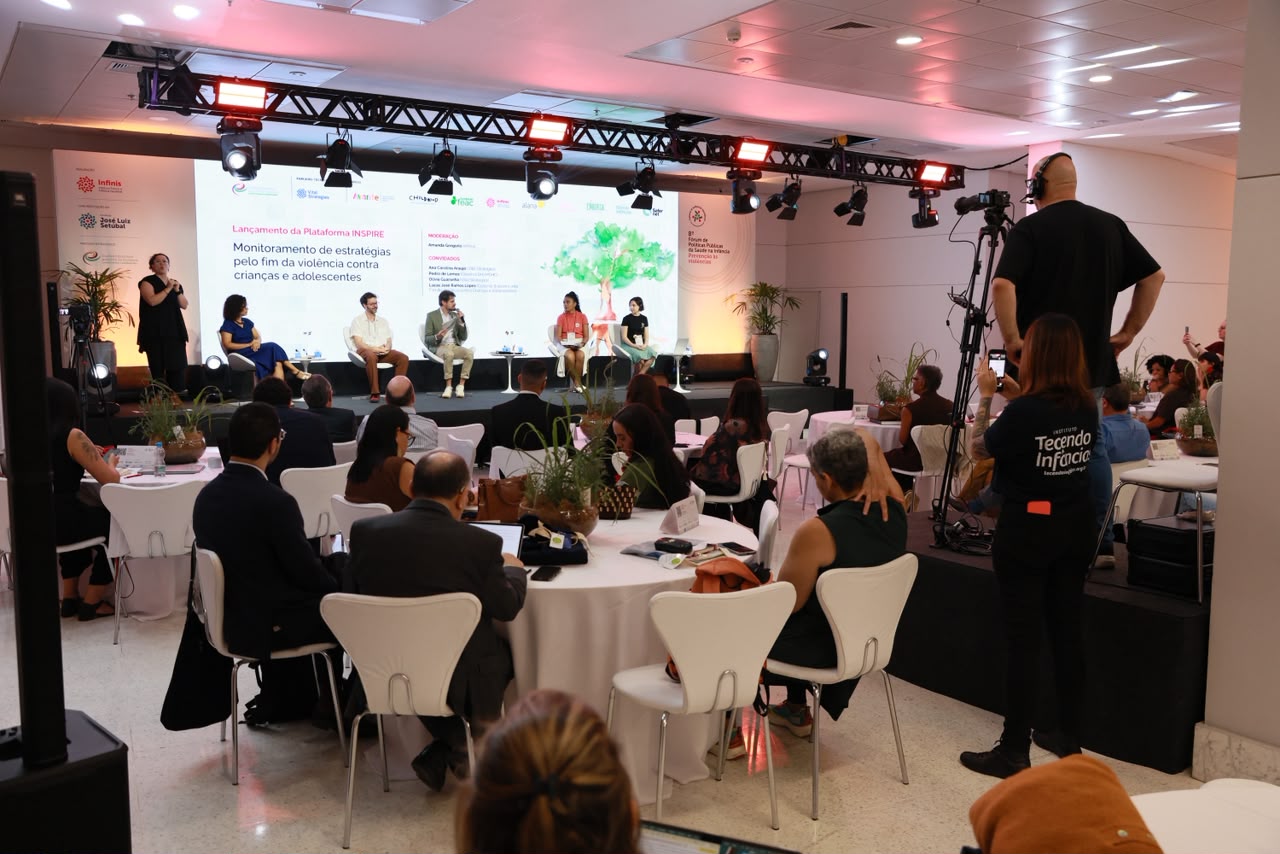
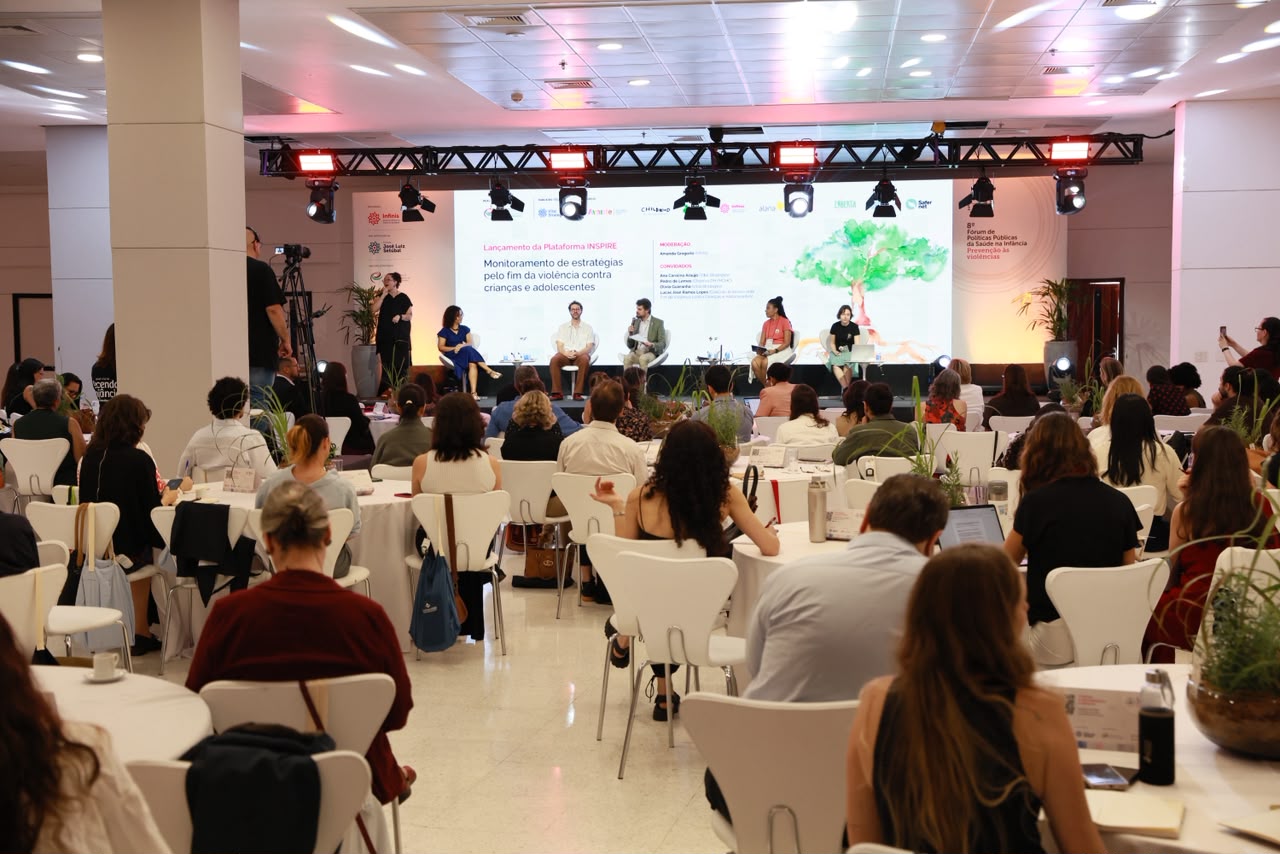
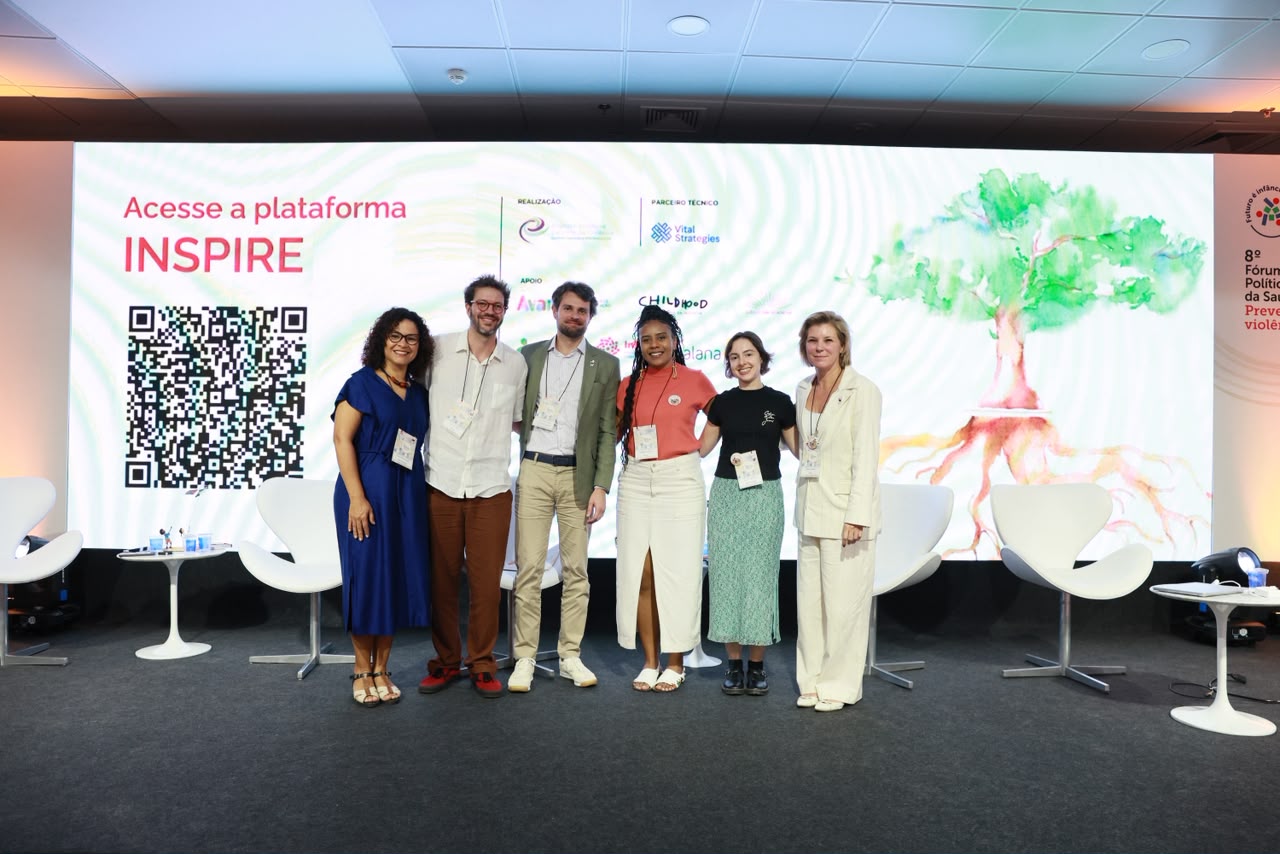
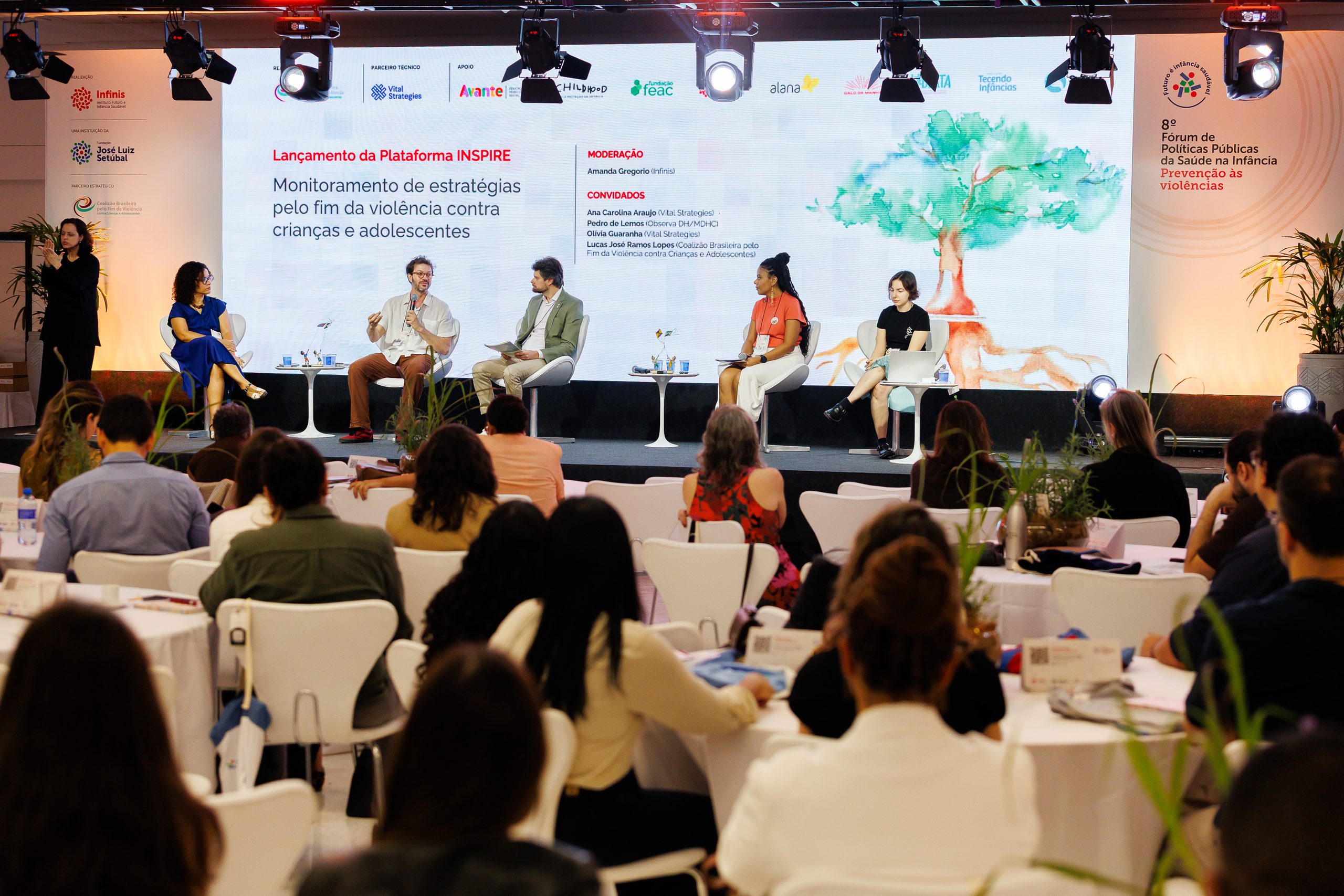
The Brazilian Coalition for the End of Violence against Children and Adolescents publicly launched the INSPIRE Brasil platform, an interactive dashboard that brings together 62 indicators from 21 databases to monitor strategies for prevention and response to violence against children and adolescents. INSPIRE is an international framework developed by a consortium led by the World Health Organization (WHO), and Brazil is the first country in the world to adapt the indicators to its reality. The construction of the Brazilian dashboard had technical partnership from Vital Strategies Brasil.
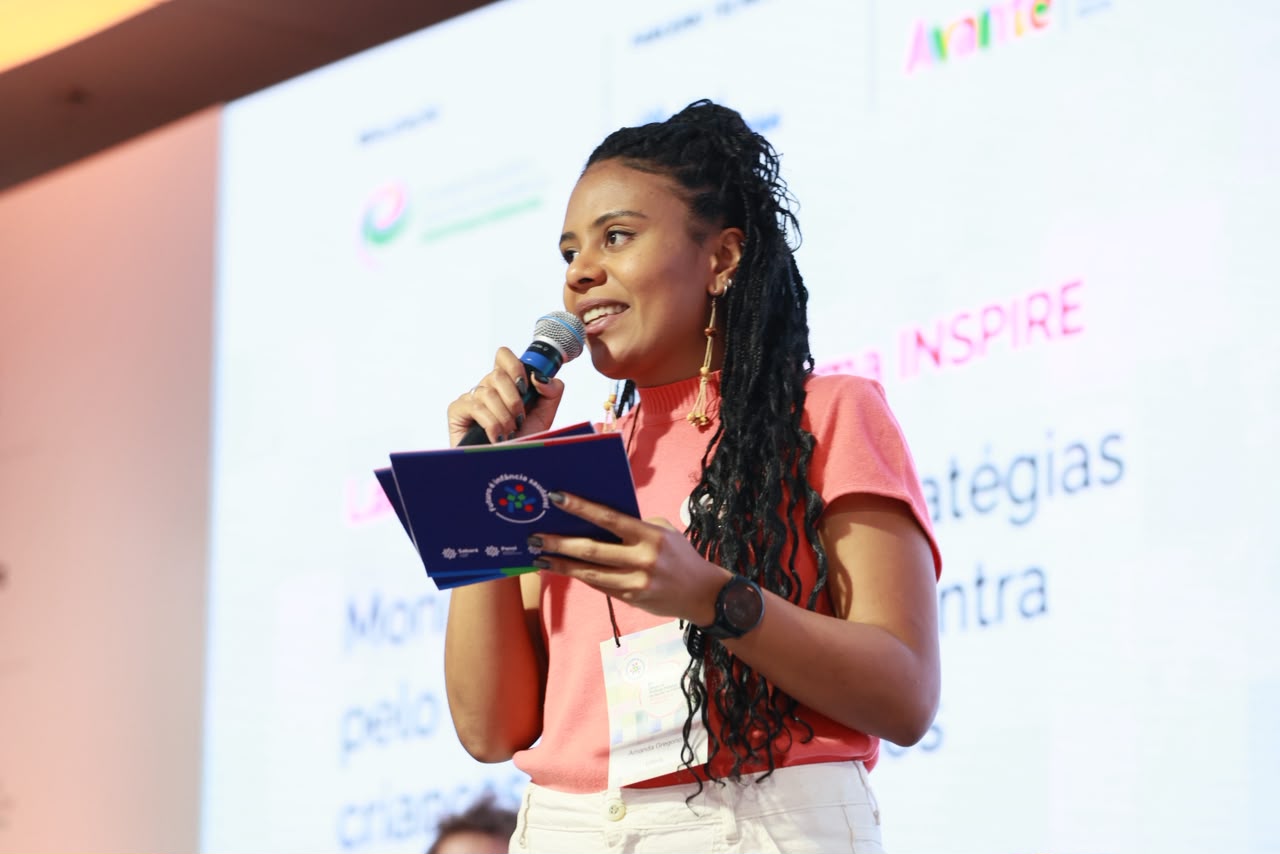
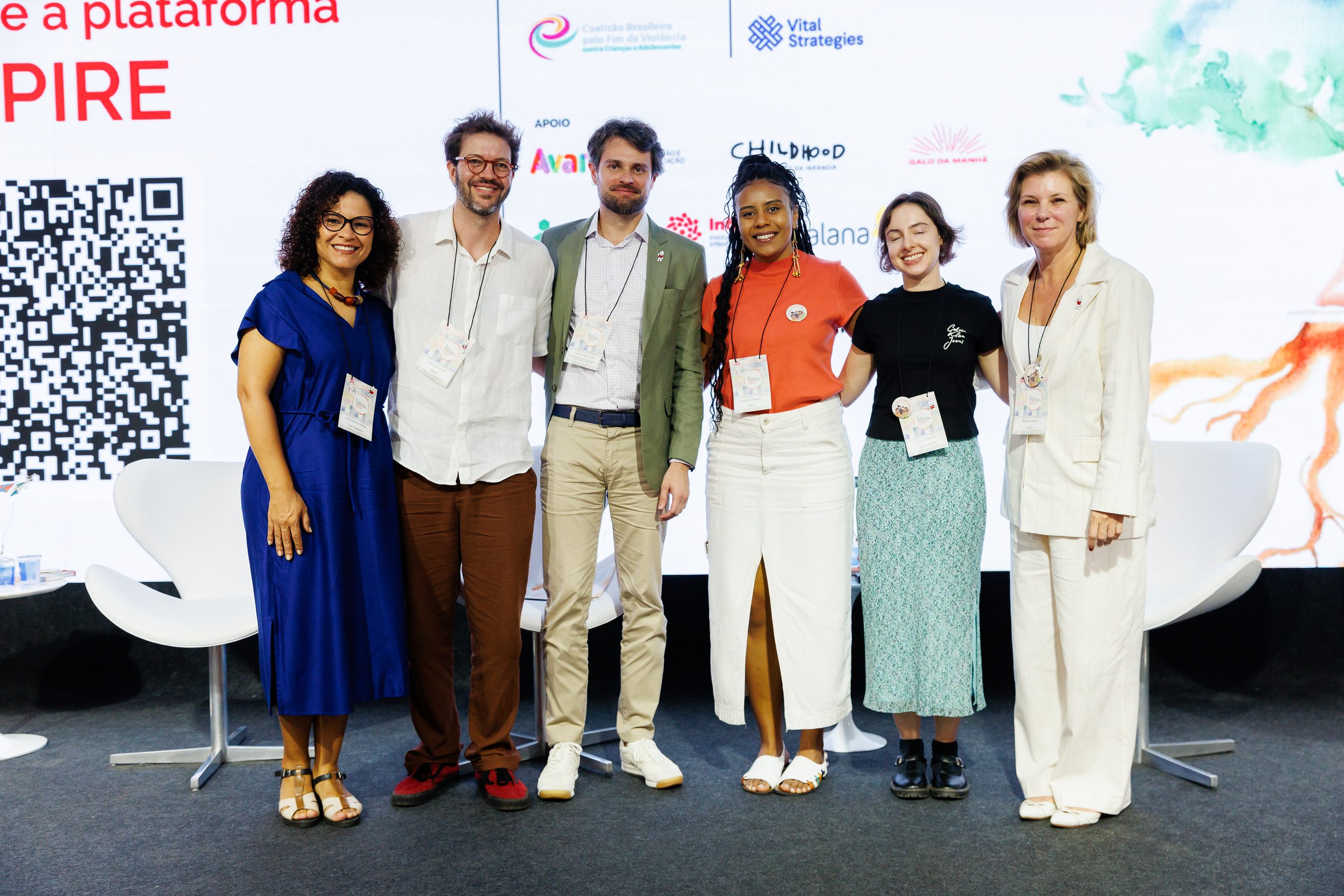
The panel, moderated by Amanda Gregorio, senior project analyst at Infinis, brought together representatives from Vital Strategies, the National Human Rights Observatory (ObservaDH), and the Brazilian Coalition for the End of Violence against Children and Adolescents. The discussion centered on the importance of indicators and evidence to support public policies for violence prevention.
Ana Carolina Araujo, Senior Manager of Violence Prevention and Public Health Systems at Vital Strategies, highlighted the role of the health sector in this agenda and the need for coordination among different actors. “We share the idea that it is unacceptable for children and adolescents to live and face this level of violence in our society. We are here to try to ensure that fewer children and young people lose the opportunities for a quality life, for a fully healthy life,” she stated. “We work to understand this context and these scenarios and create appropriate responses to the reality of violence today.”
For Pedro de Lemos, General Coordinator of Indicators and Evidence in Human Rights at the Executive Secretariat of the Ministry of Human Rights and Citizenship (MDHC) and general coordinator of ObservaDH, the platform brings together areas that have historically operated separately: health, education, and security now engage in intersectoral dialogue. He also emphasized that the tool translates knowledge produced in dispersed databases, not always accessible or presented appropriately to the general public and administrators working in social participation. “It is a set of indicators that speaks to the Brazilian reality, and the platform will support federal management of policies to combat violence against children and adolescents,” he said.
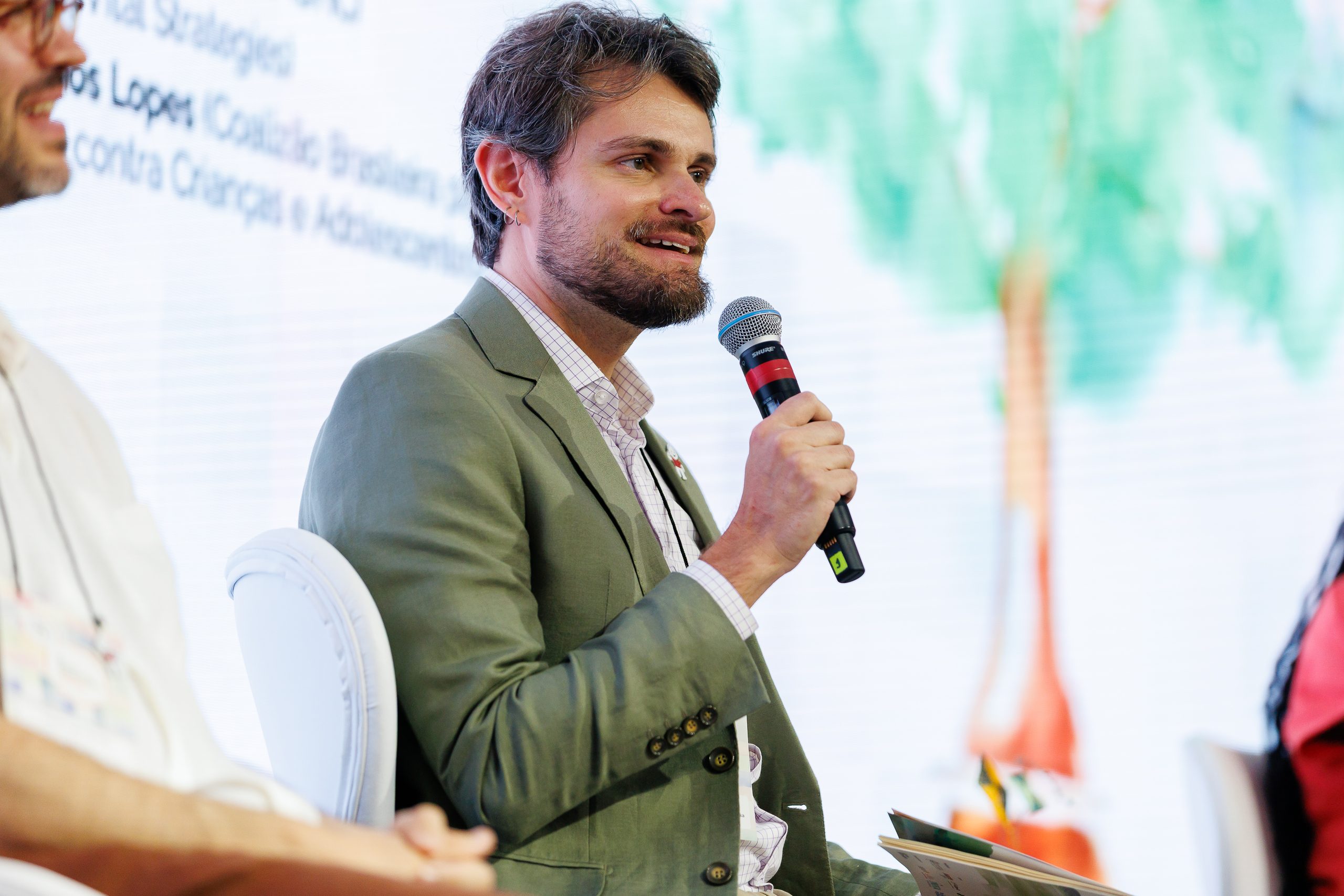
Lucas José Ramos Lopes, executive secretary of the Brazilian Coalition for the End of Violence against Children and Adolescents, noted that the initiative is the world’s first platform adapted to INSPIRE indicators, which brings responsibility for its updating and management. According to him, public policy alone will not be sufficient to change the scenario, as it is necessary to look at the model of interpersonal relationships. “By launching this platform, it is an invitation for us to be guided by prevention and commit ourselves to less violent relationships,” he declared. Lopes presented INSPIRE as a change of vision for the field, which preserves civil society institutions while simultaneously encouraging cooperation among different sectors.
Olivia Guaranha, Project Coordinator at Vital Strategies Brasil, demonstrated how to use the platform live. According to her, the platform can serve government agencies, civil society organizations, academia, and the press to monitor risk factors and violence data, such as deaths by homicide and adolescent pregnancy, with breakdowns by state, gender, and race.
Violence prevention and response actions
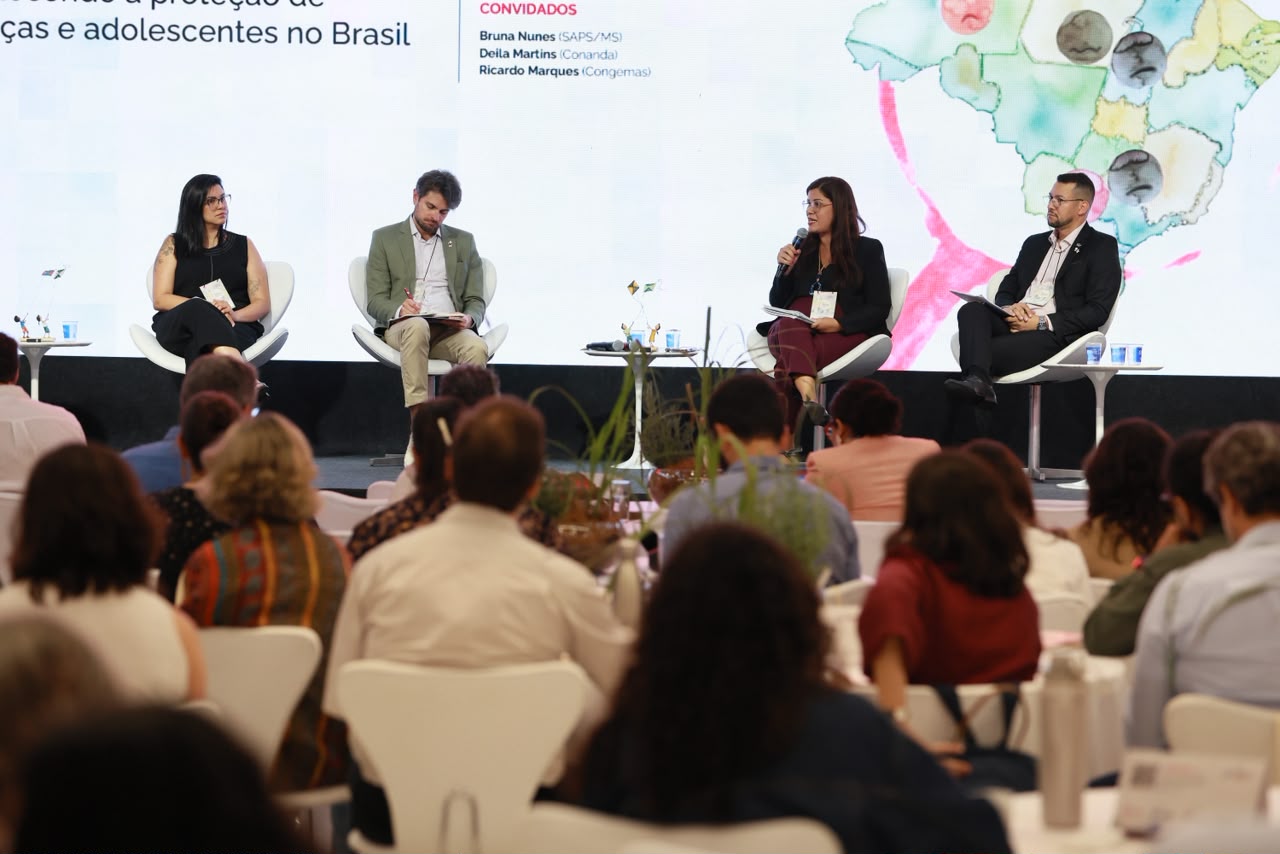
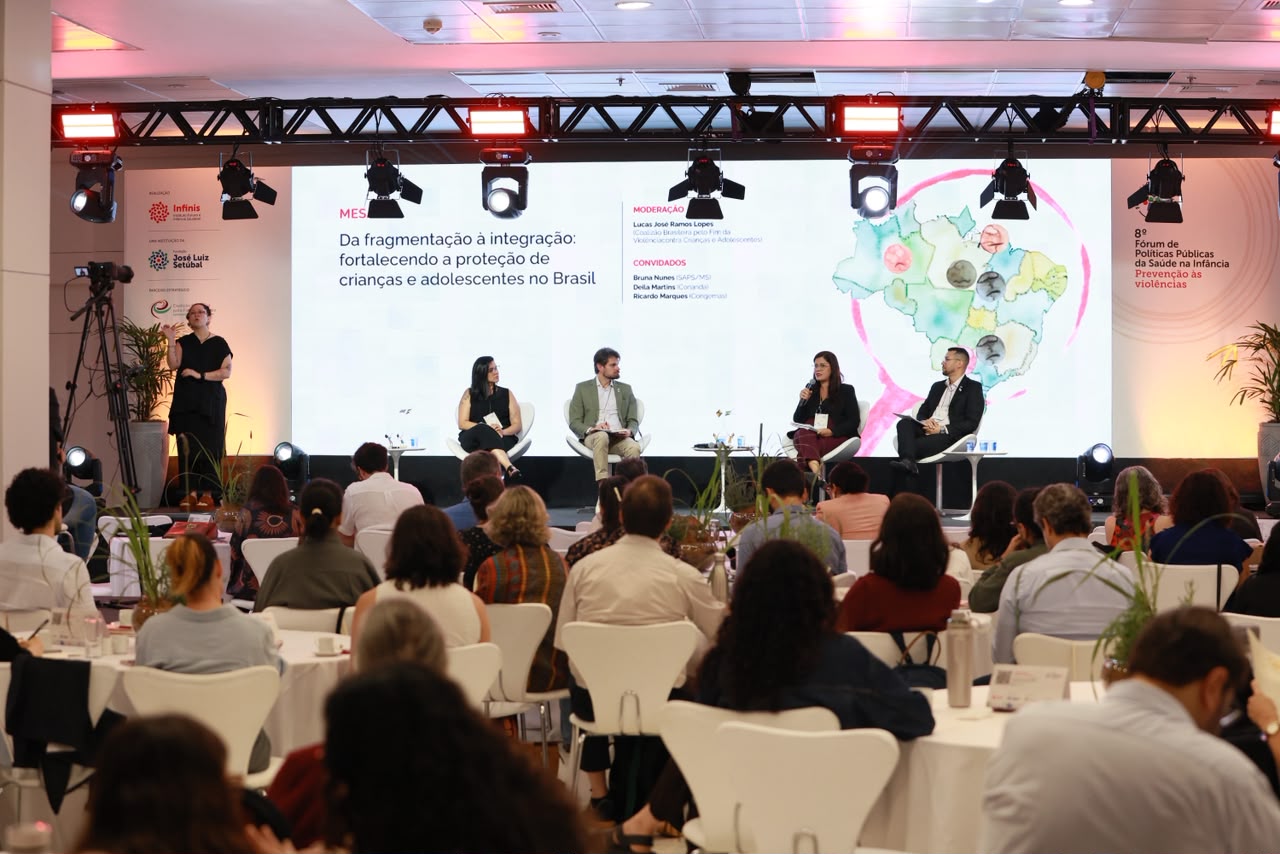
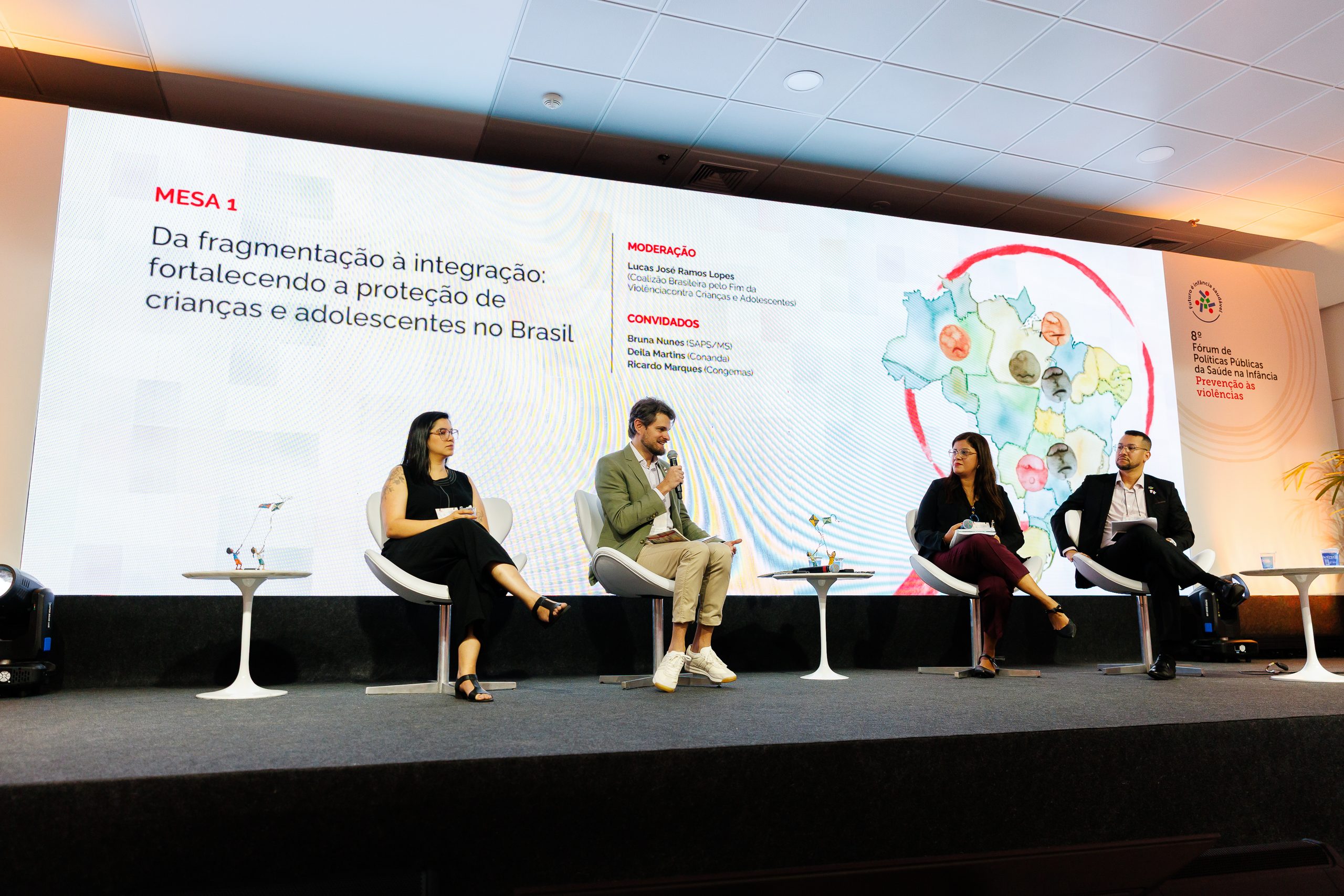
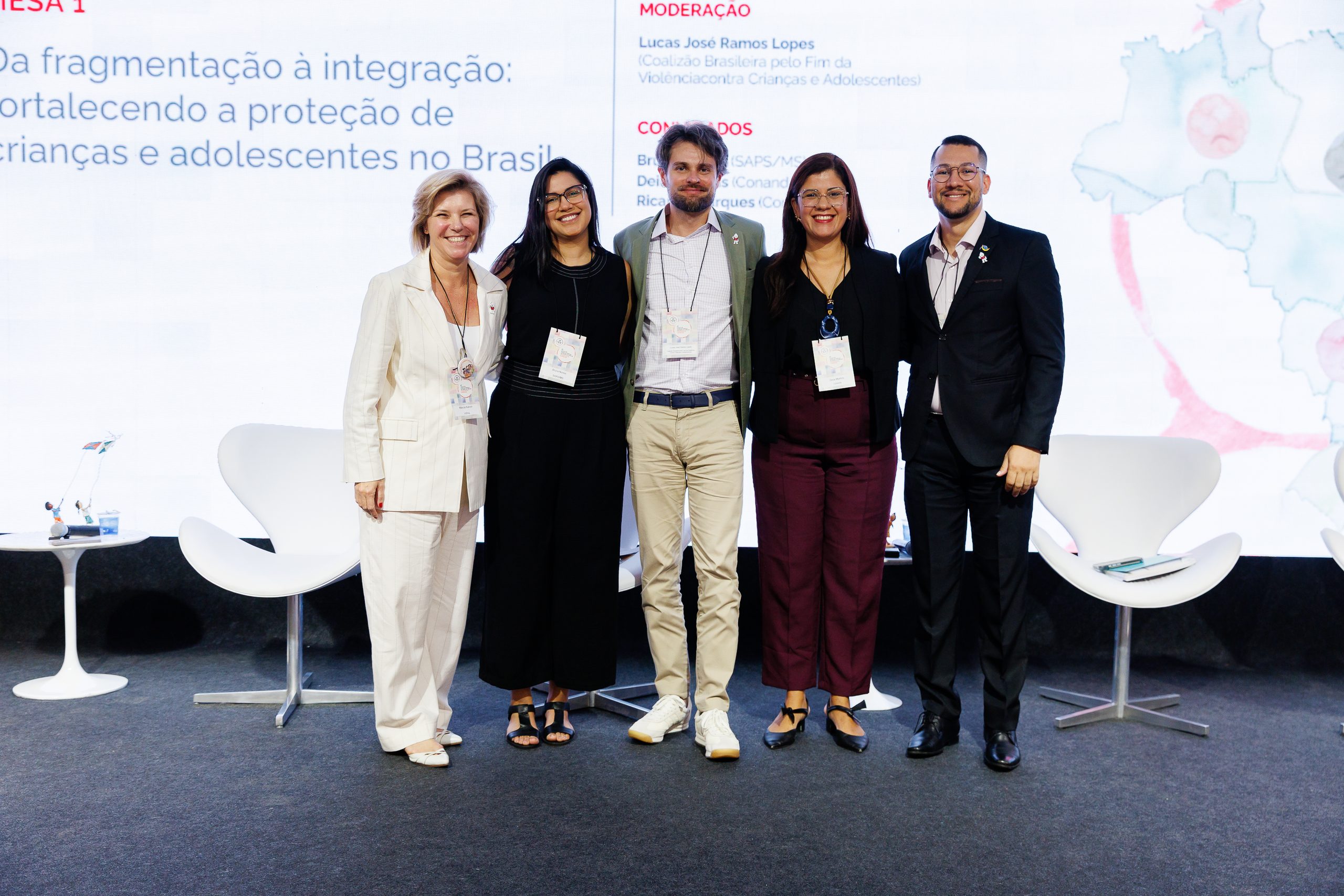
The panel “From fragmentation to integration: strengthening the protection of children and adolescents in Brazil” discussed how to expand the coordination, sustainability, and effectiveness of violence prevention and response actions. Moderated by Lucas José Ramos Lopes, executive secretary of the Brazilian Coalition for the End of Violence against Children and Adolescents, the conversation started from a diagnosis: the prevention field organized itself by type of violence, and this was reflected in the public sphere. The challenge, according to him, is to preserve institutional competencies and build a path toward greater integration. “The system does not operate as a system,” he summarized.
Bruna Nunes, Coordinator of Adolescent and Youth Health Care (COSAJ), linked to the General Coordination of Child, Adolescent, and Youth Health Care (CGCRIAJ) of the Department of Comprehensive Care Management (DGCI) of the Primary Health Care Secretariat (SAPS/MS), highlighted the reach of primary care, present in all Brazilian territories, as an entry point for identifying cases. “Since children rarely verbalize that they are suffering violence, care at UBS (Basic Health Units) can reveal signs and create a welcoming environment, without revictimization,” she said. She advocated for establishing protocols between levels of care and noted: “Services, in isolation, will not be able to respond to violence alone.”
Deila Martins, president of the National Council for the Rights of Children and Adolescents (Conanda), stated that Brazil has one of the most advanced legislations in the world in this area, but that there is still a gap between law and practice. For her, the central problem is fragmentation: health, social assistance, education, security, and human rights operate in their own logics, even though a child victim of violence goes through all these policies. “The major turning point in the monitoring process is having effective spaces for listening to children and adolescents in the construction of public policies,” she stated, and advocated for mapping risk factors to enable immediate action.
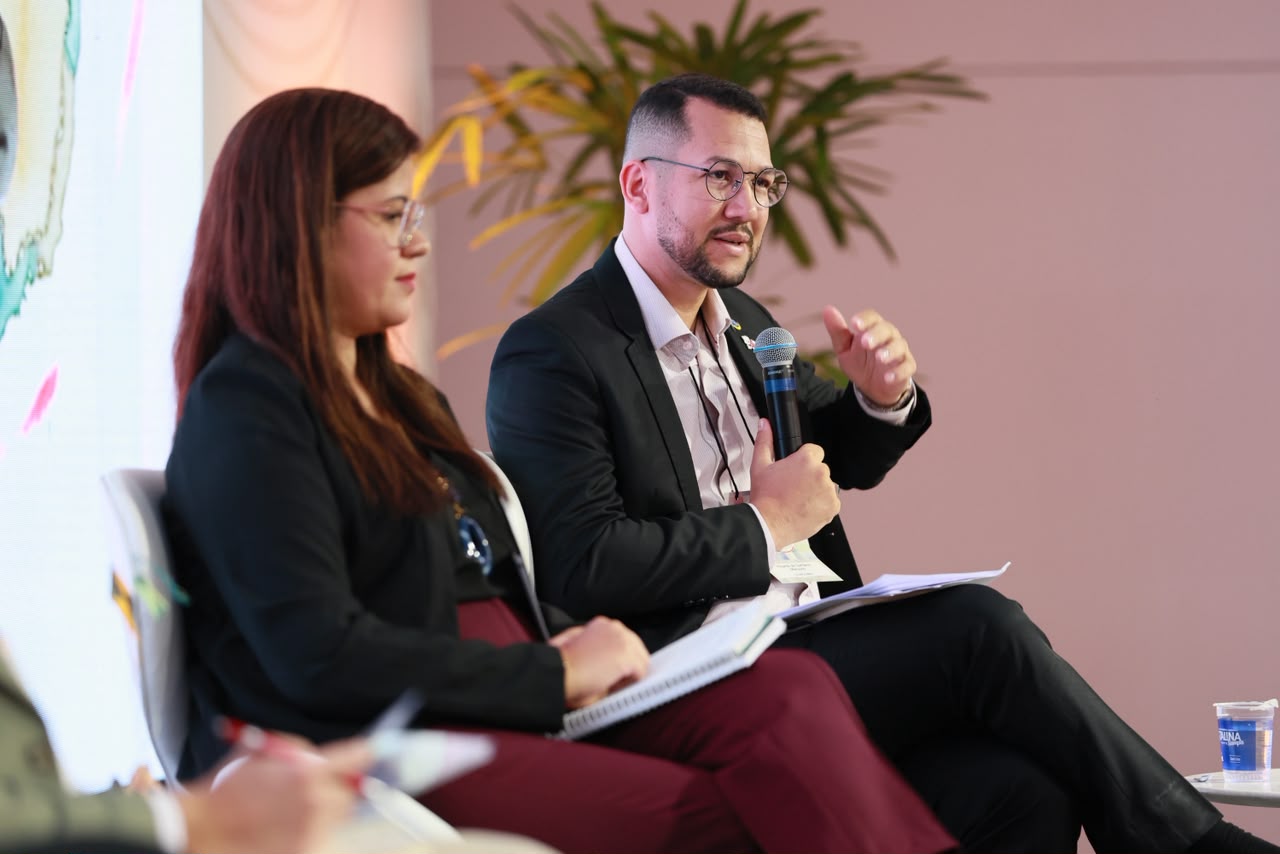
Ricardo Marques, President of the National Board of the National Collegiate of Municipal Social Assistance Managers (Congemas), advocated for shared governance. According to him, the fact that the Unified Social Assistance System (SUAS) coordinates the network does not make it responsible for solving all problems. Marques also stated that plans need to be adapted to the reality of each territory and advocated for reestablishing a federative pact. “Decentralizing services cannot decentralize responsibilities without transferring conditions; we need a federative pact so that responsibilities can be carried out,” he said.
What is the role of Health in combating violence?
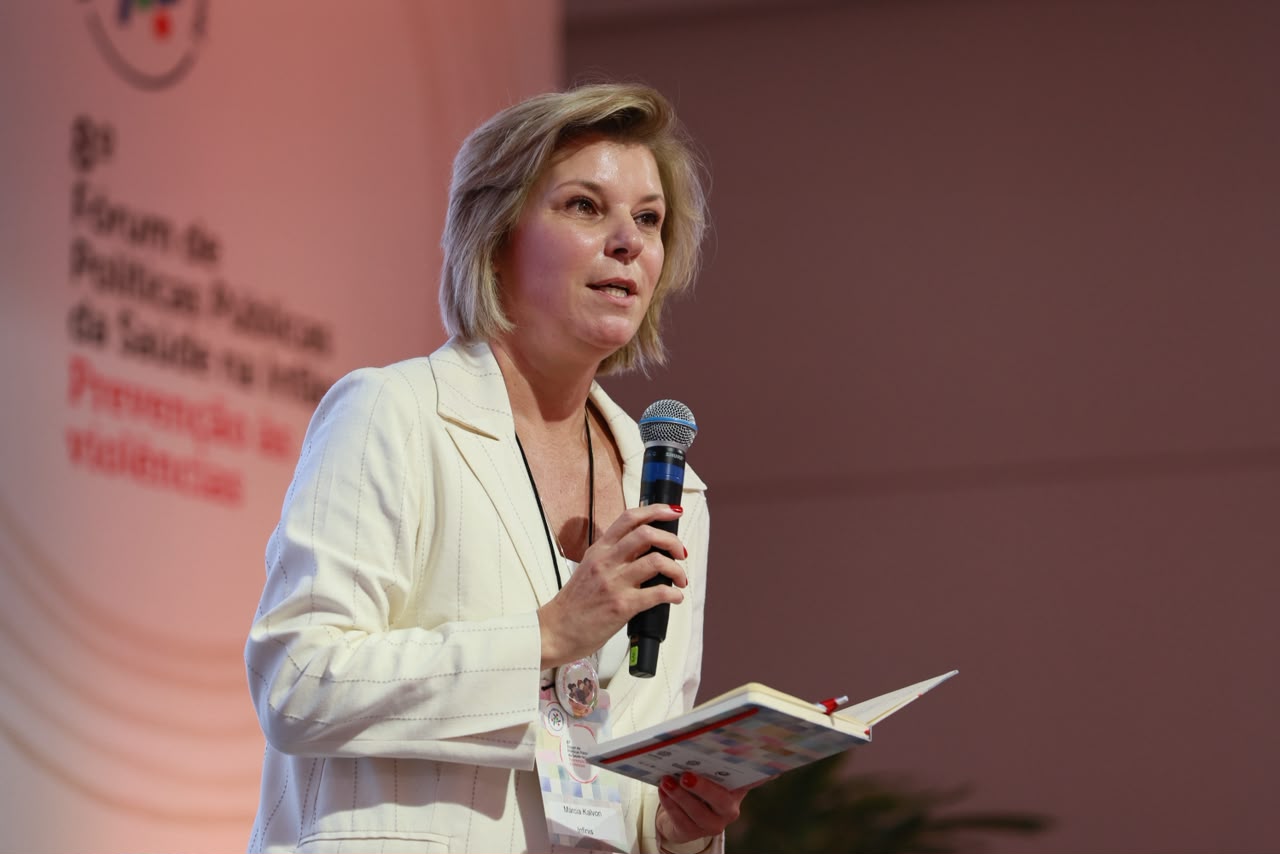
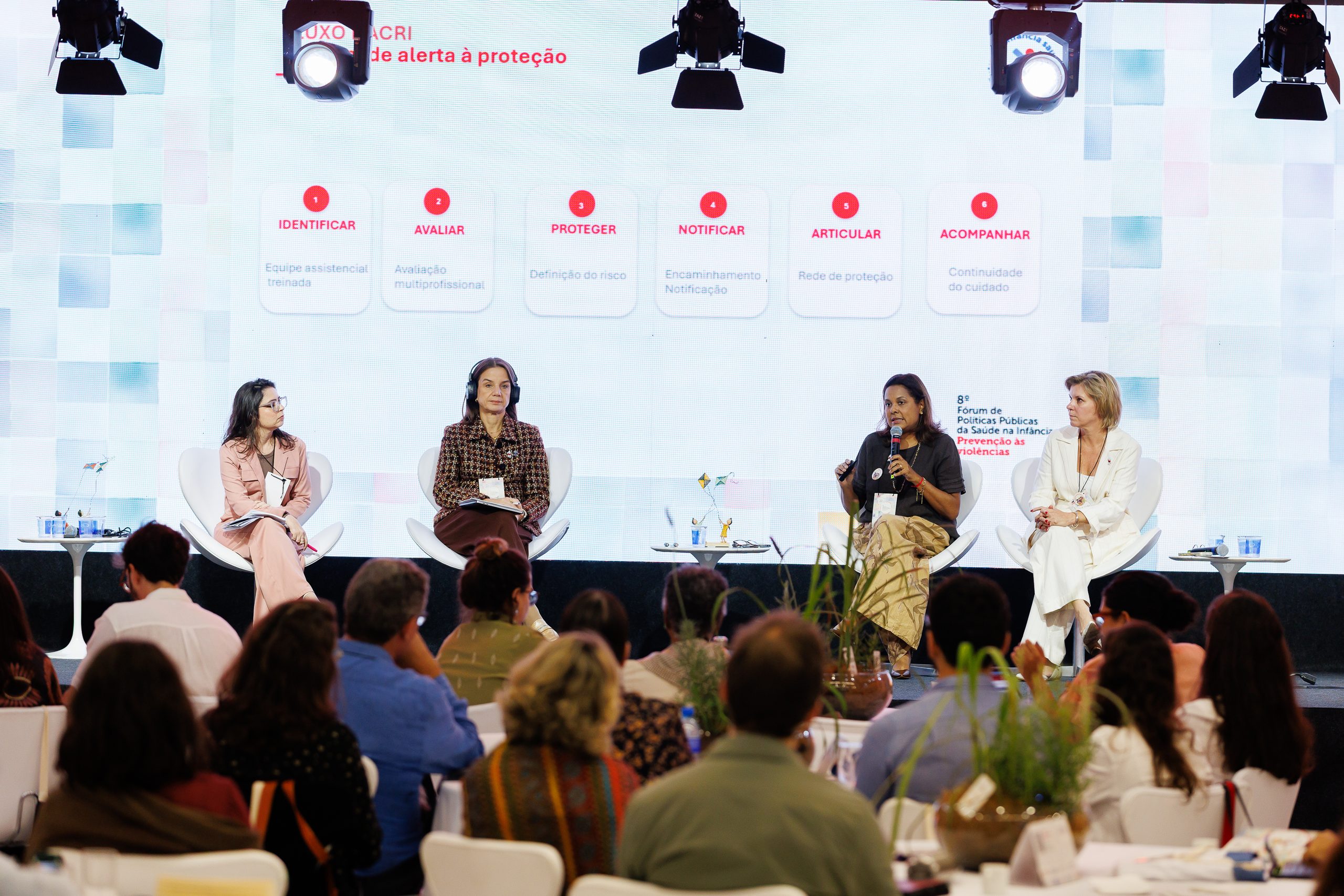
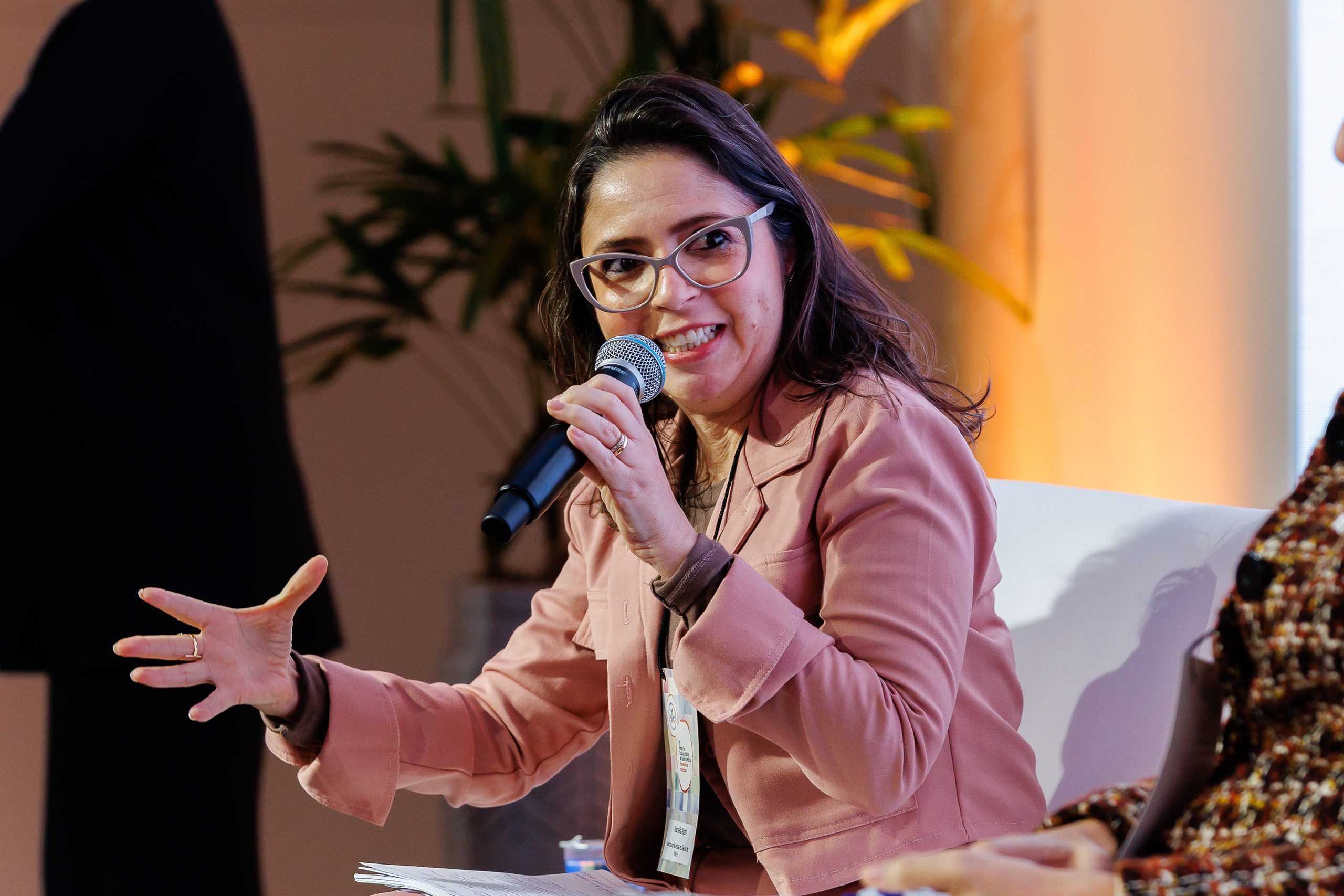
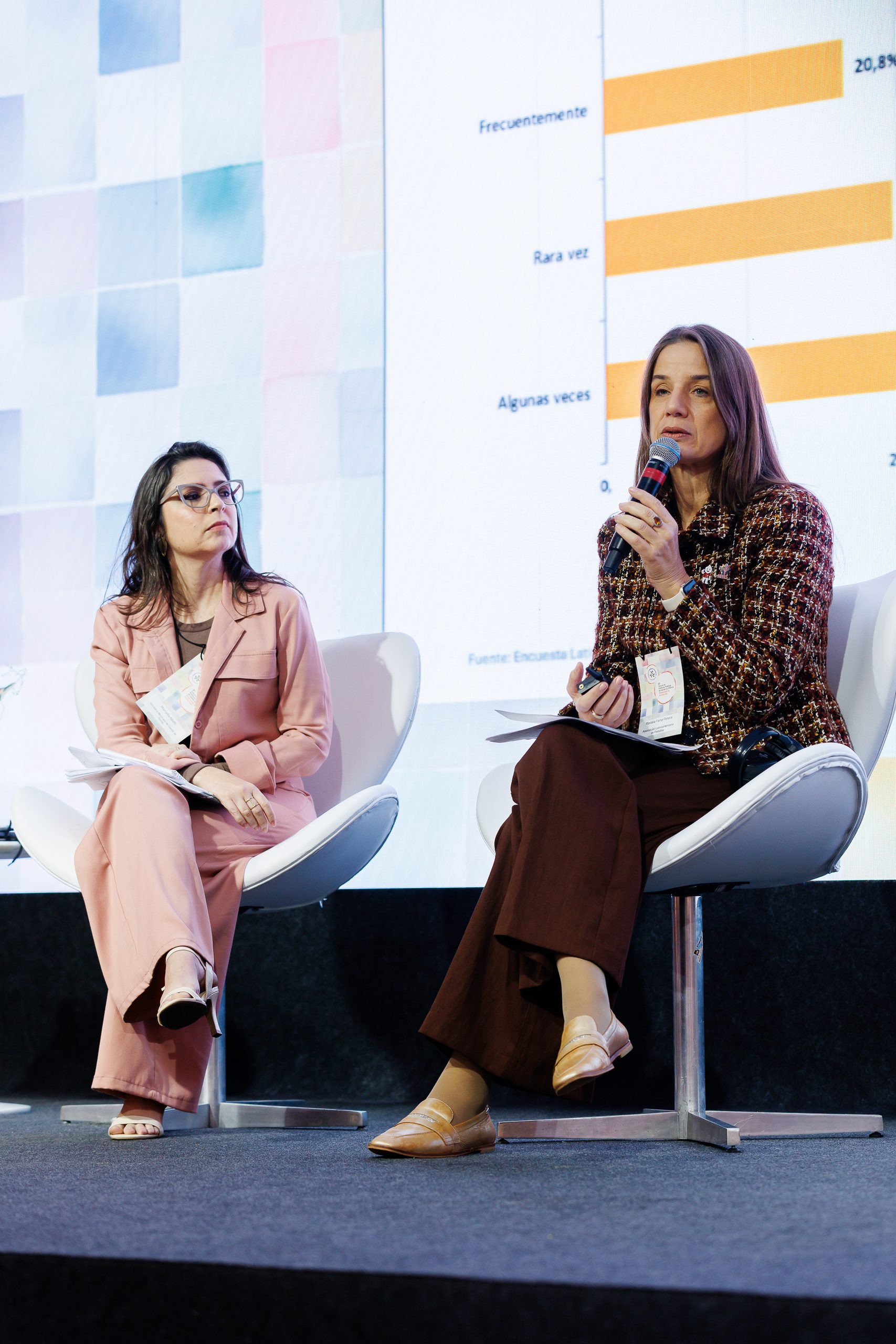
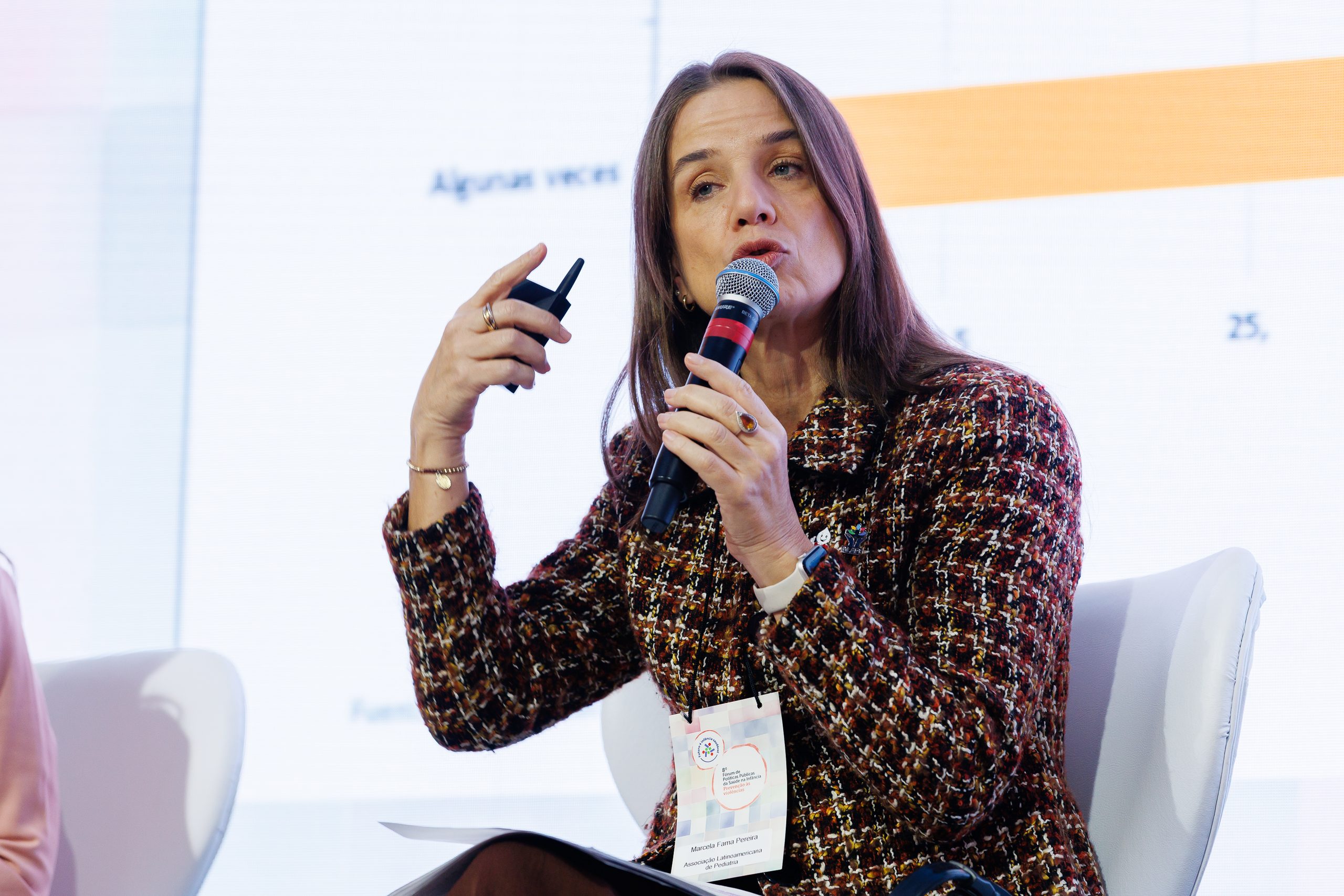
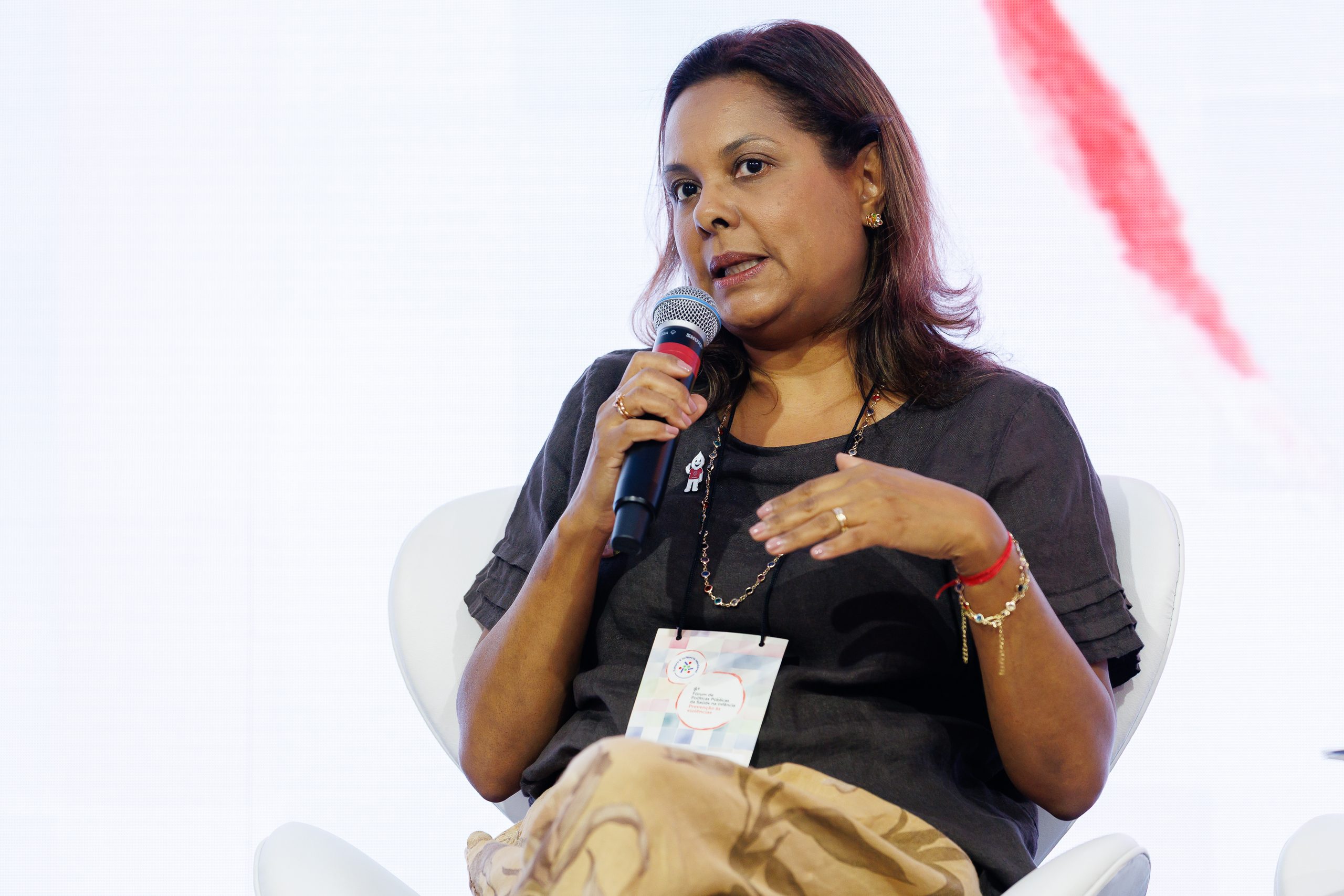
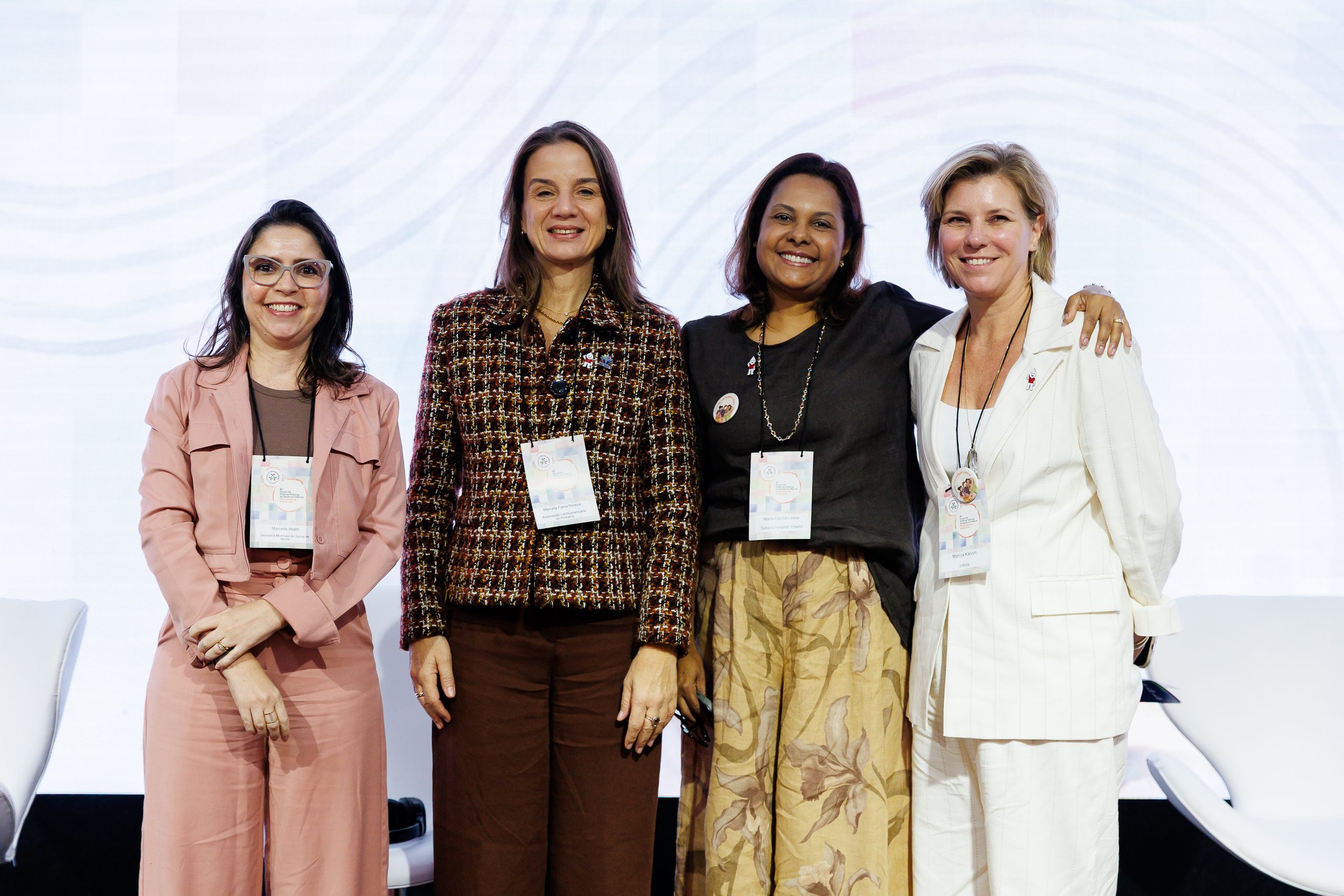
The panel “The role of Health in the prevention and response to violence against children and adolescents” discussed the sector’s role in prevention, identification, and response to cases, including protocols, qualified use of data, and the potential of artificial intelligence to support decision-making. The moderation was by Márcia Kalvon, executive director of Infinis.
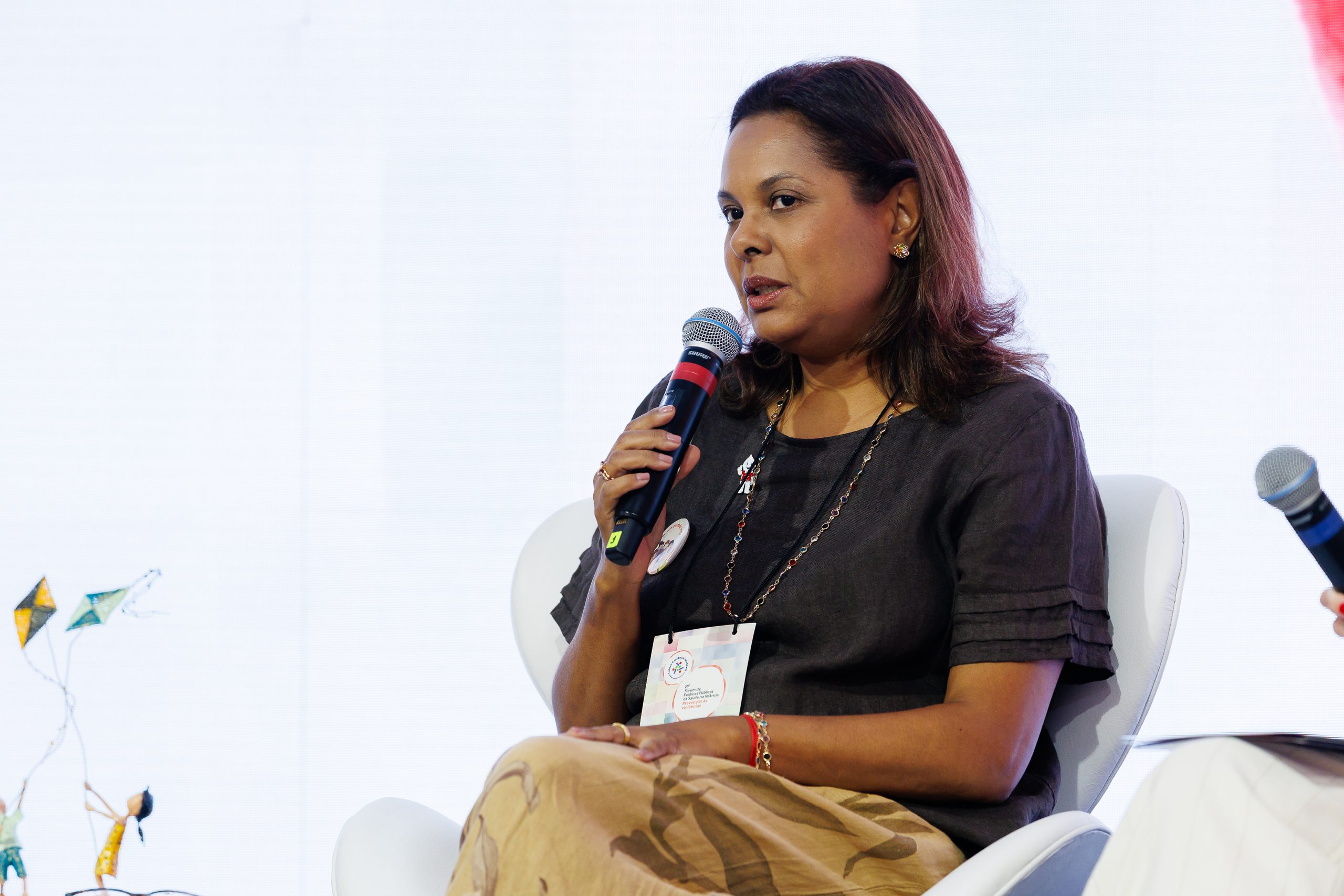
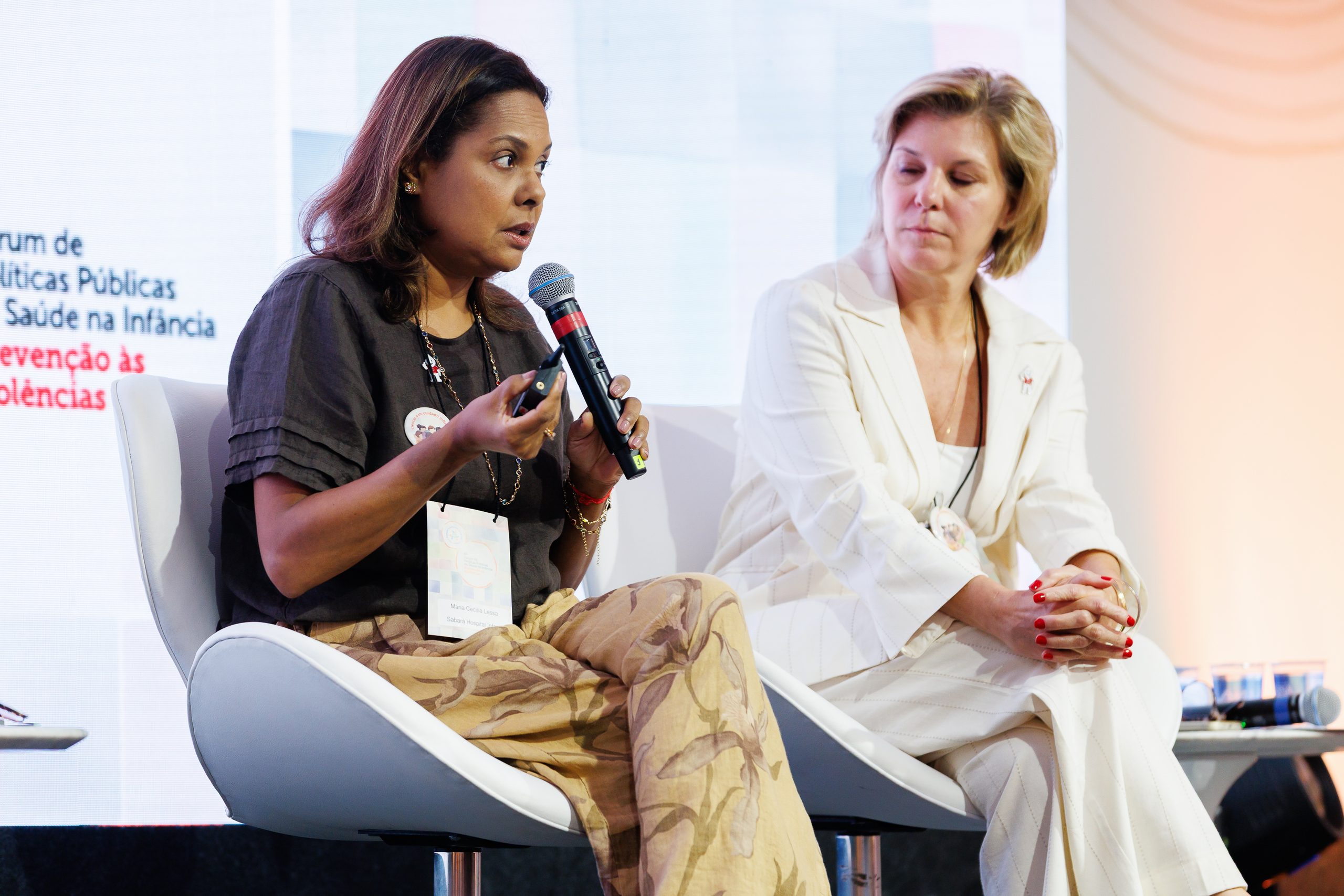
Maria Cecília Lessa, pediatrician and coordinator of the Center for Care of Child and Adolescent Victims of Violence (NACRI) at Sabará Children’s Hospital, presented the center’s work, which ranges from identifying indicators of violence to assessing and defining risk, including referral, protection, and follow-up. “Protection is carried out in a network with Basic Health Units (UBS), schools, Social Assistance Reference Center (CRAS) and Specialized Social Assistance Reference Center (CREAS), Public Prosecutor’s Office, Childhood and Youth Court, and Guardianship Council,” she explained. She observed that in child health, it is common for families to migrate between services, which makes monitoring risk situations difficult, and advocated for integration in which notification can be monitored by different sectors without exposing sensitive data.
Marcella Abath, Executive Secretary of Health Surveillance at the Recife Health Secretariat (SESAU/Recife), recalled the mandatory nature of notification: “Any health service, public or private, must report cases of suspected sexual violence or suicide attempts.”
Marcela Fama Pereira, president of the Latin American Pediatric Association (ALAPE), emphasized that the reality of a hospital like Sabará does not represent that of Latin America. The association she participates in conducted a survey among pediatricians on perception, practices, and knowledge of child maltreatment and mental health, which showed that most respondents consider it more difficult to recognize psychological maltreatment. According to her, it is necessary to expand training for recognizing indicators and risk factors, without concentrating focus solely on pediatricians: “What matters is knowing whether the entire system is integrated and ready for a response.” Marcela, who is Colombian, pointed out that problems of intersectorality and response protocols are also present in other countries in the region.
Experiences that are working
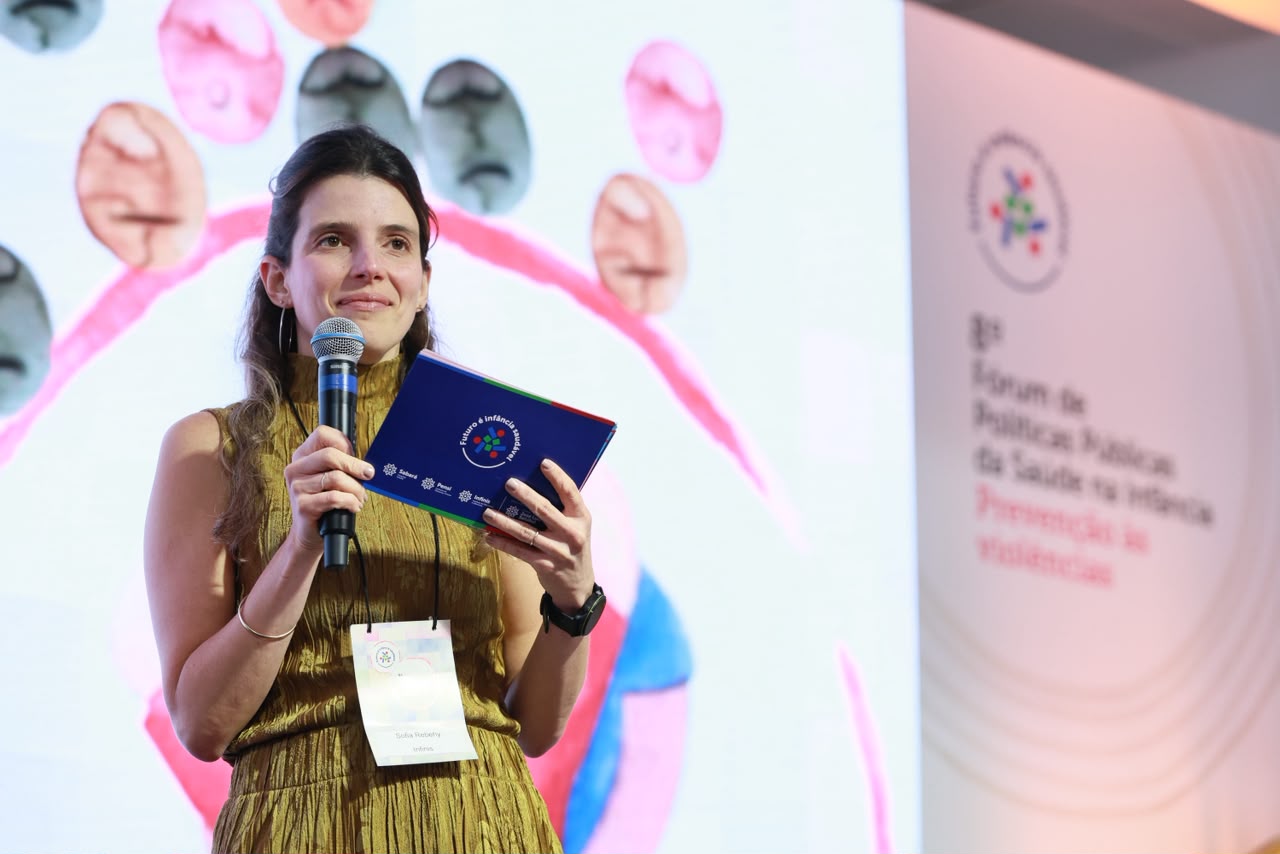
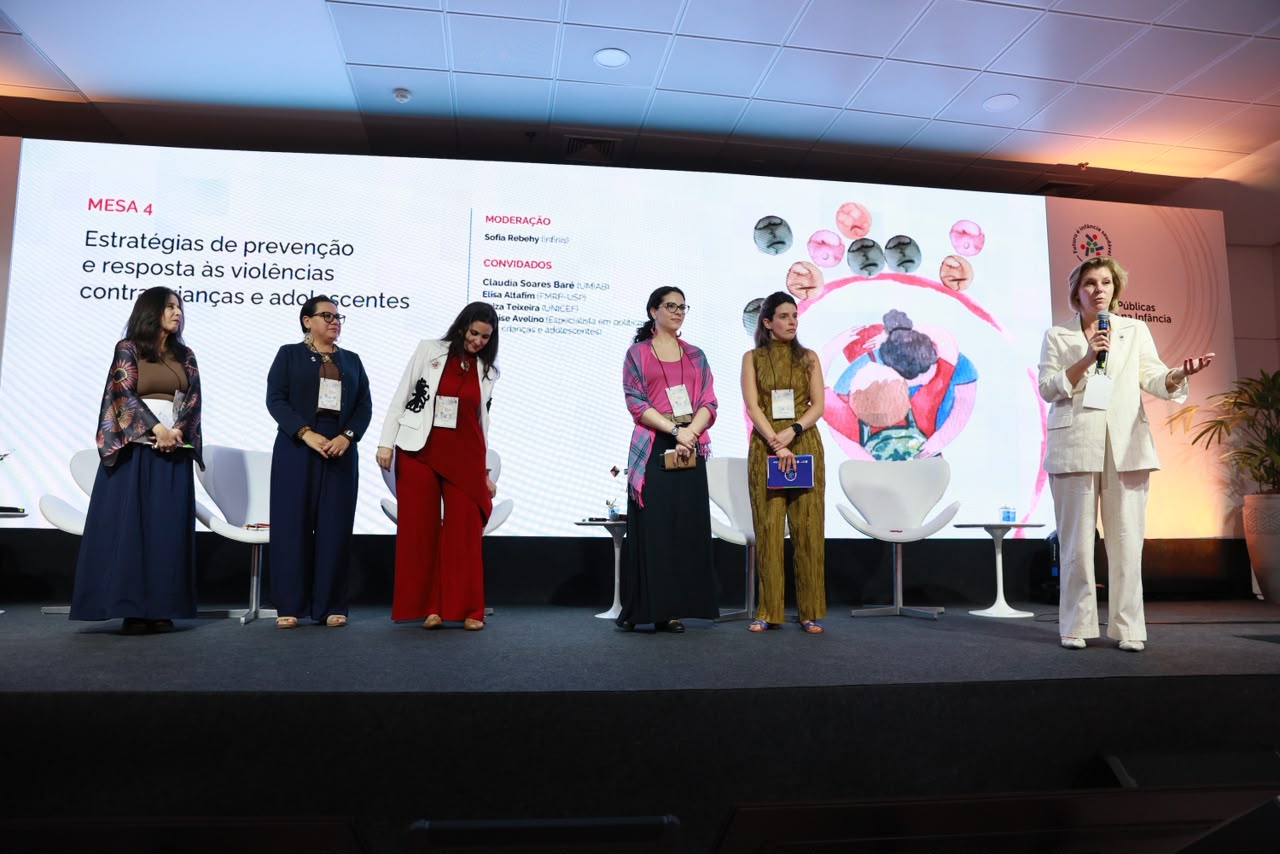
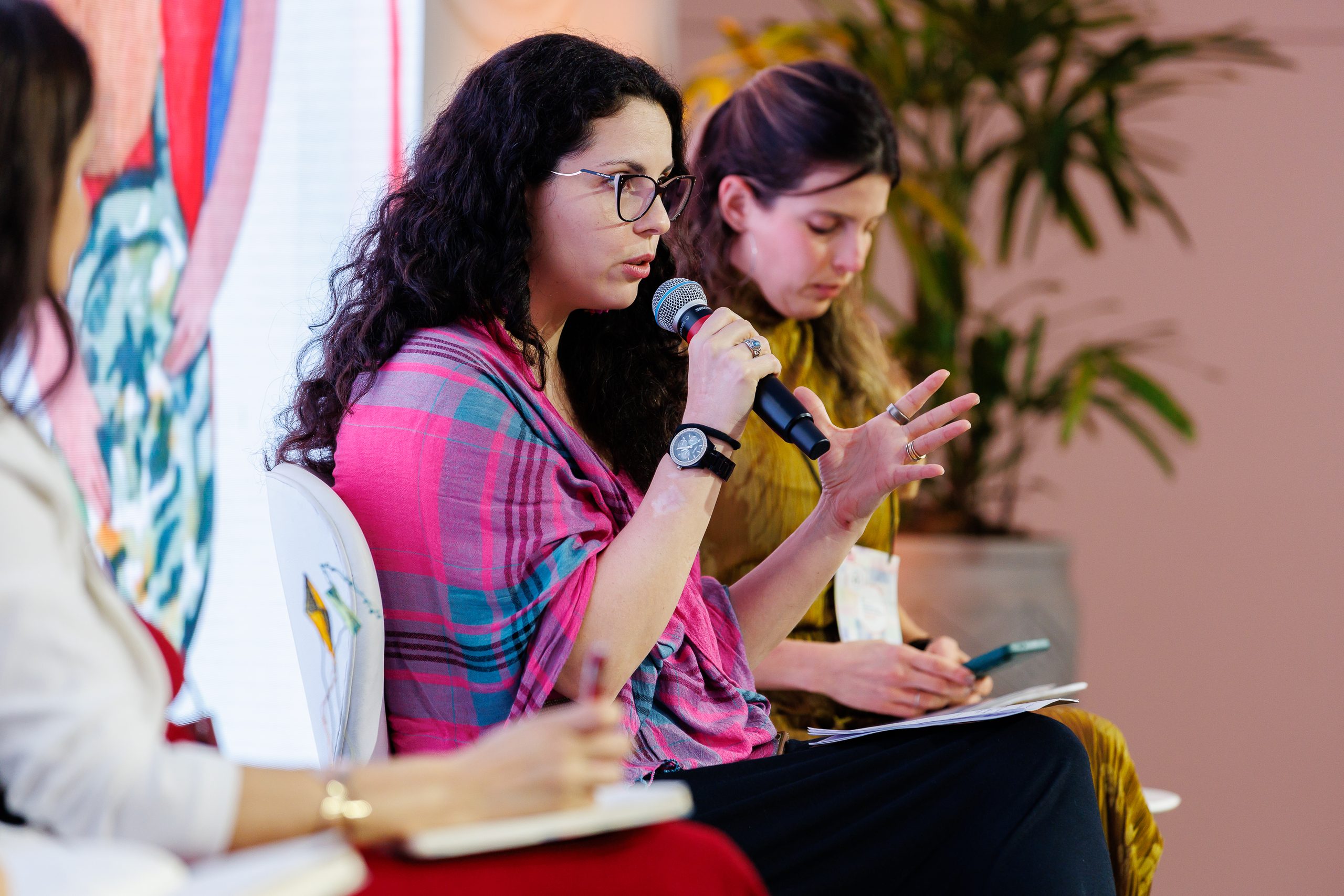
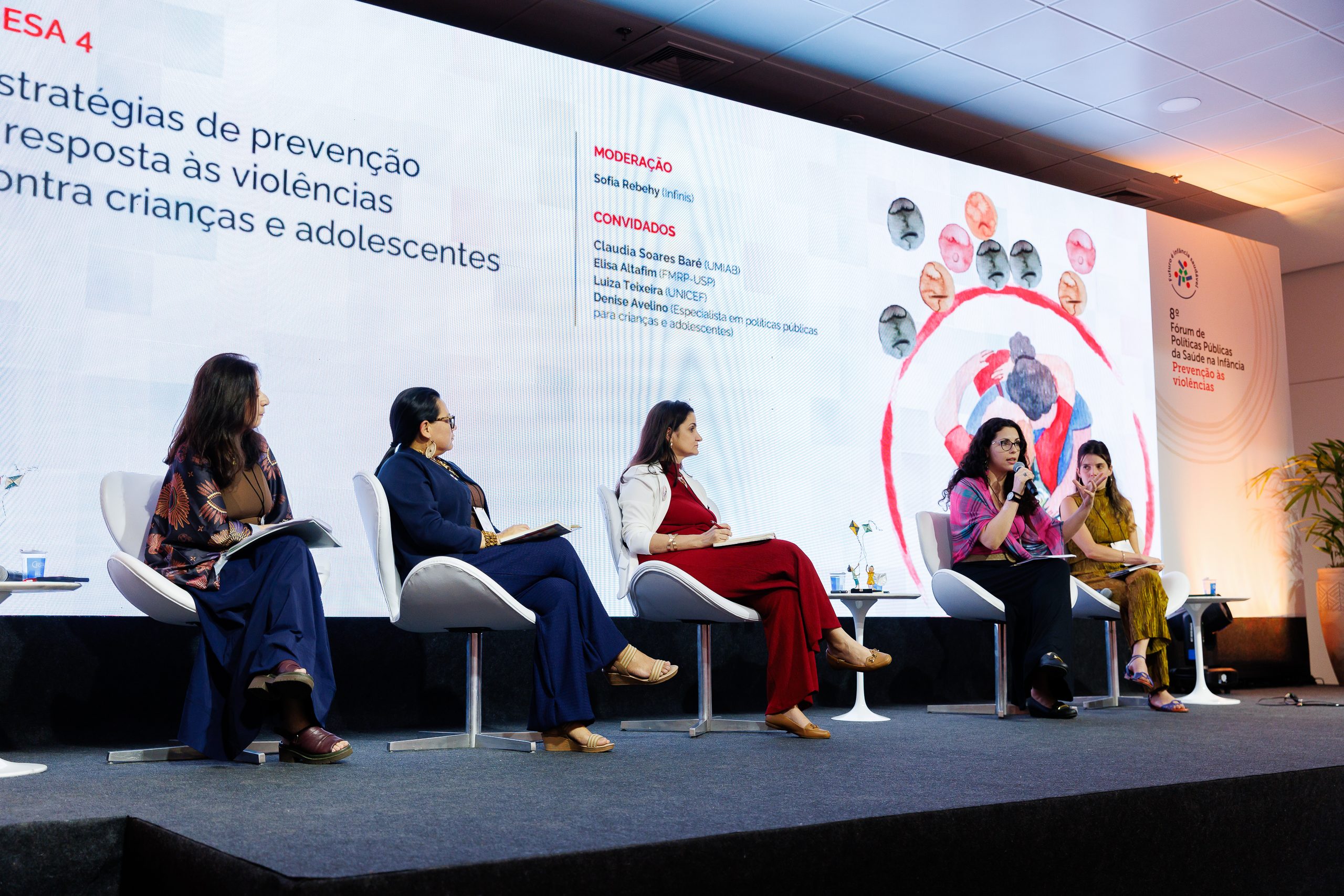
Closing the program, the panel “Strategies for prevention and response to violence against children and adolescents” presented evidence-based experiences developed in different territories, with emphasis on intersectoral coordination and strengthening local protection networks. The moderation was by Sofia Rebehy, Project and Program Coordinator at Infinis.
Denise Avelino, specialist in public policies for children and adolescents, spoke about the Program for the Protection of Children and Adolescents Threatened with Death (PPCAAM), a nationwide program whose trajectory began in 2003 and which primarily serves Black and mixed-race children and adolescents. “When a child or adolescent is under threat of death, it means they have already gone through various forms of violence; it is the limit of social neglect,” she stated.
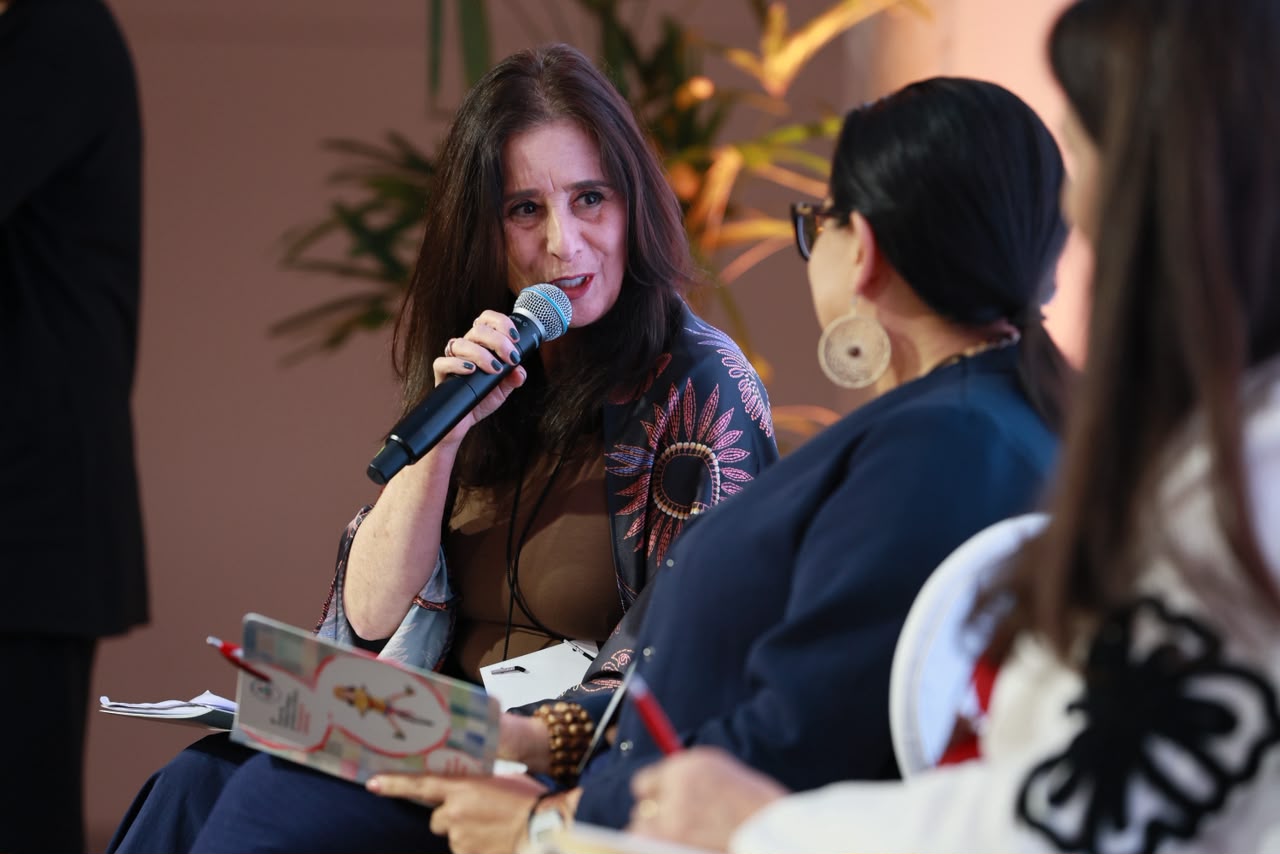
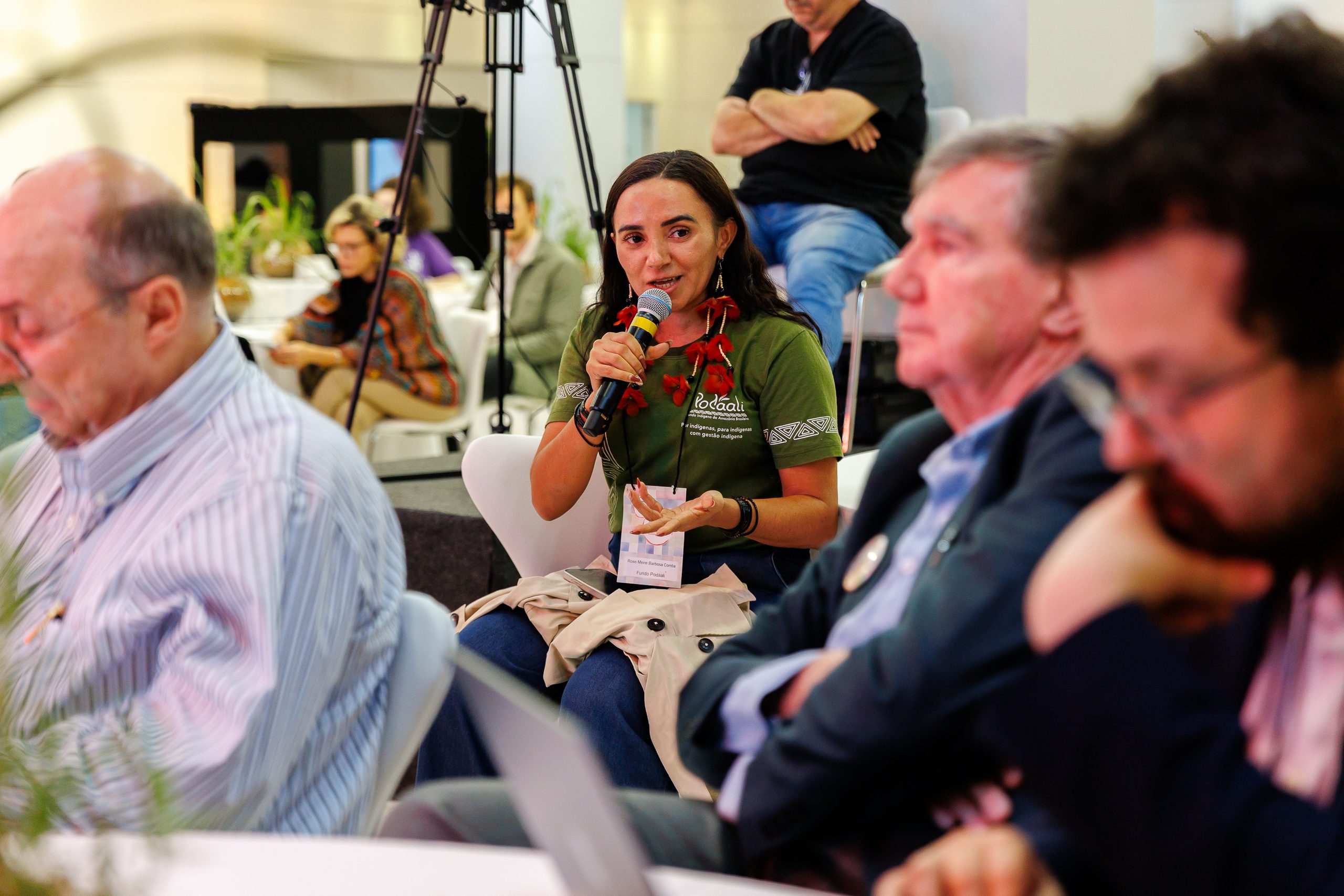
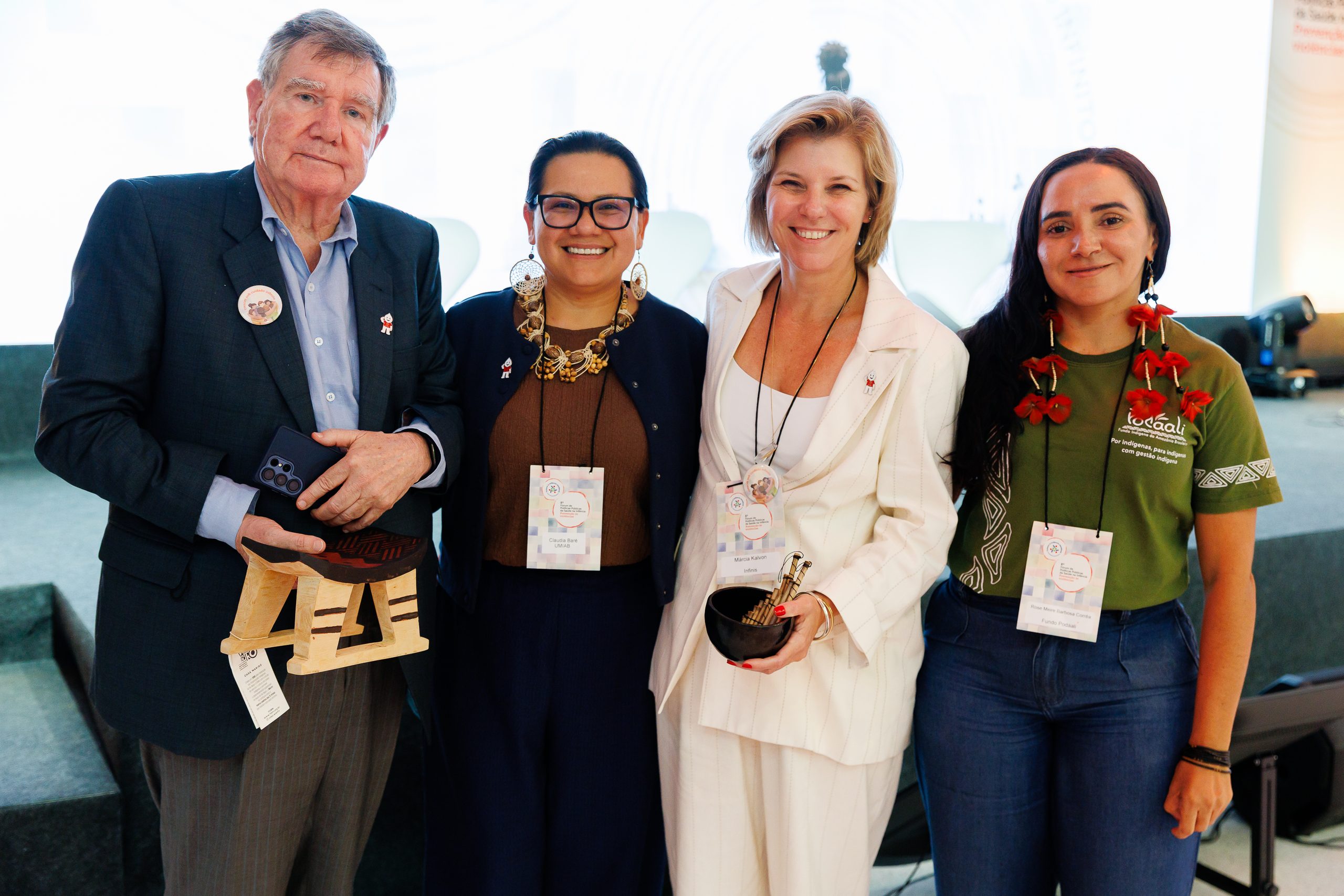
Claudia Soares Baré, indigenous woman of the Baré people from Alto Rio Negro (Amazonas), sociologist and coordinator of the Indigenous Networks of the Amazon Project at the Union of Indigenous Women of the Brazilian Amazon (UMIAB), emphasized that women’s work is fundamental in protecting minors, but that the State cannot leave all responsibility on them, as it is the State’s duty to guarantee access and protection. She also noted that the concept of care varies among indigenous areas and territories, and cited the partnership between Infinis and Podáali – Indigenous Fund of the Brazilian Amazon. “Public policies need to listen to the territories themselves, whether they are indigenous or peripheral,” she said. “For us, women are the protectors of children and adolescents, and any action aimed at protecting them must begin with women.”
Elisa Altafim, professor and advisor in the Mental Health Graduate Program at the Ribeirão Preto Medical School of the University of São Paulo (FMRP-USP), presented a study on the implementation of ACT (Adults and Children Together) – Raising Safe Kids, a parenting program cited by WHO and INSPIRE, in Ceará. Through a partnership with the state government, which maintains income transfer for early childhood, the program was offered to families of lower socioeconomic status served at CRAS and CREAS, in what she described as the largest study of its kind in the world.
Luiza Teixeira, child and adolescent protection specialist at the United Nations Children’s Fund (UNICEF Brasil), explained that INSPIRE is based on a UNICEF model and presented the Education that Protects initiative, an organizational strategy aimed at transforming schools into safe environments that are active in preventing and confronting all forms of violence against children and adolescents.









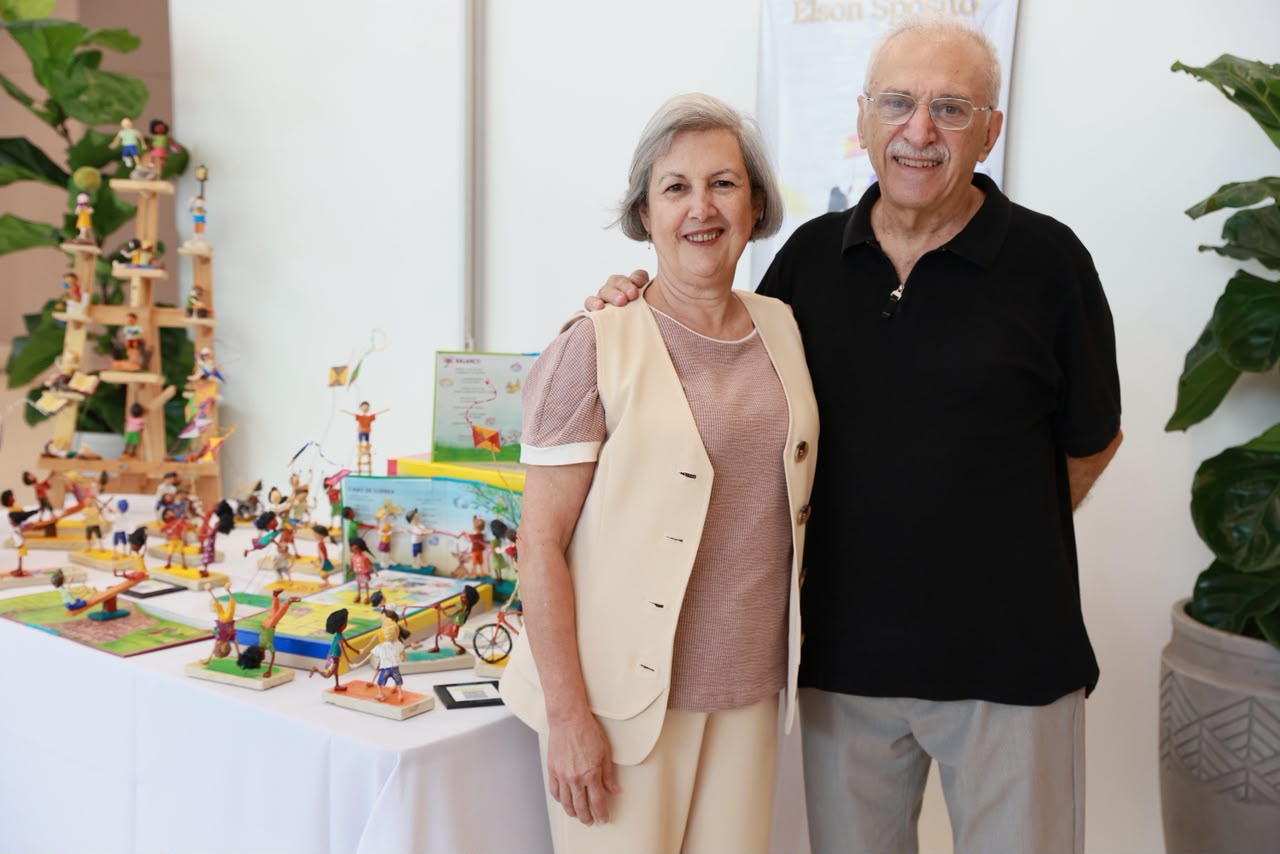
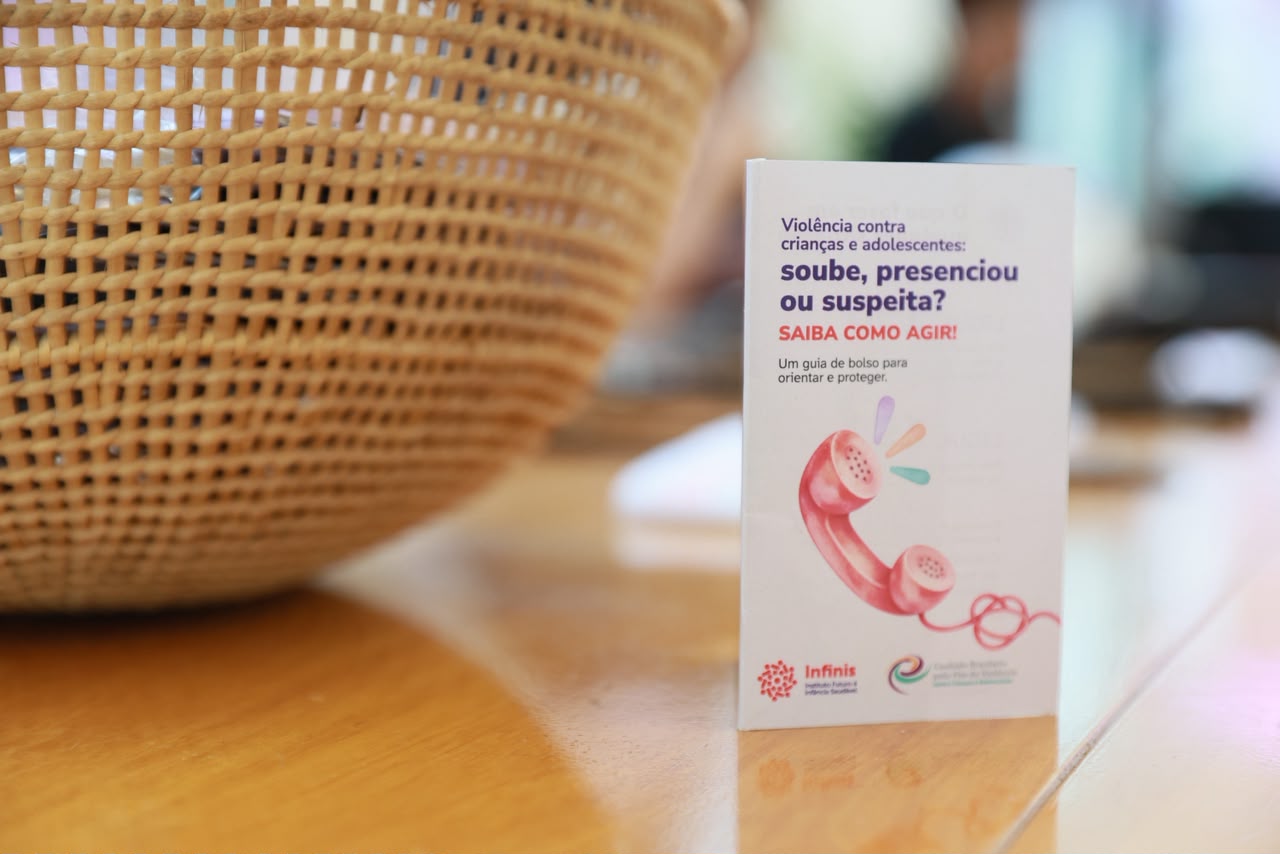

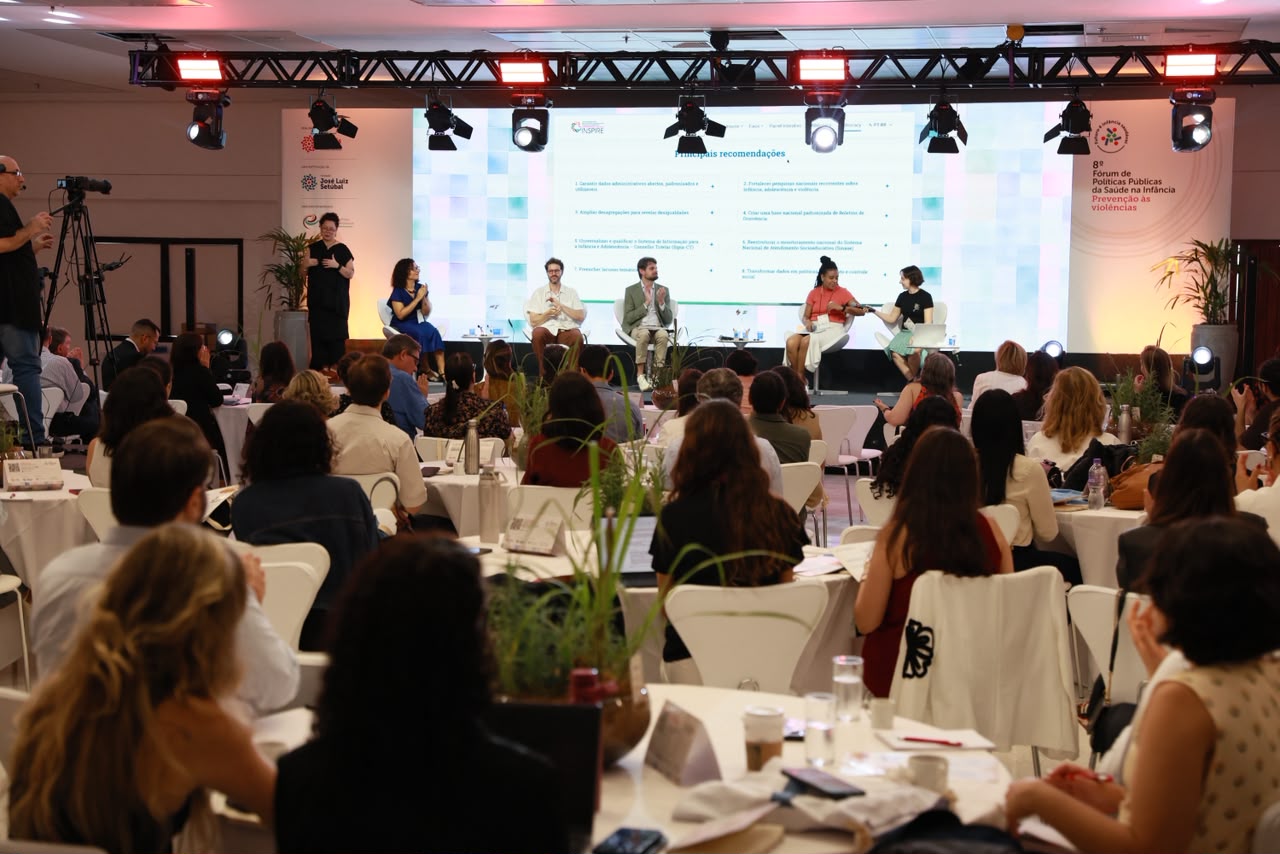
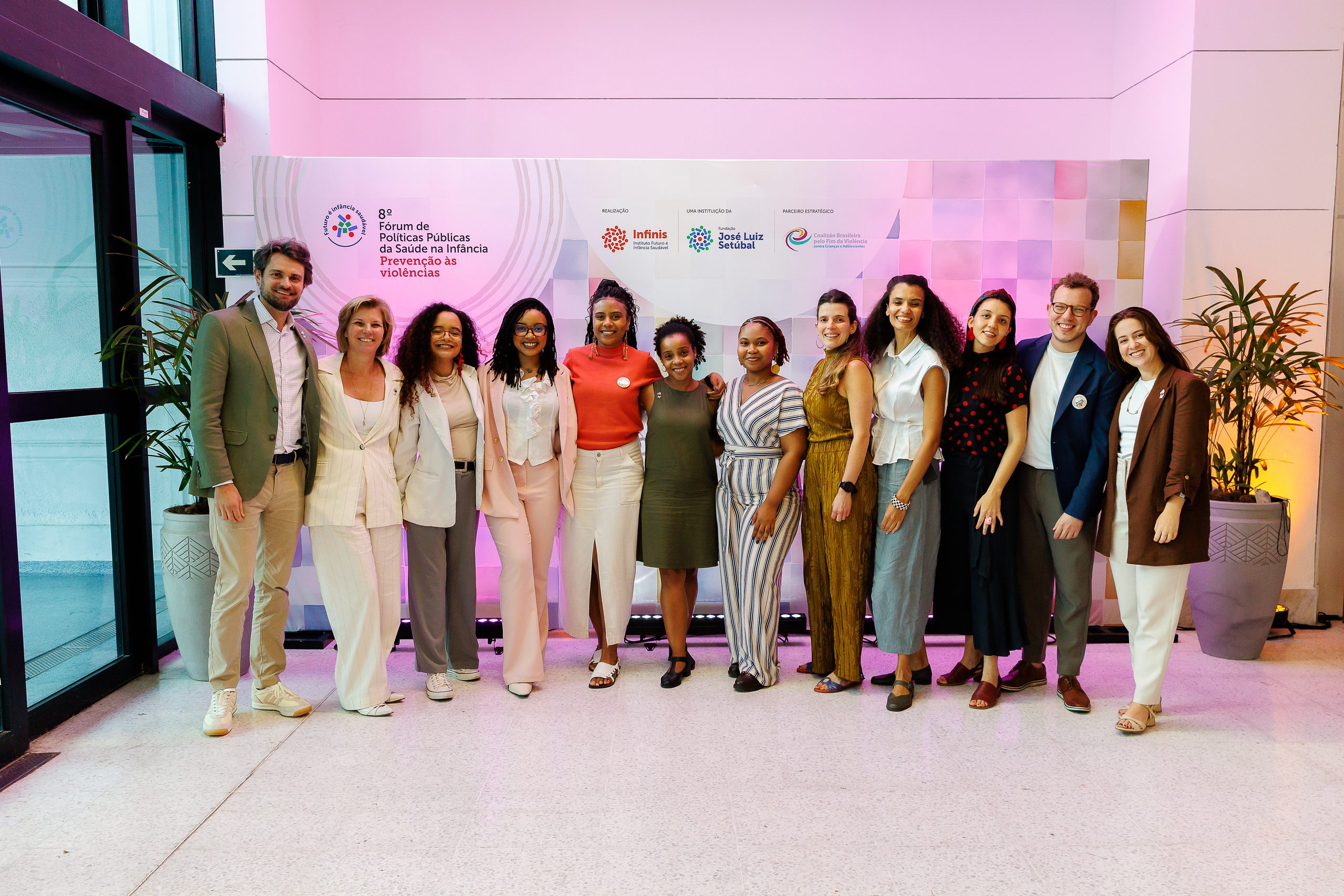











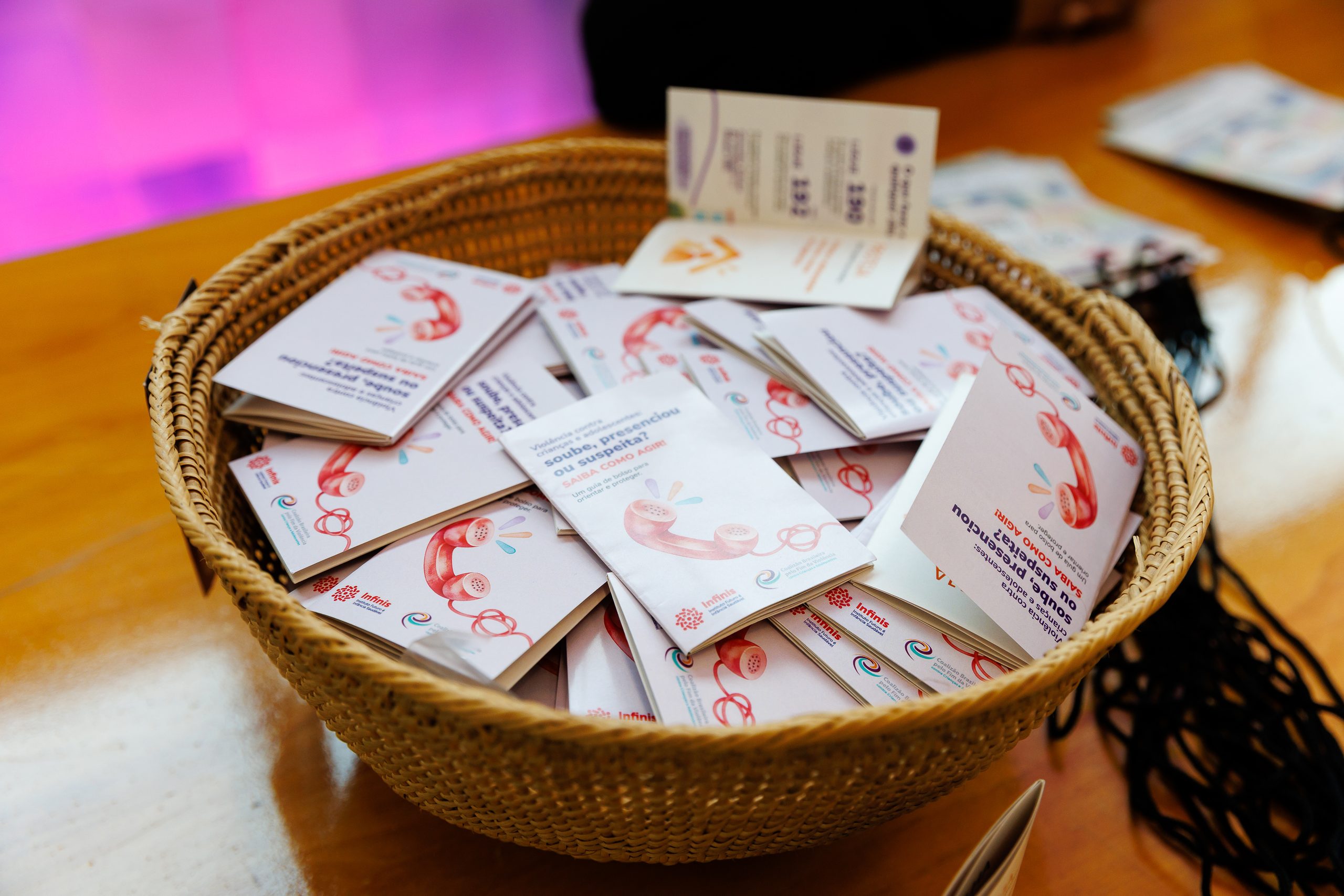
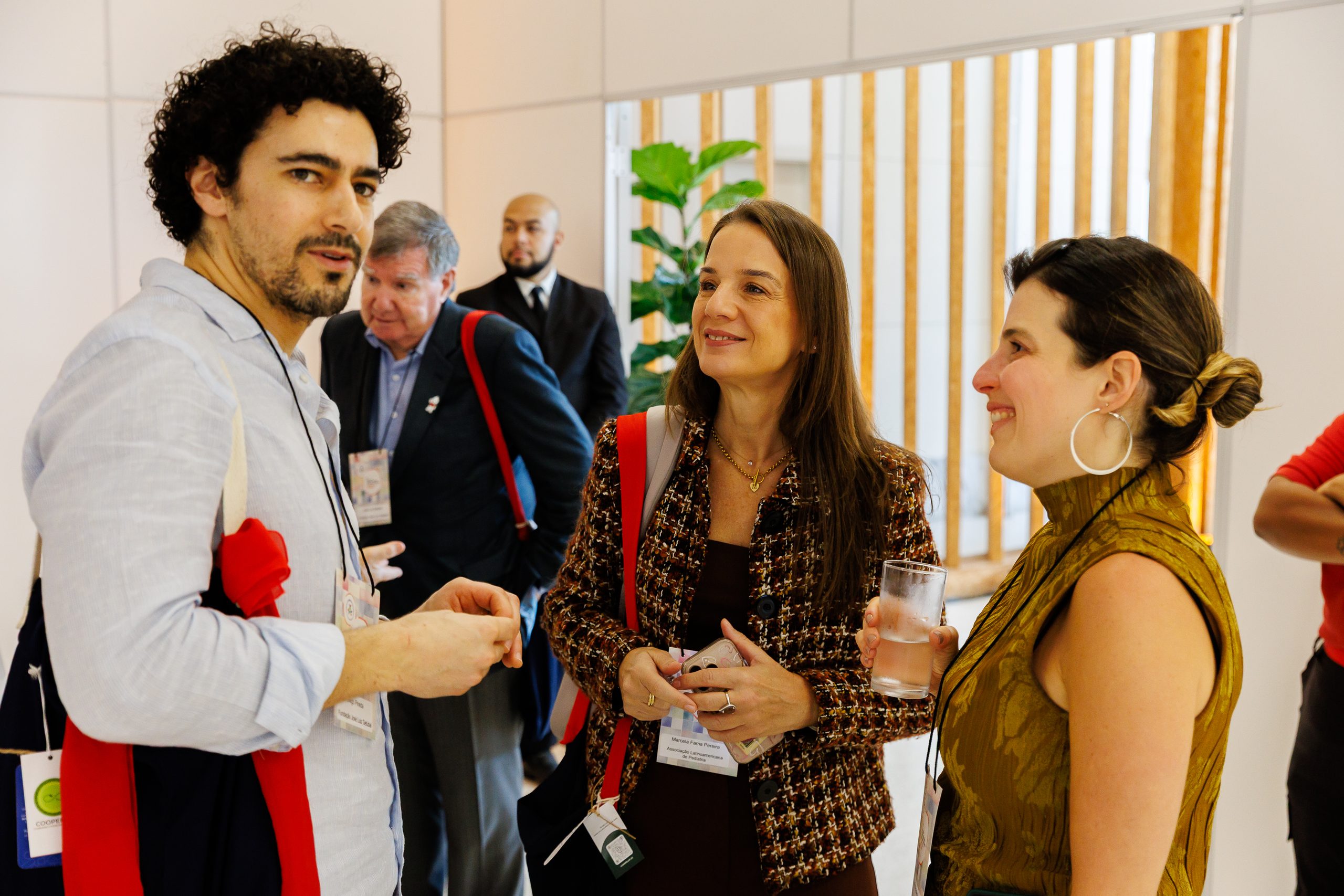
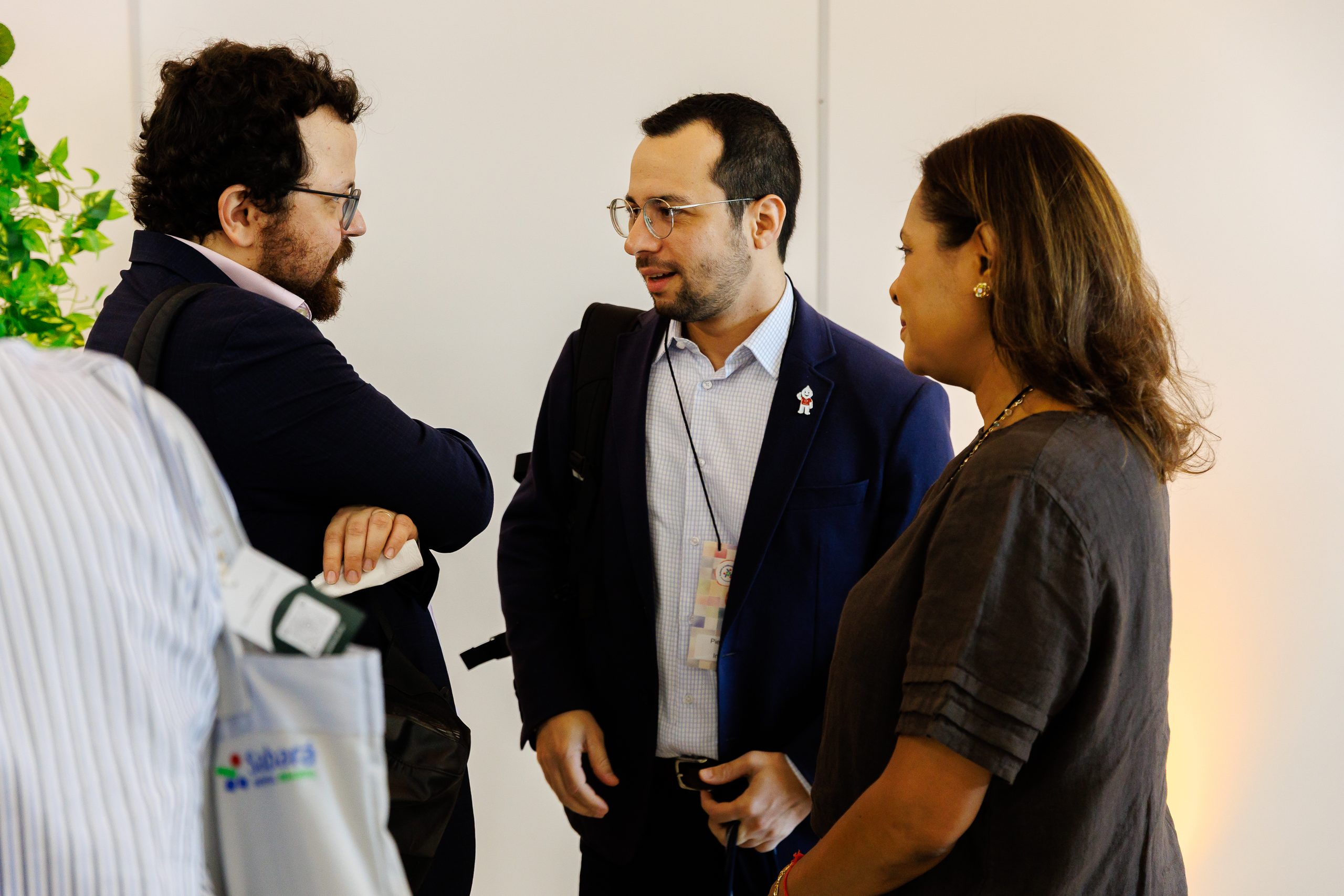


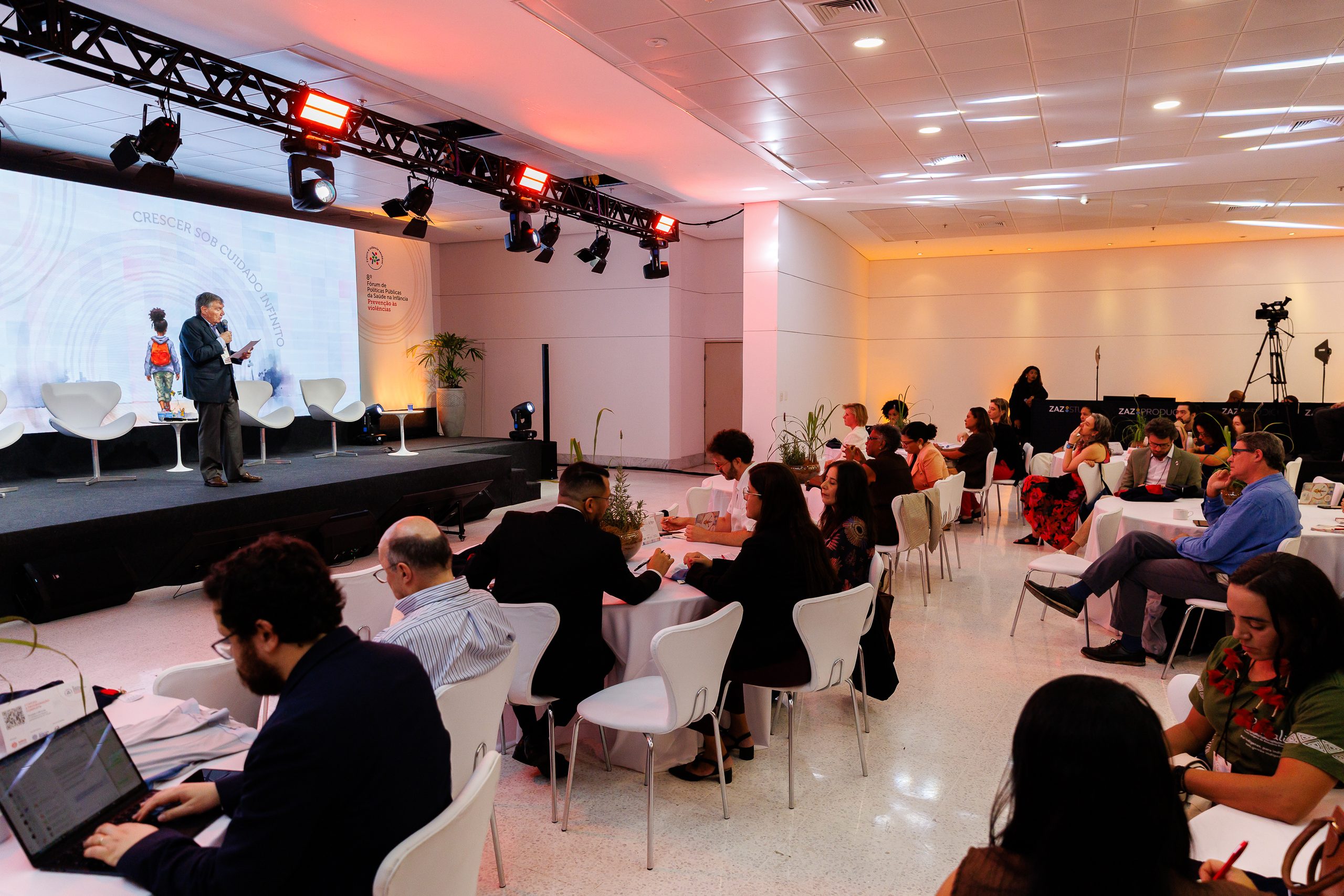












Photos: Fabio Lolli
Watch the full recording of the event on our YouTube channel!
About the Public Health Policies Forum for Childhood
The Public Health Policies Forum for Childhood – FPPSI is an initiative of Instituto Futuro é Infância Saudável. The meeting promotes debate on public policies for children and adolescents based on the Foundation’s priority areas and, in its 8th edition, is established as a space for discussion on challenges and pathways for promoting the health of children and adolescents in Brazil.